
The best iced coffee maker depends on your brewing preference. Cold brew makers like the OXO Cold Brew Coffee Maker produce smooth, concentrated coffee over 12-24 hours, while iced coffee makers like the Ninja Hot and Cold Brewed System brew hot coffee directly over ice in 10-15 minutes. Cold brew offers less acidity and more concentrated flavor, while iced coffee provides faster preparation with brighter, more acidic taste profiles.
Choosing the right cold beverage coffee maker can transform your summer coffee routine. Understanding the differences between cold brew and iced coffee helps you select equipment that matches your taste preferences and schedule.
| Photo | Popular Coffee Makers | Price |
|---|---|---|
|
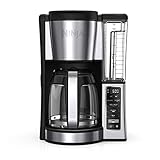
Ninja Fresh Brew Coffee Maker, 12 Cup Glass Carafe, Stainless Steel, CE251 | Programmable, Classic & Rich brew, 70-oz. Removable Water Reservoir, Small Batch, 24-hr Delay Brew, Adjustable Warming Plate | Check Price On Amazon |

|
Hamilton Beach 2-Way Programmable Coffee Maker & Single Serve Coffee Maker | 12 Cup Glass Carafe | Black with Stainless Steel Accents | 49980RG | Check Price On Amazon |

|
Keurig K-Elite Single Serve K-Cup Pod Coffee Maker, Brushed Slate | Strength and Temperature Control, Iced Coffee Capability, 8 to 12oz Brew Size, Programmable | Check Price On Amazon |

|
KRUPS Simply Brew Compact 5 Cup Coffee Maker: Stainless Steel Design, Pause & Brew, Keep Warm, Reusable Filter, Drip-Free Carafe | Check Price On Amazon |

|
Ninja Luxe Café Premier 3-in-1 Espresso Machine, Drip Coffee, & Cold Brew | Built-in Grinder, Hands-Free Milk Frother, and Assisted Tamper for Cappuccinos & Lattes, Stainless Steel, ES601 | Check Price On Amazon |
This guide covers the top iced coffee makers, explains cold brew versus iced coffee differences, and provides expert recommendations for achieving cafe-quality results at home.
What Are the Best Iced Coffee Makers
The best iced coffee makers fall into two categories: cold brew systems and hot-to-cold brewing machines. Cold brew makers steep coffee grounds in cold water for 12-24 hours, producing smooth, low-acid concentrate. Hot-to-cold systems brew coffee at optimal temperature then rapidly cool it over ice.
According to the Specialty Coffee Association, cold brew requires a 1:4 to 1:8 coffee-to-water ratio, while iced coffee uses standard hot brewing ratios of 1:15 to 1:17. The brewing time difference significantly affects flavor extraction and final taste profiles.
Top Cold Brew Coffee Makers
The OXO Cold Brew Coffee Maker features a unique rainmaker top that evenly saturates grounds and produces 32 ounces of concentrate. Its borosilicate glass carafe withstands temperature changes and the built-in filtration system eliminates sediment.
The Takeya Cold Brew Coffee Maker offers airtight storage and comes in 1-quart and 2-quart sizes. The fine-mesh filter prevents grounds from entering the finished brew, and the pitcher fits standard refrigerator doors.
Best Hot-to-Cold Iced Coffee Makers
The Ninja Hot and Cold Brewed System brews coffee at 195-205°F then immediately cools it over ice. This system offers six brew sizes from 6 to 22 ounces and includes specialty settings for cold brew, iced coffee, and frozen drinks.
The Hamilton Beach Iced Coffee Maker provides simple operation with automatic brewing over ice. It includes a 14-ounce travel tumbler and adjustable brew strength for customized flavor intensity.
Premium Cold Coffee Systems
The Breville Cold Brew Concentrate Maker features precise temperature control and automated steeping cycles. Its dual-wall insulated carafe maintains optimal brewing temperature throughout the 8-hour minimum steeping process.
Commercial-grade options like the Toddy Cold Brew System produce larger batches with professional filtration. This system yields 38 servings per batch and includes reusable filters designed for consistent extraction.
Cold Brew vs Iced Coffee Differences
Cold brew and iced coffee use completely different brewing methods that create distinct flavor profiles and caffeine levels. Cold brew steeps grounds in room temperature or cold water for 12-24 hours, extracting fewer acids and oils. Iced coffee brews with hot water (195-205°F) then cools rapidly over ice, preserving bright acidity and complex aromatics.
Research from UC Davis shows cold brew contains 12.5-25mg of caffeine per fluid ounce, while iced coffee contains 8-15mg per fluid ounce when properly diluted. The extended steeping time in cold brew extracts more caffeine despite the lower brewing temperature.
| Factor | Cold Brew | Iced Coffee |
|---|---|---|
| Brewing Time | 12-24 hours | 4-6 minutes + cooling |
| Water Temperature | Room temp (68-72°F) | Hot (195-205°F) |
| Acidity Level | 67% lower than hot coffee | Similar to hot coffee |
| Caffeine Content | 200-300mg per 12oz | 95-165mg per 12oz |
| Storage Life | 2 weeks refrigerated | 24 hours maximum |
Flavor Profile Differences
Cold brew produces smooth, mellow flavors with natural sweetness and minimal bitterness. The long steeping time extracts fewer tannins and chlorogenic acids responsible for sharp, acidic tastes. Professional cupping notes describe cold brew as having chocolate, caramel, and nutty undertones.
Iced coffee retains the bright, complex flavors of hot brewing with pronounced acidity and aromatic compounds. Quick cooling preserves volatile oils that contribute to floral, fruity, and citrus notes depending on bean origin and roast level.
Preparation Method Comparison
Cold brew requires coarse grinding (similar to French press) and uses a 1:4 coffee-to-water ratio for concentrate or 1:8 for ready-to-drink strength. The grounds steep completely submerged without agitation, then strain through fine filters to remove all particles.
Iced coffee uses medium to medium-fine grind and standard 1:15 brewing ratios. The key technique involves brewing directly onto ice using a 1:1 ice-to-coffee ratio to achieve proper dilution and immediate cooling without over-extraction.
How to Choose the Right Iced Coffee Maker
Select an iced coffee maker based on your preferred brewing method, daily consumption volume, and available preparation time. Cold brew systems suit users who want smooth, low-acid coffee and can plan ahead for 12-24 hour steeping. Hot-to-cold systems work for immediate brewing needs and traditional coffee flavors.
Consider capacity requirements based on household size and consumption patterns. Single-serve systems produce 8-16 ounces per batch, while family-size units yield 32-64 ounces. According to National Coffee Association data, the average American consumes 3.1 cups of coffee daily, with 37% drinking iced coffee regularly.
Capacity and Batch Size Considerations
Small-batch makers (8-16 oz) like the Hario Cold Brew Bottle work for individual use and testing different coffee varieties. These portable systems fit in refrigerator doors and offer convenient single-serving preparation.
Medium-capacity units (32-48 oz) serve 2-4 people and include models like the OXO Cold Brew Maker. These systems balance batch size with storage convenience while producing enough concentrate for multiple servings over 3-5 days.
Large-batch systems (64+ oz) suit offices, large families, or frequent entertaining. Commercial-style units like the Toddy system produce concentrate lasting 1-2 weeks when properly stored at 35-40°F.
Brewing Speed Requirements
Immediate brewing needs favor hot-to-cold systems that complete cycles in 10-15 minutes. The Ninja Hot and Cold system offers the fastest iced coffee preparation with consistent temperature control and automatic ice dilution calculations.
Planned brewing suits cold brew systems requiring 12-24 hour steeping. These methods demand advance planning but reward users with smoother flavors and concentrate convenience for multiple servings.
Filter and Extraction Features
Fine-mesh filters remove particles while allowing oils and dissolved solids to pass through. Stainless steel filters last longer than paper but may allow some sediment. Paper filters provide the clearest final product but require ongoing replacement costs.
Multi-stage filtration systems like those in the Breville Cold Brew Maker use both coarse and fine filtering to achieve optimal clarity. These systems reduce sediment by 95% compared to basic mesh filters while maintaining full flavor extraction.
Best Practices for Iced Coffee Making
Achieving optimal iced coffee requires precise ratios, proper grinding, and temperature control throughout the brewing process. Use a 1:15 coffee-to-water ratio for hot brewing over ice, or 1:4 to 1:8 for cold brew concentrate. Water temperature between 195-205°F extracts optimal flavors for iced coffee, while room temperature (68-72°F) works best for cold brew.
According to research from the Coffee Science Foundation, grinding coffee immediately before brewing preserves 85% more aromatic compounds compared to pre-ground coffee stored for 24 hours. Proper grinding and timing significantly impact final flavor quality in both brewing methods.
Grinding and Coffee Selection
Use coarse grinding (similar to sea salt) for cold brew to prevent over-extraction during long steeping times. Medium to medium-fine grinding works for iced coffee to achieve proper extraction in 4-6 minutes of hot brewing.
Select coffee beans with flavor profiles that complement cold serving temperatures. Medium to dark roasts provide chocolate and caramel notes that shine in cold brew, while light to medium roasts offer bright acidity perfect for iced coffee preparation.
Single-origin coffees from Central and South America typically produce excellent cold brew with natural sweetness. African coffees with fruity, floral notes work exceptionally well for iced coffee when their bright acidity is preserved through hot brewing.
Water Quality and Temperature Control
Use filtered water with 150-300 ppm total dissolved solids for optimal extraction. Hard water (300+ ppm) over-extracts and creates bitter flavors, while soft water (under 75 ppm) under-extracts and produces weak, sour coffee.
Maintain water temperature at 195-205°F for hot brewing methods. Water below 195°F under-extracts and creates sour flavors, while temperatures above 205°F over-extract bitter compounds and destroy delicate aromatics.
For cold brew, room temperature water (68-72°F) provides consistent extraction over 12-24 hours. Colder water slows extraction and may require extended steeping times up to 36 hours for full flavor development.
Timing and Storage Optimization
Cold brew concentrate stays fresh for 2 weeks when stored in airtight containers at 35-40°F. Dilute concentrate with water, milk, or ice just before serving to maintain optimal flavor intensity and prevent degradation.
Iced coffee should be consumed within 24 hours of brewing for best flavor quality. Store in refrigerator temperatures below 40°F and avoid leaving at room temperature for more than 2 hours to prevent bacterial growth.
Freeze coffee in ice cube trays to create coffee ice cubes that won’t dilute your cold coffee as they melt. These coffee cubes add concentrated flavor instead of weakening the final drink strength.
Common Iced Coffee Making Problems
Over-extraction creates bitter, harsh iced coffee that overwhelms other flavors. This occurs when brewing time exceeds 24 hours for cold brew or when using too fine grinding that increases surface area contact. Under-extraction produces weak, sour flavors when steeping time is insufficient or water temperature is too low.
Improper dilution ratios cause either overly concentrated or weak final drinks. Cold brew concentrate requires 1:1 to 1:3 dilution ratios depending on desired strength, while iced coffee needs immediate ice contact to prevent over-extraction from residual heat.
| Problem | Cause | Solution |
|---|---|---|
| Bitter taste | Over-extraction, fine grinding | Reduce steep time, use coarser grind |
| Weak flavor | Under-extraction, low ratio | Increase coffee amount, extend steeping |
| Sour notes | Under-extraction, low temperature | Raise water temp to 195-205°F |
| Sediment | Fine grinding, poor filtration | Use coarser grind, double-filter |
| Quick spoilage | Contamination, warm storage | Clean equipment, refrigerate below 40°F |
Extraction Issues and Solutions
Grind size directly affects extraction rate and final flavor balance. Grinding too fine for cold brew creates muddy texture and bitter flavors from over-extraction of undesirable compounds. Switch to coarse grinding similar to French press consistency.
Steeping time beyond 24 hours rarely improves cold brew and often introduces bitter, astringent flavors. Most extraction occurs within the first 12 hours, with diminishing returns afterward. Set timers to prevent accidental over-steeping.
Temperature and Dilution Problems
Hot coffee poured directly over ice without proper ratios creates watery, weak flavors. Use a 1:1 ice-to-coffee ratio and brew at double strength (1:8 ratio) to compensate for ice dilution.
Room temperature storage causes rapid flavor degradation and bacterial growth. Cold brew and iced coffee must stay refrigerated at 35-40°F to maintain quality and safety for more than 2 hours.
Equipment Maintenance and Care
Regular cleaning prevents oil buildup and bacterial growth that create off-flavors in iced coffee makers. Clean all components with warm, soapy water after each use, paying special attention to filters and steeping chambers where grounds accumulate. Deep clean weekly with white vinegar solution to remove mineral deposits and coffee oils.
Proper maintenance extends equipment life and ensures consistent flavor quality. According to appliance manufacturers, regular cleaning can extend coffee maker lifespan by 40-60% compared to neglected units that develop internal buildup and mechanical problems.
Daily Cleaning Procedures
Rinse all removable parts with warm water immediately after brewing to prevent coffee oil buildup. Wash filters, carafes, and steeping chambers with mild dish soap, avoiding harsh detergents that leave residual flavors.
Air-dry all components completely before reassembling to prevent moisture trapped inside that promotes mold growth. Pay special attention to rubber seals and tight-fitting components that trap water.
Weekly Deep Cleaning
Use a 1:1 white vinegar and water solution to descale internal components and remove mineral buildup. Run this solution through the complete brewing cycle, then follow with 2-3 plain water cycles to remove vinegar residue.
Soak removable filters in baking soda solution (2 tablespoons per cup of water) for 30 minutes to neutralize coffee oils and remove stubborn stains. Scrub gently with soft brush to avoid damaging filter mesh.
Storage and Seasonal Care
Store equipment in dry locations with good air circulation when not in regular use. Remove all water from internal components and leave covers open to prevent moisture accumulation during storage.
Replace filters according to manufacturer recommendations, typically every 2-3 months for daily use. Worn filters allow more sediment passage and may harbor bacteria that affect coffee flavor and safety.
FAQ
What is the difference between cold brew and iced coffee?
Cold brew steeps coffee grounds in cold or room temperature water for 12-24 hours, creating smooth, low-acid concentrate. Iced coffee brews hot coffee at 195-205°F then cools it rapidly over ice, preserving bright acidity and complex flavors. Cold brew contains 67% less acid and higher caffeine content than iced coffee.
How long does cold brew coffee last?
Cold brew concentrate lasts 2 weeks when stored in airtight containers in the refrigerator at 35-40°F. Diluted cold brew should be consumed within 3-5 days for optimal flavor. Signs of spoilage include sour smell, mold growth, or off-flavors that indicate bacterial contamination.
Can you make iced coffee with regular coffee makers?
Yes, you can make iced coffee using regular drip coffee makers by brewing at double strength then pouring over ice. Use a 1:8 coffee-to-water ratio instead of the standard 1:15, then add equal amounts of ice to achieve proper dilution and cooling. This method works with most single-serve coffee makers as well.
What coffee beans work best for cold brew?
Medium to dark roast coffee beans with chocolate, caramel, and nutty flavor notes work best for cold brew. Single-origin beans from Brazil, Colombia, and Guatemala provide natural sweetness that complements cold brewing. Avoid very light roasts that may taste sour or underdeveloped in cold preparation.
How much coffee do you use for cold brew?
Use a 1:4 coffee-to-water ratio for cold brew concentrate or 1:8 for ready-to-drink strength. For concentrate, use 1 cup of coarsely ground coffee to 4 cups of water. This produces approximately 3 cups of concentrate after straining, which dilutes to 6-9 cups of finished cold brew.
Why does my cold brew taste bitter?
Bitter cold brew results from over-extraction caused by steeping too long (over 24 hours), grinding too fine, or using too much coffee. Reduce steeping time to 12-18 hours, switch to coarse grinding similar to French press, and ensure proper 1:4 to 1:8 ratios for balanced extraction.
Can you heat up cold brew coffee?
Yes, you can heat cold brew concentrate and serve it hot, but it will taste different from traditionally hot-brewed coffee. Heat gently to avoid boiling, which destroys remaining aromatics. The flavor will be less bright and complex than hot-brewed coffee but smoother and less acidic.
What grind size is best for iced coffee makers?
Use coarse grind (similar to sea salt) for cold brew makers and medium to medium-fine grind for hot-to-cold iced coffee makers. Coarse grinding prevents over-extraction during long steeping times, while medium grinding allows proper extraction in 4-6 minutes of hot brewing.
How do you make iced coffee not watery?
Prevent watery iced coffee by brewing at double strength (1:8 ratio) when using ice dilution, or use coffee ice cubes instead of regular ice. Alternatively, brew hot coffee and let it cool to room temperature before refrigerating, then serve over ice for less dilution.
Is cold brew stronger than regular coffee?
Cold brew concentrate contains more caffeine per ounce (12.5-25mg) than regular coffee (8-15mg) due to extended extraction time and higher coffee-to-water ratios. However, when properly diluted, cold brew and regular coffee have similar caffeine levels per serving.
How much does a good iced coffee maker cost?
Quality iced coffee makers range from $25-200 depending on features and capacity. Basic cold brew systems cost $25-50, mid-range automated units cost $75-150, and premium systems with temperature control cost $150-300. Consider cost per serving and expected usage frequency when selecting.
Can you use espresso for iced coffee?
Yes, espresso works excellently for iced coffee when properly diluted and cooled. Use a 1:3 to 1:5 espresso-to-ice ratio depending on desired strength. Let espresso cool slightly before adding ice to prevent cracking glass containers from thermal shock.
What size iced coffee maker should I buy?
Choose capacity based on consumption patterns: 8-16oz for single users, 32-48oz for couples or small families, and 64oz+ for large households or offices. Consider that cold brew concentrate yields about 75% of starting volume after straining, requiring larger capacity for equivalent servings.
How do you clean an iced coffee maker?
Clean daily with warm soapy water, rinse thoroughly, and air dry completely. Deep clean weekly using 1:1 white vinegar and water solution, running complete brewing cycles followed by 2-3 plain water rinses. Replace filters every 2-3 months or as recommended by manufacturer.
Can you make cold brew in a French press?
Yes, French presses work well for cold brew using coarse grinding and 12-18 hour steeping at room temperature. Use the same 1:4 to 1:8 ratios as dedicated cold brew makers. The metal filter allows oils through, creating fuller body compared to paper-filtered systems.
What water temperature is best for iced coffee?
Use 195-205°F water for hot-brewing methods that cool over ice, and room temperature (68-72°F) for cold brew steeping. Water below 195°F under-extracts and creates sour flavors, while water above 205°F over-extracts bitter compounds even in iced preparations.
How long does homemade iced coffee last?
Fresh iced coffee lasts 24 hours refrigerated for best flavor quality. Cold brew concentrate lasts 2 weeks when stored properly. Both should stay below 40°F and never sit at room temperature for more than 2 hours to prevent bacterial growth and maintain food safety.
Can you make iced coffee with instant coffee?
Yes, instant coffee works for quick iced coffee by dissolving 1-2 teaspoons in small amount of hot water, then adding cold water and ice. Use slightly more instant coffee than normal hot preparation to compensate for ice dilution. Quality varies significantly between instant coffee brands.
What accessories do you need for iced coffee making?
Essential accessories include a quality coffee grinder for fresh grounds, digital scale for precise ratios, and airtight storage containers for concentrate. Optional items include coffee ice cube trays, fine-mesh strainers for extra filtration, and insulated serving containers for temperature retention.
Why is my cold brew cloudy?
Cloudy cold brew results from fine particles passing through filters, usually caused by grinding too fine or using worn filters. Switch to coarser grinding, replace filters if damaged, and consider double-filtering through paper filters for clearer results. Some cloudiness is normal and doesn’t affect flavor.
Conclusion
The best iced coffee maker depends on your brewing preference, time availability, and flavor goals. Cold brew systems like the OXO Cold Brew Maker excel for smooth, low-acid coffee with advance planning, while hot-to-cold systems like the Ninja Hot and Cold Brewed System provide immediate results with bright, complex flavors.
Key factors include capacity needs, brewing speed requirements, and maintenance preferences. Consider your daily consumption patterns and whether you prefer the smooth concentration of cold brew or the bright acidity of traditionally brewed iced coffee.
Success with any iced coffee maker requires proper ratios, quality beans, and consistent cleaning practices. Focus on coarse grinding for cold brew, precise timing for extraction, and proper storage for lasting flavor quality.
Choose equipment that matches your lifestyle and taste preferences. Whether you select cold brew or iced coffee methods, following proper techniques ensures cafe-quality results that enhance your home coffee experience throughout warm weather months.