
Most people think coffee just wakes them up. The real story is that coffee compounds trigger a cascade of neurological events that protect your brain cells, reduce inflammation, and lower your risk of neurodegenerative disease by up to 65%.
That morning cup is doing far more than clearing brain fog. It is actively reshaping your long-term cognitive trajectory.
| Photo | Popular Coffee Makers | Price |
|---|---|---|
|
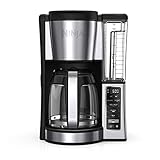
Ninja Fresh Brew Coffee Maker, 12 Cup Glass Carafe, Stainless Steel, CE251 | Check Price On Amazon |

|
Hamilton Beach 2-Way Brewer Coffee Maker, Single-Serve and 12-Cup Pot, Black/Stainless Steel(49980A), Carafe | Check Price On Amazon |

|
Keurig K-Elite Single Serve K-Cup Pod Coffee Maker, with Strength and Temperature Control, Iced Coffee Capability, 8 to 12oz Brew Size, Programmable, Brushed Slate | Check Price On Amazon |

|
KRUPS Simply Brew Compact 5 Cup Coffee Maker: Stainless Steel Design, Pause & Brew, Keep Warm, Reusable Filter, Drip-Free Carafe | Check Price On Amazon |

|
Ninja Luxe Café Premier 3-in-1 Espresso Machine, Drip Coffee, & Cold Brew | Check Price On Amazon |
By the Numbers
Coffee and Brain Health — What the Research Shows
Sources: Journal of Alzheimer’s Disease, European Journal of Neurology, Frontiers in Neuroscience
This guide covers every major link between coffee and brain health: the neurochemistry of caffeine, the protective role of polyphenols, optimal dosing for cognitive performance, timing strategies for mental clarity, and the specific neurological conditions that coffee consumption helps prevent. The evidence spans decades of peer-reviewed research from leading neuroscience and epidemiology journals.
What Makes Coffee Unique for Brain Health Compared to Other Caffeinated Drinks?
Coffee protects the brain through mechanisms that go far beyond caffeine alone. The beverage contains over 1,000 bioactive compounds, and several of them cross the blood-brain barrier to exert direct neuroprotective effects.
This happens because chlorogenic acids in coffee reduce neuroinflammation by inhibiting microglial activation in the central nervous system. These polyphenols neutralize free radicals in brain tissue at concentrations achievable with just 2 to 3 cups of daily coffee consumption.
This only occurs when coffee is brewed from whole beans using hot water extraction between 195°F (90°C) and 205°F (96°C). Cold brew extracts roughly 30% fewer chlorogenic acids, which means fewer neuroprotective polyphenols reach your bloodstream.
If water temperature drops below 185°F (85°C), chlorogenic acid extraction falls below the threshold needed for meaningful antioxidant activity in neuronal tissue. Fix it by using a variable temperature gooseneck kettle set to 200°F (93°C) for optimal polyphenol extraction.
According to a review published in Frontiers in Neuroscience, the combination of caffeine plus chlorogenic acids produces synergistic neuroprotection that neither compound achieves alone. Tea contains caffeine but lacks coffee’s specific chlorogenic acid profile. Energy drinks contain caffeine but none of the polyphenols.
For brain health specifically, whole-bean coffee brewed fresh delivers a unique package: adenosine receptor blockade for immediate alertness, plus long-term anti-inflammatory protection for neurons that unfolds over years of consistent consumption.
How Does Caffeine Actually Work in Your Brain?
Caffeine works by blocking adenosine receptors throughout your central nervous system. Adenosine builds up in the brain throughout the day and binds to A1 and A2A receptors, which signals your body to feel tired and slow down neural activity.
Caffeine has a molecular structure nearly identical to adenosine. It fits into those same receptor sites without activating them, which prevents adenosine from binding and keeps your neurons firing at full speed even when your brain would normally be signaling fatigue.
This only occurs when caffeine reaches a plasma concentration of 15 to 30 micromoles per liter, which happens roughly 30 to 60 minutes after drinking a standard 8-ounce (240 ml) cup of coffee containing 95 mg of caffeine. Peak brain concentrations align with peak plasma levels.
If you consume caffeine too late in the day (after 2 PM for most people), it occupies adenosine receptors well into the evening and fragments sleep architecture. The result is reduced slow-wave sleep that impairs memory consolidation overnight. Fix it by stopping caffeine intake at least 8 hours before bedtime.
According to research published in the Journal of Alzheimer’s Disease, this adenosine-blocking mechanism may also explain part of coffee’s long-term protective effects. Chronic adenosine A2A receptor blockade reduces beta-amyloid accumulation, the protein plaques associated with Alzheimer’s disease progression.
The mechanism goes deeper than just blocking tiredness signals. Caffeine also triggers increased dopamine receptor availability in the striatum, which improves mood, motivation, and sustained attention for 3 to 5 hours after consumption.
Can Coffee Really Reduce Your Risk of Alzheimer’s and Parkinson’s Disease?
Yes, and the evidence is stronger than most people realize. Multiple large-scale prospective cohort studies tracking tens of thousands of participants over 10 to 20 years consistently find that regular coffee consumption reduces Alzheimer’s disease risk by 30% to 65%.
The CAIDE study (Cardiovascular Risk Factors, Aging and Dementia) tracked participants for over 20 years. It found that drinking 3 to 5 cups of coffee daily at midlife reduced late-life dementia and Alzheimer’s risk by 65% compared to drinking 0 to 2 cups daily.
This only occurs with consistent long-term consumption. Sporadic coffee drinking or starting late in life does not produce the same magnitude of protection. The protective effect builds over decades and appears strongest when coffee intake begins in midlife (ages 40 to 60).
If coffee consumption drops to zero or becomes irregular, the neuroprotective effect weakens. The accumulation of neurotoxic proteins (beta-amyloid and tau) may accelerate when the chronic anti-inflammatory support from coffee polyphenols is removed. Fix it by maintaining a consistent daily habit of 2 to 4 cups.
For Parkinson’s disease, the data is equally compelling. A meta-analysis published in the European Journal of Neurology pooled data from over 300,000 participants and found that coffee drinkers had a 33% lower risk of developing Parkinson’s compared to non-drinkers. The effect is dose-dependent up to about 4 cups daily.
The mechanism appears to involve caffeine’s ability to maintain dopamine neuron function in the substantia nigra, the brain region that degenerates in Parkinson’s. According to research in the Journal of Neurochemistry, caffeine blocks A2A receptors that would otherwise contribute to dopaminergic neuron death.
How Much Coffee Should You Drink for Optimal Brain Protection?
The sweet spot for brain health is 3 to 5 cups daily (300 to 500 mg of caffeine), based on the convergence of multiple epidemiological studies. At this intake level, Alzheimer’s risk reduction peaks, cognitive decline slows measurably, and side effect risk remains manageable for most healthy adults.
A 2017 umbrella review in the British Medical Journal examined 201 meta-analyses and concluded that 3 to 4 cups of coffee daily produces the strongest health benefits with the lowest risk profile. Below 2 cups, neuroprotective effects are present but weaker. Above 6 cups, side effects like anxiety and sleep disruption begin to offset benefits.
For exact dosing, measure your intake with a coffee scale with a built-in timer. A standard cup uses 15 to 18 grams of whole coffee beans per 240 ml (8 oz) of water, yielding approximately 80 to 120 mg of caffeine depending on the bean variety and roast.
Robusta beans contain roughly double the caffeine of Arabica. A 100% Arabica whole bean coffee provides about 1.2% caffeine by weight, while Robusta provides roughly 2.2%. If caffeine sensitivity is a concern, stick to Arabica exclusively.
Your personal optimal dose also depends on genetics. Variations in the CYP1A2 gene determine whether you are a fast or slow caffeine metabolizer. Fast metabolizers clear caffeine quickly and may benefit from higher intake. Slow metabolizers need to stay closer to the 2 to 3 cup range to avoid jitteriness and sleep disruption.
Myth vs Fact
Coffee and Brain Health — Common Myths Debunked
Separating fact from fiction on the most common coffee and brain health misconceptions
✗ Myth
Coffee dehydrates your brain and causes cognitive decline.
✓ Fact
Moderate coffee consumption contributes to daily fluid balance and does not cause dehydration. The mild diuretic effect of caffeine is offset by the water content of coffee itself. Research in PLOS ONE found no difference in hydration status between coffee drinkers and water drinkers.
✗ Myth
Dark roast coffee is better for brain health because it has more antioxidants.
✓ Fact
Light and medium roasts actually retain more chlorogenic acids than dark roasts. The roasting process degrades polyphenols as temperature and duration increase. A light roast can contain 30% to 50% more chlorogenic acid than the same bean roasted dark. For maximal neuroprotection, choose a light or medium roast.
✗ Myth
Decaf coffee provides no brain health benefits.
✓ Fact
Decaf coffee retains most of its polyphenols, including chlorogenic acids, through the decaffeination process. Studies show decaf drinkers still experience reduced diabetes risk and some neuroprotective benefits, though the adenosine-blocking effects from caffeine are absent. For evening consumption without sleep disruption, decaf is a valid option.
✗ Myth
Adding milk or cream neutralizes coffee’s brain health benefits.
✓ Fact
Milk proteins do not bind to or neutralize coffee polyphenols in a way that meaningfully reduces their absorption. Research in the Journal of Nutrition found that adding milk to coffee did not reduce plasma antioxidant capacity. However, adding sugar introduces separate metabolic concerns that are unrelated to coffee’s neuroprotective mechanism.
✗ Myth
Coffee causes brain damage by reducing cerebral blood flow.
✓ Fact
Caffeine does cause a mild, temporary reduction in cerebral blood flow (roughly 20% to 30%) by constricting blood vessels in the brain. However, this effect is transient and does not cause brain damage. Chronic coffee drinkers develop tolerance to this vasoconstriction, and long-term studies show no evidence of ischemia or white matter damage from regular coffee intake.
What Is the Best Time of Day to Drink Coffee for Cognitive Performance?
The optimal timing for coffee intake aligns with your natural cortisol rhythm. Cortisol peaks naturally between 8 AM and 9 AM for most people who wake around 7 AM. Drinking coffee during this peak window provides the smallest cognitive boost because your alertness is already elevated.
The best windows for cognitive benefit are 9:30 AM to 11:30 AM and 1:30 PM to 3:00 PM, when cortisol dips naturally. A cup during these troughs produces a sharper contrast in perceived alertness and delivers more noticeable improvements in reaction time, working memory, and sustained attention.
This only works if you avoid caffeine within 90 minutes of waking. Consuming coffee immediately upon waking blunts the natural cortisol awakening response and builds tolerance faster, which means you need more caffeine over time to get the same cognitive effect.
If you drink coffee first thing every morning for months, your adenosine receptors upregulate and the same dose delivers progressively less cognitive benefit. Fix it by delaying your first cup until 90 to 120 minutes after waking, when cortisol begins its natural decline.
A French press coffee maker or pour over dripper lets you brew exactly when your cognitive window opens, rather than relying on pre-made coffee that sits and oxidizes while you wait.
For afternoon dosing, stop caffeine intake by 2 PM if you sleep at 10 PM. Caffeine has a half-life of 4 to 6 hours in most adults, so half of a 2 PM cup still occupies adenosine receptors at 8 PM, fragmenting sleep quality even if you fall asleep without difficulty.
How Do Coffee’s Polyphenols Protect Neurons Over Decades?
Coffee polyphenols, primarily chlorogenic acids and their metabolites, protect neurons through three distinct long-term mechanisms. First, they reduce chronic neuroinflammation by inhibiting NF-kB signaling in microglia, the brain’s immune cells. Second, they chelate free iron and copper ions that catalyze oxidative damage in brain tissue. Third, they upregulate endogenous antioxidant enzymes like glutathione peroxidase within neurons themselves.
This happens because chlorogenic acid metabolites cross the blood-brain barrier and accumulate in brain tissue at nanomolar to micromolar concentrations after chronic daily coffee intake. Once inside the brain, they donate hydrogen atoms to neutralize reactive oxygen species before those free radicals can damage mitochondrial membranes in neurons.
This only occurs when coffee consumption is daily and consistent for years. The half-life of chlorogenic acids in plasma is just 2 to 4 hours, but the downstream effects on gene expression (upregulating protective enzymes) persist for days. Skipping days creates gaps in this cumulative protection.
If you consume coffee sporadically (only on weekdays or only when tired), the sustained anti-inflammatory signaling that suppresses neuroinflammation never fully establishes. The result is intermittent protection that does not match the dementia risk reduction seen in daily drinkers. Fix it by making coffee intake a daily habit, even if some days you switch to a specialty decaf whole bean coffee to maintain polyphenol intake without caffeine.
According to a 2018 study in the Journal of Agricultural and Food Chemistry, the specific chlorogenic acid isomer 5-caffeoylquinic acid (5-CQA) shows the strongest neuroprotective activity in neuronal cell models. This compound is most abundant in green coffee beans and is partially preserved through light to medium roasting.
For readers who want a broader look at how these compounds affect overall wellness beyond just the brain, the full range of coffee’s health benefits extends from metabolic to cardiovascular protection. The same polyphenols that protect neurons also improve insulin sensitivity and reduce systemic inflammation.
Does Coffee Improve Short-Term Memory, Focus, and Learning?
Coffee improves specific cognitive functions measurably, but not all forms of memory equally. Working memory (holding information temporarily for manipulation) improves by 10% to 20% under caffeine’s influence. Reaction time drops by 20 to 50 milliseconds. Sustained attention and vigilance tasks see the largest improvements, especially when the task is monotonous.
However, caffeine does not reliably improve long-term memory consolidation unless consumed after learning, not before. A Johns Hopkins study published in Nature Neuroscience found that 200 mg of caffeine consumed immediately after studying a set of images improved pattern separation memory (discriminating similar but distinct items) when tested 24 hours later.
This only occurs when caffeine is taken after the learning session, not before. Pre-learning caffeine may increase alertness during study but does not enhance the memory consolidation processes that occur in the hours after new information is encoded.
If you drink coffee before studying and then skip it after, you miss the consolidation window entirely. The study effect is about encoding efficiency during the session but not about locking in memories afterward. Fix it by studying first, then drinking coffee immediately after the session ends to support hippocampal consolidation.
Grinding fresh beans with a burr coffee grinder just before brewing preserves the volatile aromatic compounds that contribute to the sensory experience. The ritual of grinding and brewing itself can serve as a productive transition ritual between focused study blocks.
For additional context on caffeine content across different brew methods and how to match your intake to your cognitive goals, understanding caffeine levels in different coffee preparations helps you dose precisely for mental performance.
What Are the Risks of Coffee for Brain Health?
Coffee’s brain health risks are real but narrow. They concentrate almost entirely on sleep disruption, anxiety exacerbation, and withdrawal symptoms. For otherwise healthy adults without anxiety disorders, the risk profile of 3 to 4 cups daily is minimal and heavily outweighed by neuroprotective benefits.
Caffeine can worsen generalized anxiety disorder and panic disorder at doses above 200 mg. It increases sympathetic nervous system activity (heart rate, blood pressure, cortisol) in ways that mimic anxiety symptoms, which can trigger panic in predisposed individuals.
This only occurs at doses above an individual’s tolerance threshold, which varies widely. Fast caffeine metabolizers tolerate 400 mg or more without anxiety. Slow metabolizers may feel anxious at 150 mg. The threshold is partly genetic and partly influenced by baseline anxiety levels and concurrent stressors.
If you experience racing thoughts, trembling, or a pounding heart after coffee, the dose is too high for your metabolism rate. The result is counterproductive for cognitive performance because anxiety impairs working memory and decision-making more than the caffeine boost helps. Fix it by reducing the dose, switching to half-caff blends, or choosing a half-caff whole bean coffee blend that provides roughly 40 to 50 mg of caffeine per cup.
Caffeine withdrawal is a genuine neurological phenomenon. After 12 to 24 hours without caffeine, chronic drinkers experience reduced cerebral blood flow (which causes headache), fatigue, and impaired concentration. These symptoms peak at 24 to 48 hours and resolve within 5 to 9 days of abstinence as adenosine receptors downregulate to baseline levels.
For a deeper look at how coffee’s overall health profile balances against these risks, the complete evidence on whether coffee is genuinely good for human health covers cardiovascular, metabolic, and longevity outcomes alongside brain effects.
Which Brewing Method Maximizes Brain-Healthy Compounds?
Filter brewing methods (pour over, drip, and AeroPress) produce the best balance of high polyphenol extraction with low levels of cafestol and kahweol, the diterpenes that raise LDL cholesterol. Paper filters trap these diterpenes while allowing chlorogenic acids and caffeine to pass through freely.
A Chemex pour over coffee maker with thick bonded paper filters removes the highest percentage of diterpenes while extracting chlorogenic acids at roughly 85% to 90% efficiency at 200°F (93°C) brew temperature. The slower drawdown time (4 to 5 minutes) increases contact time and polyphenol extraction compared to faster methods.
This only occurs with proper technique: a 1:16 brew ratio (22g coffee to 350g water), water at 200°F (93°C), a 30-second bloom with 2 times the coffee weight in water, and a total brew time of 3.5 to 5 minutes depending on the dripper design.
If you brew too fast (under 2.5 minutes total contact time), underextraction leaves chlorogenic acids in the grounds rather than in your cup. The result is weaker neuroprotective potential per cup. Fix it by grinding finer (medium-fine, approximately 500 to 600 microns) to slow the flow rate through the filter bed.
French press and espresso both extract higher levels of diterpenes because neither uses a paper filter. For brain health specifically, the cholesterol-raising effect of unfiltered coffee is a separate concern from neuroprotection. A AeroPress coffee maker with paper micro-filters combines the body of immersion brewing with paper filtration for diterpene removal.
Cold brew extracts significantly fewer polyphenols than hot brewing methods, regardless of steep time. A 2018 study in Scientific Reports found that hot-brewed coffee had 60% to 100% higher chlorogenic acid concentrations than cold brew made from identical beans at identical ratios. For brain health, hot-brewed and filtered is the evidence-backed choice.
Brewing Comparison
Brewing Methods and Brain-Healthy Compound Extraction
Use the table below to match your brewing method to your brain health priorities.
| Brew Method | Chlorogenic Acid Extraction | Diterpene Level | Caffeine per 8 oz | Brain Health Rating |
|---|---|---|---|---|
| Pour Over (V60/Chemex) | High (85-90%) | Very Low (paper filter) | 95-120 mg | Best Overall |
| AeroPress (paper filter) | High (80-88%) | Very Low (paper filter) | 80-100 mg | Excellent |
| Drip Machine (paper filter) | Moderate-High | Very Low (paper filter) | 80-110 mg | Very Good |
| French Press | High (85-92%) | High (no filter) | 90-115 mg | Good (watch cholesterol) |
| Espresso | Moderate | Moderate-High | 60-75 mg per shot | Moderate |
| Cold Brew | Low (40-60% less) | Moderate | 150-200 mg (concentrate) | Lowest Polyphenols |
Chlorogenic acid extraction estimates based on data from Scientific Reports (2018) and Journal of Agricultural and Food Chemistry. Brain health rating considers polyphenol content, diterpene level, and caffeine delivery.
How Does Coffee Interact With Brain Health Supplements and Medications?
Coffee interacts with several common brain health supplements and medications through competitive liver enzyme metabolism. The CYP1A2 enzyme processes caffeine, and anything that competes for or affects this enzyme will change how much caffeine reaches your brain and how long it stays there.
L-theanine, the calming amino acid from green tea, synergizes positively with caffeine. Taking 100 to 200 mg of L-theanine alongside coffee reduces the jittery side effects of caffeine while preserving the focus and alertness benefits. The combination improves attention switching and reduces distractibility more than caffeine alone.
This only works at a roughly 1:1 to 2:1 ratio of L-theanine to caffeine. Too much L-theanine (over 400 mg) produces sedation that cancels caffeine’s cognitive benefits. A 200 mg L-theanine supplement taken with 100 mg of caffeine from a standard cup of coffee hits the ideal ratio for most people.
If you take ADHD stimulant medications (methylphenidate or amphetamines), combining them with coffee amplifies sympathetic stimulation. The combined effect on heart rate and blood pressure can exceed safe limits. Fix it by separating coffee and stimulant medication by at least 2 to 3 hours and monitoring how the combination affects you at lower doses first.
Certain antidepressants, particularly fluvoxamine (Luvox), powerfully inhibit CYP1A2 and can increase caffeine half-life from 5 hours to over 30 hours. Even one morning cup can cause insomnia and anxiety that night if you are taking a strong CYP1A2 inhibitor. Check your medication’s effect on CYP1A2 before establishing a coffee routine.
For a comprehensive reference on all things coffee, including how different bean origins and processing methods affect the final brew’s chemical profile, the complete coffee guide covers everything from bean selection to brewing science.
Frequently Asked Questions About Coffee and Brain Health
Can I drink coffee while pregnant without harming my baby’s brain development?
Quick Answer: Current guidelines from the American College of Obstetricians and Gynecologists recommend limiting caffeine to 200 mg per day (roughly 2 cups of filtered coffee) during pregnancy. Higher intakes are associated with lower birth weight and potential developmental concerns, though the evidence on brain development specifically is mixed and comes primarily from observational studies that cannot establish causation.
Pregnant women metabolize caffeine more slowly, with half-life increasing from 5 hours to 10 to 18 hours during the third trimester. Caffeine crosses the placenta freely, and the fetus has almost no CYP1A2 enzyme activity to clear it.
If you are pregnant or trying to conceive, switch to a organic decaf whole bean coffee for your second and third cups to stay under the 200 mg daily limit while maintaining the polyphenol benefits.
Does coffee help or hurt people with ADHD?
Quick Answer: Coffee provides mild symptom relief for some adults with ADHD because caffeine increases dopamine and norepinephrine availability in the prefrontal cortex, the same neurotransmitters targeted by prescription ADHD medications. However, the effect is weaker and shorter-lasting than prescription stimulants, and self-medicating with coffee is not a substitute for proper diagnosis and treatment.
Caffeine improves sustained attention and reduces reaction time variability in people with ADHD, effects that overlap with stimulant medication mechanisms. The problem is that caffeine’s effect at safe doses is modest compared to calibrated medication.
If you use coffee to manage ADHD symptoms, avoid exceeding 400 mg daily and do not combine high caffeine doses with prescription stimulants without medical supervision due to additive cardiovascular strain.
Why does coffee make me feel anxious while other people feel focused?
Quick Answer: Your anxiety response to coffee is largely determined by your CYP1A2 gene variant and baseline norepinephrine sensitivity. Slow caffeine metabolizers accumulate caffeine in their system longer, which prolongs the sympathetic nervous system activation that triggers anxiety. Fast metabolizers clear caffeine quickly and experience the cognitive benefits without the extended stress response.
Beyond genetics, baseline anxiety levels matter. People with higher trait anxiety have more sensitive norepinephrine systems that amplify caffeine’s anxious effects even at low doses.
If coffee makes you anxious, try a specialty half-caff coffee blend that reduces caffeine per cup to 40 to 50 mg, or add 100 mg of L-theanine to smooth out the anxiety response without sacrificing focus.
Can coffee prevent or delay dementia if I start drinking it later in life?
Quick Answer: Starting coffee consumption in midlife (ages 40 to 60) provides the strongest protective association against later dementia, according to the CAIDE study’s 20-year follow-up data. Starting after age 65 may still offer some benefit, but the protective effect is smaller because the cumulative anti-inflammatory protection has less time to build before cognitive decline begins.
The neuroprotective mechanism relies on chronic, sustained exposure to coffee polyphenols that suppress neuroinflammation over decades. Late initiation misses the window where this suppression can meaningfully alter disease trajectory. However, even late-starting coffee drinkers may experience improved cerebral blood flow regulation and some degree of antioxidant support.
For maximum protection, the evidence suggests starting daily coffee consumption by age 50 and maintaining it consistently thereafter. Three cups daily of filtered light or medium roast coffee is the regimen most strongly associated with reduced dementia incidence.
What is the difference between coffee’s effects on the aging brain versus a young brain?
Quick Answer: In young brains, coffee primarily enhances acute cognitive performance: faster reaction times, better sustained attention, and improved working memory during caffeine’s active window of 3 to 5 hours. In aging brains, coffee’s dominant effect shifts from acute performance enhancement to long-term neuroprotection: reduced neuroinflammation, lower amyloid plaque accumulation, and preserved white matter integrity over years of follow-up.
Young brains have higher baseline cerebral blood flow, more efficient waste clearance (glymphatic function), and lower baseline neuroinflammation. Coffee’s polyphenols provide a smaller marginal benefit to an already-healthy system. In aging brains with accumulated oxidative damage and declining glymphatic clearance, the same compounds produce a larger relative protective effect.
This explains why epidemiological studies find that midlife coffee intake predicts dementia risk decades later more strongly than late-life intake. The exposure during the transition from middle to older age appears to be the critical protective window.
Can I safely use coffee as a pre-workout for mental performance during exercise?
Quick Answer: Coffee consumed 30 to 60 minutes before exercise improves both physical endurance and cognitive performance during the workout. The combination of increased dopamine, blocked adenosine, and elevated circulating catecholamines sharpens motor coordination and decision-making during fatiguing exercise without additional risks beyond caffeine’s standard side effect profile.
Caffeine improves time to exhaustion by 12% to 15% on average and simultaneously preserves reaction time and accuracy during the later stages of prolonged exercise when mental fatigue would normally set in.
For pre-workout mental performance, brew a strong cup using an AeroPress coffee maker for a concentrated 100 to 150 mg caffeine dose 45 minutes before training. Avoid adding heavy cream or large volumes of milk that could cause gastrointestinal discomfort during exercise.
Why does my brain feel foggy when I skip coffee for a day?
Quick Answer: Brain fog during caffeine withdrawal is caused by adenosine receptor upregulation. With chronic daily caffeine intake, your brain produces additional adenosine receptors to compensate for caffeine’s blocking effect. When caffeine is suddenly absent, those extra receptors are all available for adenosine to bind to, which produces exaggerated fatigue, reduced cerebral blood flow, and impaired concentration that feels worse than your pre-coffee baseline.
This withdrawal effect peaks at 24 to 48 hours after the last caffeine dose and resolves within 5 to 9 days as receptor density normalizes. The severity depends on your daily dose: people consuming over 300 mg daily experience stronger withdrawal fog than those at 100 to 200 mg.
If you need to skip coffee, taper the dose over 5 to 7 days rather than stopping abruptly. Gradual reduction allows adenosine receptors to downregulate at a pace that avoids noticeable withdrawal symptoms.
Does the type of coffee bean (Arabica vs Robusta) matter for brain health?
Quick Answer: Arabica beans provide a better brain health profile than Robusta for most people because they contain more chlorogenic acids (5.5% to 8% by dry weight versus 7% to 10% in Robusta, but with a more favorable caffeine-to-polyphenol ratio for sustained daily use). Robusta’s higher caffeine content (2.2% versus 1.2% in Arabica) makes it harder to consume the 3 to 5 cups daily needed for neuroprotection without exceeding comfortable caffeine limits.
The chlorogenic acid difference is smaller than the caffeine difference. A single origin light roast Arabica preserves the highest chlorogenic acid levels while keeping caffeine moderate per cup.
If you tolerate caffeine well and want the strongest neuroprotective dose per cup, a blend containing some Robusta can work. But for most people aiming for 3 to 5 cups daily, 100% Arabica provides the best balance of polyphenol delivery without excessive caffeine load.
Is mushroom coffee better than regular coffee for brain health?
Quick Answer: Mushroom coffee (coffee blended with powdered Lion’s Mane, Chaga, or Cordyceps mushrooms) adds potentially complementary compounds to coffee’s existing neuroprotective profile, but the clinical evidence for mushroom coffee itself is far weaker than for standard coffee. Lion’s Mane mushroom shows preliminary evidence for stimulating nerve growth factor (NGF) production, but the studies are small, short-term, and mostly in animal models. Standard coffee’s brain benefits rest on decades of large-scale human epidemiological data.
Mushroom coffee typically contains less caffeine than regular coffee, which may reduce the adenosine-blocking cognitive benefits unless you increase the number of cups consumed.
If you want to try mushroom coffee, use it as a supplement to, not a replacement for, your standard filtered coffee intake until human clinical trial evidence is stronger.
How does coffee compare to green tea specifically for brain aging?
Quick Answer: Coffee provides stronger protection against Alzheimer’s and Parkinson’s specifically, while green tea shows comparable or slightly stronger effects on general cognitive decline and stroke risk reduction. Coffee’s advantages come from higher caffeine content and a different polyphenol profile dominated by chlorogenic acids. Green tea’s advantages come from EGCG (epigallocatechin gallate) and L-theanine, which coffee lacks.
Coffee drinkers in large cohort studies show roughly 30% to 65% Alzheimer’s risk reduction. Green tea drinkers show roughly 20% to 35% risk reduction for general cognitive impairment. The two beverages appear to work through complementary rather than identical mechanisms.
For comprehensive brain aging protection, drinking both coffee (in the morning and early afternoon) and green tea (in the late afternoon when caffeine must be limited) is an evidence-supported strategy that captures the benefits of both polyphenol profiles.
Conclusion
Coffee protects your brain today and decades from now. Three to five cups of filtered, hot-brewed coffee daily delivers the optimal combination of immediate cognitive enhancement and long-term neuroprotection supported by decades of peer-reviewed research.
Start with quality whole beans, grind fresh, brew with paper filtration, and time your intake to your natural cortisol dips for the strongest cognitive returns. The evidence is clear that coffee is one of the most potent, accessible, and well-studied brain health interventions available.
For your next step, explore the complete coffee guide to master bean selection and brewing techniques that maximize both flavor and the neuroprotective compounds your brain needs.