
Air roasting and drum roasting are two distinct coffee roasting methods that produce different flavor profiles through contrasting heat transfer mechanisms. Air roasting uses hot airflow to roast beans in a suspended environment, while drum roasting tumbles beans in a heated rotating cylinder. Professional roasters choose between these methods based on desired flavor characteristics, production volume, and cost considerations.
What Are Air Roasting and Drum Roasting?
Coffee roasting transforms green coffee beans through controlled heat application, developing the flavors and aromas coffee drinkers recognize. The roasting method significantly impacts the final cup quality and taste profile.
| Photo | Popular Coffee Makers | Price |
|---|---|---|
|
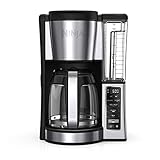
Ninja Fresh Brew Coffee Maker, 12 Cup Glass Carafe, Stainless Steel, CE251 | Programmable, Classic & Rich brew, 70-oz. Removable Water Reservoir, Small Batch, 24-hr Delay Brew, Adjustable Warming Plate | Check Price On Amazon |

|
Hamilton Beach 2-Way Programmable Coffee Maker & Single Serve Coffee Maker | 12 Cup Glass Carafe | Black with Stainless Steel Accents | 49980RG | Check Price On Amazon |

|
Keurig K-Elite Single Serve K-Cup Pod Coffee Maker, Brushed Slate | Strength and Temperature Control, Iced Coffee Capability, 8 to 12oz Brew Size, Programmable | Check Price On Amazon |

|
KRUPS Simply Brew Compact 5 Cup Coffee Maker: Stainless Steel Design, Pause & Brew, Keep Warm, Reusable Filter, Drip-Free Carafe | Check Price On Amazon |

|
Ninja® Luxe Café Premier 3-in-1 Espresso Machine, Stainless Steel, ES601 | Guided Barista Assist Technology for consistent results, dual froth system for hot or cold microfoam | Check Price On Amazon |
Air roasting, also called fluid bed roasting, suspends coffee beans in a column of hot air heated to 400-500°F. The circulating airflow provides both heat transfer and agitation, keeping beans in constant motion during the roasting process. This method roasts beans evenly without direct contact with heated surfaces.
Drum roasting uses a large rotating cylinder heated by gas flames or electric elements. Beans tumble inside the drum while absorbing heat from the heated metal walls, creating a combination of conductive and radiant heat transfer. Most commercial coffee roasters utilize drum roasting technology.
How Do Air Roasters and Drum Roasters Work?
Air Roasting Process
Air roasters function through a vertical chamber design with powerful fans that circulate heated air at 15-20 cubic feet per minute. The hot air stream keeps beans suspended and moving constantly throughout the roasting cycle. Temperature sensors monitor air temperature and bean temperature separately for precise control.
The roasting process begins when green beans enter the hot air column at approximately 350°F. As the beans absorb heat and lose moisture, they become lighter and more buoyant, rising higher in the chamber. First crack occurs around 380-400°F bean temperature, followed by second crack at 415-435°F if roasting continues.
Drum Roasting Process
Drum roasters heat a rotating cylinder to 350-450°F before introducing green beans. The drum rotates at 20-60 RPM while heated air circulates through perforated walls. Beans absorb heat through direct contact with the drum walls and hot air circulation.
Professional drum roasters include temperature probes that monitor both environmental temperature and bean mass temperature. Digital thermometers track temperature curves while adjustable dampers control airflow and exhaust for flavor development control.
Key Differences Between Air Roasting and Drum Roasting
The fundamental difference lies in heat transfer methods and bean movement patterns. This comparison reveals how each method affects coffee development and flavor outcomes.
| Aspect | Air Roasting | Drum Roasting |
|---|---|---|
| Heat Transfer | Convective hot air | Conductive + radiant heat |
| Bean Movement | Suspended in airflow | Tumbling in drum |
| Roast Time | 6-12 minutes | 12-20 minutes |
| Temperature Control | Air temperature focused | Drum + bean temperature |
| Chaff Removal | Automatic via airflow | Manual or mechanical |
| Batch Size | 1-50 pounds typical | 5-1000+ pounds |
Heat Distribution Patterns
Air roasting provides uniform heat distribution because every bean receives identical hot air exposure. This eliminates hot spots and ensures consistent development across the entire batch.
Drum roasting creates heat gradients within the drum, with beans closest to heated walls receiving more intense heat. This variation can produce subtle complexity but requires skilled operation to prevent uneven roasting.
Roasting Speed and Development
Air roasters complete most roasts in 6-12 minutes due to efficient heat transfer from circulating hot air. The rapid heat application reduces development time and creates bright, clean flavor profiles.
Drum roasters typically require 12-20 minutes for similar roast levels because heat transfer occurs more gradually. This extended development time allows for complex chemical reactions that produce deeper, more developed flavors.
Flavor Differences: Air Roasted vs Drum Roasted Coffee
The roasting method directly influences coffee flavor through different chemical development pathways. Understanding these flavor differences helps coffee professionals and enthusiasts select appropriate roasting methods for specific beans and target profiles.
Air Roasted Flavor Characteristics
Air roasted coffees exhibit bright acidity, clean cup profiles, and prominent origin characteristics. The rapid roasting process preserves delicate aromatics and fruity notes while minimizing smoky or roasted flavors. Single-origin coffees particularly benefit from air roasting when showcasing terroir characteristics.
According to coffee cupping research, air roasted samples score higher in acidity and fruity descriptors but lower in body and chocolate notes compared to drum roasted equivalents. This makes air roasting ideal for light to medium roast levels where origin characteristics remain prominent.
Drum Roasted Flavor Characteristics
Drum roasted coffees develop fuller body, caramelized sweetness, and complex roasted flavors through extended heat exposure. The longer roasting time enables Maillard reactions that create chocolate, caramel, and nutty flavor compounds. These characteristics work well for darker roast levels and espresso applications.
Professional tasting panels consistently identify drum roasted coffees as having more balanced acidity, heavier mouthfeel, and pronounced sweetness development. This flavor profile suits consumers who prefer traditional coffee characteristics over bright, acidic profiles.
Which Roasting Method Makes Better Coffee?
Neither air roasting nor drum roasting produces universally superior coffee. The optimal method depends on bean origin, intended roast level, target flavor profile, and brewing method considerations.
When Air Roasting Excels
Air roasting performs best with high-quality single-origin beans where preserving delicate flavor notes takes priority. Ethiopian coffees, Kenyan beans, and other naturally fruity origins benefit from air roasting’s ability to maintain bright acidity and floral aromatics.
Light roast enthusiasts and pour-over brewers often prefer air roasted beans because the clean flavor profiles work well with precision brewing methods that highlight subtle taste differences. Pour-over equipment extracts the bright, complex flavors air roasting develops.
When Drum Roasting Excels
Drum roasting suits medium to dark roast levels where body, balance, and developed sweetness create the desired cup profile. Brazilian beans, Colombian coffees, and other naturally sweet origins develop excellent caramel and chocolate notes through drum roasting.
Espresso preparations benefit from drum roasted beans because the fuller body and balanced acidity create better crema formation and milk integration. Commercial cafes typically choose drum roasted beans for their espresso machines and milk-based drinks.
Cost Analysis: Air Roasting vs Drum Roasting
Equipment costs, operational expenses, and production capabilities vary significantly between air roasting and drum roasting systems. These economic factors influence roasting method selection for commercial operations and serious home roasters.
Equipment Investment
Entry-level air roasters cost $15,000-$25,000 for commercial models capable of 10-25 pound batches. Professional air roasting systems range from $50,000-$150,000 for larger capacity units with advanced automation features.
Drum roasters begin around $8,000-$15,000 for small commercial units handling 5-10 pound batches. Large production drum roasters cost $100,000-$500,000+ depending on capacity and automation level. The wider range of drum roaster options provides more flexibility for different business scales.
Operating Costs
Air roasters consume 15-25% more energy per pound of coffee due to powerful fan systems and higher air temperatures. However, faster roast times partially offset energy consumption differences.
Drum roasters typically use gas heating which costs less than electric heating in most markets. The longer roast times increase total energy consumption per batch, but energy efficiency improves with larger batch sizes.
Who Should Choose Air Roasting?
Air roasting suits specific roasting goals and business models where clean flavor profiles and consistency take priority over production volume or traditional roasted characteristics.
Specialty Coffee Roasters
Roasters focusing on single-origin coffees and light roast profiles benefit from air roasting’s ability to preserve origin characteristics. Coffee shops emphasizing high-quality specialty beans can showcase subtle flavor differences through air roasting methods.
Third-wave coffee businesses that educate customers about terroir and processing methods use air roasting to demonstrate how roasting technique affects flavor development. This educational approach justifies premium pricing for carefully roasted single-origins.
Small Batch Roasters
Roasters producing 100-500 pounds weekly can achieve excellent consistency with air roasting systems. The automated nature of air roasting reduces skill requirements compared to drum roasting, making it accessible for newer roasters learning the craft.
Home roasting enthusiasts seeking consistent results benefit from home air roasting machines that provide repeatable results with minimal technique variation.
Who Should Choose Drum Roasting?
Drum roasting serves roasters prioritizing production volume, traditional flavor development, and flexibility across multiple roast levels and coffee applications.
High Volume Operations
Commercial roasters producing 1000+ pounds weekly require drum roasting capacity and efficiency. Large drum roasters handle 50-200 pound batches that air roasters cannot match economically.
Coffee companies supplying restaurants, offices, and retail accounts need consistent production schedules that large drum roasters enable. The higher capacity reduces labor costs per pound and improves profit margins on volume sales.
Espresso-Focused Businesses
Cafes and roasters specializing in espresso drinks benefit from drum roasting’s ability to develop balanced acidity and full body. The traditional espresso flavor profile requires the caramelization and sweetness development that drum roasting achieves effectively.
Businesses offering multiple coffee applications including espresso, drip coffee, and cold brew need the flexibility drum roasting provides across different roast levels and brewing methods.
Expert Recommendations and Industry Insights
Professional roasters and coffee scientists provide valuable perspective on when each roasting method delivers optimal results based on extensive experience and scientific analysis.
Roasting Competition Results
According to Specialty Coffee Association competition data, winning roasters use both methods strategically based on bean characteristics and target profiles. Light roast competition entries increasingly feature air roasted samples, while espresso categories remain dominated by drum roasted coffees.
Q Grader certified professionals note that air roasting excels at preserving subtle cup notes that scoring protocols reward in single-origin categories. Drum roasting receives higher marks for balance and traditional coffee characteristics valued in commercial applications.
Scientific Research Findings
UC Davis Coffee Research Center studies confirm that air roasting preserves 15-20% more volatile aromatics compared to drum roasting at equivalent roast levels. However, drum roasting develops 25-30% more caramelization compounds that contribute to perceived sweetness and body.
Gas chromatography analysis reveals that air roasted samples contain higher concentrations of fruity esters and floral aldehydes, while drum roasted samples show elevated levels of pyrazines and furans associated with chocolate and nutty flavors.
Decision Framework: Choosing Your Roasting Method
Selecting between air roasting and drum roasting requires evaluating multiple factors including business goals, target customers, coffee sources, and operational constraints.
| Priority Factor | Choose Air Roasting | Choose Drum Roasting |
|---|---|---|
| Flavor Goal | Clean, bright, origin-forward | Balanced, traditional, developed |
| Target Roast Level | Light to medium | Medium to dark |
| Primary Brewing Method | Pour-over, cold brew | Espresso, automatic drip |
| Weekly Volume | Under 500 pounds | Over 500 pounds |
| Skill Level Required | Beginner to intermediate | Intermediate to expert |
| Equipment Budget | $15,000-$150,000 | $8,000-$500,000+ |
Assessment Questions
Before choosing a roasting method, evaluate your specific situation using these key questions:
- What coffee origins and processing methods will you roast primarily?
- Which brewing methods do your target customers prefer?
- What weekly production volume supports your business model?
- How much roasting experience and training do you possess?
- What equipment budget and space constraints affect your decision?
- Do you prioritize consistency or flavor complexity?
Hybrid Approaches and Alternative Solutions
Some roasters combine both methods or explore modified approaches that blend characteristics from air and drum roasting technologies.
Multi-Roaster Operations
Large roasting operations often maintain both air and drum roasters to optimize different coffee types and applications. This approach requires higher capital investment but provides maximum flexibility for diverse product lines.
Roasters can air roast delicate single-origins for retail customers while drum roasting espresso blends for wholesale accounts. This strategy maximizes flavor potential across different market segments and price points.
Modified Roasting Techniques
Some drum roasters incorporate increased airflow systems that provide characteristics similar to air roasting while maintaining larger batch capabilities. These hybrid systems cost more than traditional drum roasters but offer expanded flavor development options.
Advanced roaster modifications include variable speed controls, enhanced ventilation systems, and precise temperature zone management that bridge the gap between roasting methods.
Frequently Asked Questions
Does air roasting produce better coffee than drum roasting?
Neither method produces universally better coffee. Air roasting excels at preserving delicate origin characteristics and creating clean, bright flavor profiles. Drum roasting develops fuller body, balanced acidity, and traditional roasted flavors. The optimal method depends on bean characteristics, target roast level, and intended brewing application.
Why do most commercial roasters use drum roasting?
Drum roasters offer higher production capacity, lower equipment costs per pound of capacity, and greater flexibility across roast levels. A 60-pound drum roaster can produce 300-400 pounds daily, while equivalent air roasting capacity requires multiple units. Most commercial applications benefit from drum roasting’s ability to develop balanced flavors suitable for espresso and automatic drip brewing.
How much do professional roasting systems cost?
Professional drum roasters start around $8,000 for 5-pound capacity units and reach $500,000+ for large production systems. Air roasters begin around $15,000 for 10-pound capacity and cost up to $150,000 for automated commercial units. Operating costs favor drum roasting due to gas heating efficiency, while air roasters require more electricity but roast faster.
Can home roasters use these methods effectively?
Yes, both methods work for home roasting with appropriate equipment. Home air roasters like the FreshRoast SR800 cost $200-$400 and produce consistent results with minimal technique requirements. Home drum roasters range from $300-$2000 and require more skill development but offer greater capacity and traditional flavor profiles.
Which method works better for espresso?
Drum roasting typically produces better espresso due to fuller body development and balanced acidity that creates stable crema and smooth milk integration. The caramelization that drum roasting develops provides the sweetness and chocolate notes espresso drinkers expect. Air roasted beans can work for espresso but may produce thinner body and excessive brightness unless roasted to medium-dark levels.
How do roast times compare between methods?
Air roasting completes most roasts in 6-12 minutes due to efficient convective heat transfer. Drum roasting typically requires 12-20 minutes because heat transfer occurs more gradually through conduction and radiation. Faster air roasting preserves aromatics but provides less time for complex flavor development, while slower drum roasting enables deeper caramelization and body development.
Do the methods affect caffeine content differently?
Both methods reduce caffeine content similarly based on roast level rather than roasting method. Light roasts retain 95-97% of original caffeine regardless of roasting technique. Medium roasts contain 92-95% caffeine, while dark roasts drop to 85-90%. The roasting method has minimal impact compared to roast degree and bean origin on final caffeine levels.
Which method provides more consistent results?
Air roasting generally produces more consistent results due to uniform heat distribution and automated temperature control. Every bean receives identical hot air exposure, eliminating variability from uneven heating. Drum roasting requires more skill to achieve consistency but allows experienced roasters to create more complex flavor development through controlled heat application variations.
Can you retrofit existing equipment between methods?
Converting between air and drum roasting requires completely different equipment due to fundamentally different heat transfer mechanisms. However, some manufacturers offer modular systems that allow upgrading capacity or adding automation features within the same roasting method. Roasters typically choose one method and optimize their system rather than switching technologies.
How do environmental factors affect each method?
Air roasters perform more consistently across different ambient temperatures and humidity levels because internal airflow systems control the roasting environment. Drum roasters require adjustments for seasonal changes, altitude variations, and humidity differences that affect heat transfer efficiency. Experienced drum roaster operators develop techniques to compensate for environmental variables.
What maintenance requirements differ between methods?
Air roasters require regular fan motor maintenance, air filter cleaning, and heating element inspection. The automated chaff removal system needs periodic cleaning but handles waste management effectively. Drum roasters need bearing lubrication, belt replacement, and manual chaff removal after each batch. Both systems require regular cleaning of roasting chambers and exhaust systems for optimal performance.
Which method produces less smoke and odor?
Air roasters typically produce less smoke due to automatic chaff removal and efficient exhaust systems that eliminate burning debris. The shorter roast times also reduce total smoke production. Drum roasters may produce more smoke, especially during darker roasts, because chaff can accumulate and burn. Proper ventilation and regular cleaning minimize odor issues with both methods.
Choosing between air roasting and drum roasting depends on your specific goals, production requirements, and target flavor profiles. Air roasting excels at producing clean, bright coffees that showcase origin characteristics, while drum roasting develops fuller body and traditional roasted flavors. Consider your customer preferences, production volume, and operational constraints when making this important decision. For comprehensive guidance on coffee fundamentals and brewing techniques, both roasting methods can produce exceptional coffee when matched appropriately to bean characteristics and brewing applications.