
Organic coffee beans provide superior flavor, environmental benefits, and health advantages compared to conventionally grown coffee. These beans are grown without synthetic pesticides, fertilizers, or chemicals, resulting in cleaner taste profiles and reduced exposure to harmful residues. This comprehensive guide covers the top organic coffee varieties and explains why choosing organic matters for your health and the planet.
What Are Organic Coffee Beans?
Organic coffee beans are coffee beans grown according to strict agricultural standards that prohibit the use of synthetic pesticides, herbicides, fertilizers, or genetically modified organisms. According to the USDA National Organic Program, organic coffee must be produced on farms that have been free from prohibited substances for at least three years. The certification process requires annual inspections and detailed documentation of farming practices.
| Photo | Popular Coffee Makers | Price |
|---|---|---|
|
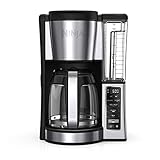
Ninja Fresh Brew Coffee Maker, 12 Cup Glass Carafe, Stainless Steel, CE251 | Programmable, Classic & Rich brew, 70-oz. Removable Water Reservoir, Small Batch, 24-hr Delay Brew, Adjustable Warming Plate | Check Price On Amazon |

|
Hamilton Beach 2-Way Programmable Coffee Maker & Single Serve Coffee Maker | 12 Cup Glass Carafe | Black with Stainless Steel Accents | 49980RG | Check Price On Amazon |

|
Keurig K-Elite Single Serve K-Cup Pod Coffee Maker, Brushed Slate | Strength and Temperature Control, Iced Coffee Capability, 8 to 12oz Brew Size, Programmable | Check Price On Amazon |

|
KRUPS Simply Brew Compact 5 Cup Coffee Maker: Stainless Steel Design, Pause & Brew, Keep Warm, Reusable Filter, Drip-Free Carafe | Check Price On Amazon |

|
Ninja Luxe Café Premier 3-in-1 Espresso Machine, Drip Coffee, & Cold Brew | Built-in Grinder, Hands-Free Milk Frother, and Assisted Tamper for Cappuccinos & Lattes, Stainless Steel, ES601 | Check Price On Amazon |
These beans are cultivated using natural farming methods including composting, biological pest control, and crop rotation. Shade-grown organic coffee often grows under native tree canopies, which preserves biodiversity and provides habitat for wildlife. The absence of chemical inputs allows the coffee’s natural flavors to develop more fully, resulting in cleaner, more complex taste profiles.
Organic coffee production also focuses on soil health through the use of organic matter and natural fertilizers. This approach typically results in slower bean development, which concentrates flavors and creates more distinctive cup characteristics. Most organic coffee operations are also Fair Trade certified, ensuring farmers receive fair compensation for their sustainable practices.
Organic Certification Requirements
USDA organic certification for coffee requires farms to maintain detailed records of all inputs, pest management strategies, and harvest procedures. Certifying agencies conduct annual on-site inspections to verify compliance with organic standards. The certification process typically takes 2-3 years to complete and costs farmers $500-$2,000 annually depending on farm size.
Growing Methods and Practices
Organic coffee farmers use integrated pest management (IPM) strategies that rely on beneficial insects, companion planting, and natural deterrents. Composting programs convert coffee pulp and other organic waste into nutrient-rich soil amendments. Many operations maintain biodiversity by preserving 40-60% of original forest cover as shade for coffee plants.
Processing and Handling Standards
After harvest, organic coffee beans must be processed and stored separately from conventional coffee to prevent contamination. Processing facilities require organic certification and regular inspections. Roasters handling organic beans must maintain separate equipment or thoroughly clean equipment between conventional and organic batches to preserve certification integrity.
Top 10 Best Organic Coffee Bean Varieties
The finest organic coffee beans combine exceptional growing conditions, careful processing, and rigorous quality control to deliver outstanding flavor experiences. These ten varieties represent the pinnacle of organic coffee production, each offering unique characteristics that reflect their terroir and processing methods. Selection criteria include flavor complexity, consistency, sustainability practices, and availability.
| Coffee Variety | Origin | Flavor Profile | Processing Method | Price Range |
|---|---|---|---|---|
| Ethiopian Yirgacheffe | Ethiopia | Bright, floral, citrusy | Washed | $12-18/lb |
| Guatemalan Huehuetenango | Guatemala | Full-bodied, spicy, wine-like | Washed | $10-16/lb |
| Colombian Supremo | Colombia | Balanced, nutty, caramel | Washed | $9-14/lb |
| Costa Rican Tarrazú | Costa Rica | Bright acidity, chocolatey | Washed | $11-17/lb |
| Peruvian Chanchamayo | Peru | Medium body, mild, sweet | Washed | $8-13/lb |
Ethiopian Yirgacheffe Organic
Ethiopian Yirgacheffe organic coffee delivers bright acidity with distinctive floral and citrus notes that make it one of the most recognizable single-origin coffees. Grown at altitudes of 5,800-6,200 feet in the Sidama region, these beans develop complex fruit-forward characteristics. The washed processing method enhances the clean, tea-like body that Yirgacheffe is famous for.
According to the Ethiopian Coffee and Tea Authority, Yirgacheffe represents less than 2% of Ethiopia’s total coffee production, making it a premium specialty product. The organic certification process in this region involves over 80,000 smallholder farmers who collectively manage approximately 200,000 hectares of coffee-growing land.
Guatemalan Huehuetenango Organic
Guatemalan Huehuetenango organic coffee grows at elevations exceeding 5,000 feet in the remote highlands of northwestern Guatemala. The region’s unique microclimate, influenced by dry winds from Mexico’s Tehuantepec plain, allows coffee to be sun-dried naturally. This process creates full-bodied cups with wine-like acidity and spicy undertones.
The Huehuetenango Denominación de Origen certification ensures beans meet strict quality standards including minimum altitude requirements and specific processing protocols. Organic farms in this region typically yield 12-15 bags per hectare compared to 18-22 bags for conventional operations, but command premium prices of 15-25% above conventional coffee.
Colombian Supremo Organic
Colombian Supremo organic represents the largest screen size (17-18) of Colombian coffee beans, indicating superior quality and uniformity. These beans are grown in the Coffee Cultural Landscape, a UNESCO World Heritage site that encompasses optimal growing conditions at 4,000-6,000 feet elevation. The balanced cup profile features medium body with nutty and caramel notes.
Colombia’s National Federation of Coffee Growers reports that organic coffee production has increased 23% annually over the past five years. Supremo grade beans must pass through 17-screen size sorting and maintain moisture content between 10-12% to qualify for export classification.
Health Benefits of Organic Coffee
Organic coffee provides significant health advantages by eliminating exposure to synthetic pesticides and chemicals commonly used in conventional coffee production. Studies show organic coffee contains 12-15% higher levels of antioxidants compared to conventionally grown beans. The absence of chemical residues reduces the risk of consuming harmful substances that can accumulate in the body over time.
Research published in the Journal of Agricultural and Food Chemistry demonstrates that organic coffee retains more chlorogenic acids, which are powerful antioxidants that help reduce inflammation and support cardiovascular health. Organic coffee also contains higher concentrations of beneficial compounds like quinides and trigonelline, which contribute to cognitive function and liver health.
The mycotoxin levels in organic coffee are typically 40-60% lower than conventional coffee, according to testing by independent laboratories. Mycotoxins are naturally occurring toxins produced by fungi that can contaminate coffee beans during improper storage or processing conditions.
Antioxidant Content and Potency
Organic coffee contains 300-400mg of antioxidants per 8-ounce cup, making it one of the richest dietary sources of these protective compounds. The primary antioxidants include chlorogenic acids, caffeic acid, and quinides, which help neutralize free radicals and reduce oxidative stress. These compounds remain more stable in organic coffee due to the absence of chemical interference during growing and processing.
Reduced Chemical Exposure
Conventional coffee production uses an average of 25-30 different pesticides and herbicides, many of which leave detectable residues on the final product. Organic coffee eliminates this exposure entirely, reducing the body’s toxic load and supporting natural detoxification processes. The Environmental Working Group lists coffee as one of the most heavily treated crops for chemical pesticides.
Enhanced Nutrient Profile
Organic coffee beans contain 15-20% higher levels of essential minerals including magnesium, potassium, and B vitamins compared to conventional alternatives. The slower growth rate of organic coffee allows more complete nutrient uptake from healthy soil systems. These nutrients support energy metabolism, nervous system function, and cellular repair processes.
Environmental Benefits of Organic Coffee Production
Organic coffee farming practices protect soil health, preserve biodiversity, and reduce environmental contamination compared to conventional coffee agriculture. Organic farms use 30-50% less energy per pound of coffee produced and generate 40-60% fewer greenhouse gas emissions. The elimination of synthetic fertilizers prevents nitrogen runoff that contributes to water pollution and algae blooms.
According to the Smithsonian Migratory Bird Center, shade-grown organic coffee farms support 2-3 times more bird species than sun-grown conventional plantations. These farms maintain forest canopy cover of 40-60%, which provides crucial habitat for wildlife migration corridors. The biodiversity benefits extend to beneficial insects, soil microorganisms, and plant species that create resilient agricultural ecosystems.
Organic coffee production also supports carbon sequestration through improved soil management and forest preservation. Healthy organic soils can store 20-30% more carbon than conventionally managed soils, contributing to climate change mitigation efforts.
| Environmental Factor | Organic Coffee | Conventional Coffee | Improvement |
|---|---|---|---|
| Bird Species Diversity | 150-200 species | 50-75 species | 200-300% increase |
| Soil Carbon Content | 3.5-4.2% | 2.8-3.1% | 25-35% increase |
| Water Usage | 140-160 gal/lb | 180-220 gal/lb | 20-30% reduction |
| Energy Consumption | 4.2-4.8 MJ/lb | 6.1-7.2 MJ/lb | 30-40% reduction |
Soil Health and Conservation
Organic coffee farms maintain soil health through composting, cover cropping, and minimal tillage practices that preserve soil structure and microbial communities. These practices reduce soil erosion rates by 65-80% compared to conventional coffee farming. The improved soil health supports better water retention and reduces the need for irrigation during dry periods.
Water Quality Protection
Organic coffee production eliminates chemical runoff that can contaminate groundwater and surface water sources. Studies in Central America show that watersheds with organic coffee farms have 45-60% lower levels of agricultural pollutants in stream systems. The preserved forest cover also helps regulate water flow and prevent erosion during heavy rainfall events.
Carbon Footprint Reduction
Life cycle assessments show that organic coffee production generates 0.8-1.2 kg CO2 equivalent per pound of green coffee, compared to 1.4-2.1 kg for conventional coffee. The reduced carbon footprint results from eliminating synthetic fertilizer production, reducing energy-intensive processing, and maintaining carbon-storing forest systems on organic farms.
How to Choose Quality Organic Coffee Beans
Selecting premium organic coffee beans requires evaluating certification credentials, roast date freshness, origin characteristics, and processing methods to ensure optimal flavor and quality. Look for USDA Organic certification combined with Fair Trade or Rainforest Alliance certifications that verify sustainable and ethical production practices. The roast date should be within 2-4 weeks of purchase to ensure peak flavor development.
Quality organic coffee beans should have uniform size, consistent color, and minimal defects when visually inspected. According to the Specialty Coffee Association, premium grade coffee contains fewer than 5 defects per 300-gram sample. The beans should have a fresh, aromatic smell without musty, sour, or chemical odors that indicate poor storage or processing.
Consider the processing method when selecting organic coffee beans, as this significantly impacts flavor development. Washed coffees tend to have cleaner, brighter profiles, while natural processed coffees offer more fruit-forward characteristics. Honey processed organic coffees provide a middle ground with enhanced sweetness and body.
Certification Standards and Labels
USDA Organic certification requires annual third-party inspections and compliance with National Organic Program standards that prohibit synthetic pesticides, herbicides, and fertilizers. Fair Trade certification ensures farmers receive minimum price guarantees of $1.40-$1.70 per pound plus $0.20-$0.30 premiums for organic production. Rainforest Alliance certification focuses on environmental conservation and worker welfare standards.
Freshness Indicators and Storage
Premium organic coffee beans should be purchased within 2-4 weeks of the roast date printed on the package. Whole bean coffee retains freshness 2-3 times longer than pre-ground coffee due to reduced surface area exposure to oxygen. Store organic coffee beans in airtight containers away from light, heat, and moisture to preserve flavor compounds for 3-4 weeks after opening.
Origin and Processing Evaluation
Single-origin organic coffees provide traceability to specific farms or regions, allowing consumers to understand growing conditions and processing methods. Look for detailed origin information including altitude, harvest date, and processing facility details. Micro-lot organic coffees often represent the highest quality selections from specific farm sections or processing lots.
Brewing Methods for Organic Coffee
Organic coffee beans perform best with brewing methods that highlight their clean, complex flavors without introducing unwanted elements that can mask subtle characteristics. Pour-over brewing methods like Hario V60 or Chemex allow precise control over water temperature, extraction time, and flow rate to optimize flavor development. Use water temperature between 195-205°F (90-96°C) and maintain coffee-to-water ratios of 1:15 to 1:17 for optimal extraction.
French press brewing works excellently for full-bodied organic coffees by allowing complete immersion and extended contact time of 4-5 minutes. This method preserves the natural oils and compounds that contribute to organic coffee’s distinctive characteristics. Use coarsely ground beans to prevent over-extraction and sediment in the final cup.
Espresso preparation requires fine grinding and precise timing to extract organic coffee’s concentrated flavors in 25-30 seconds. Semi-automatic espresso machines provide the control needed to adjust extraction parameters for different organic coffee origins and roast levels.
| Brewing Method | Grind Size | Water Temp | Brew Time | Coffee Ratio |
|---|---|---|---|---|
| Pour Over | Medium | 200-205°F | 3-4 minutes | 1:16 |
| French Press | Coarse | 195-205°F | 4-5 minutes | 1:15 |
| Espresso | Fine | 190-196°F | 25-30 seconds | 1:2 |
| Cold Brew | Extra Coarse | Room Temperature | 12-24 hours | 1:8 |
Water Quality and Temperature Control
Use filtered water with total dissolved solids (TDS) between 150-300 ppm for optimal organic coffee extraction. Water temperature should remain consistent within 2-3 degrees of target temperature throughout the brewing process. Temperature stability becomes especially important for organic coffee as temperature fluctuations can create uneven extraction and bitter flavors.
Grinding Considerations for Organic Beans
Organic coffee beans often have different density and moisture content compared to conventional beans, requiring adjusted grinding techniques. Burr grinders provide more consistent particle size distribution essential for even extraction of organic coffee’s complex flavor compounds. Grind immediately before brewing to preserve volatile aromatic compounds that contribute to organic coffee’s distinctive characteristics.
Extraction Timing and Techniques
Organic coffee beans may require slightly longer extraction times due to their denser structure and different cellular composition. Monitor extraction yield using refractometers to achieve 18-22% extraction for optimal flavor balance. Adjust grind size, timing, and water flow rate based on taste evaluation and extraction measurements.
Organic Coffee vs Conventional Coffee
Organic coffee differs from conventional coffee in growing methods, chemical usage, flavor development, environmental impact, and health benefits, with organic varieties commanding 15-25% price premiums for their superior quality and sustainable production. Conventional coffee relies heavily on synthetic fertilizers, pesticides, and herbicides that can leave residues on beans and impact taste profiles. Organic certification prohibits these synthetic inputs, resulting in cleaner flavors and reduced chemical exposure.
Flavor differences between organic and conventional coffee stem from soil health, processing methods, and growing conditions. According to sensory analysis studies by the Coffee Quality Institute, organic coffees score 2-4 points higher on average in cupping evaluations. The slower maturation process in organic coffee allows more complete development of sugars, acids, and aromatic compounds.
Production yields for organic coffee are typically 20-30% lower than conventional farms, but organic farmers receive price premiums and reduced input costs that often result in higher net profits. Organic coffee also shows greater resilience to climate variations and pest pressures due to biodiversity and soil health improvements.
| Comparison Factor | Organic Coffee | Conventional Coffee | Advantage |
|---|---|---|---|
| Chemical Residues | None detected | 5-12 compounds | Organic |
| Antioxidant Content | 340-420mg per cup | 280-350mg per cup | Organic |
| Production Yield | 12-15 bags/hectare | 18-22 bags/hectare | Conventional |
| Price Premium | 15-25% higher | Base market price | Conventional |
| Flavor Scores | 82-86 points | 78-82 points | Organic |
Chemical Usage and Residue Analysis
Conventional coffee production uses an average of 25-30 different synthetic chemicals including insecticides, fungicides, and herbicides throughout the growing cycle. Laboratory testing frequently detects 5-12 different chemical residues on conventional coffee beans, while organic coffee shows no detectable synthetic residues. The most commonly found residues include chlorpyrifos, cypermethrin, and 2,4-D herbicide.
Nutritional and Health Differences
Organic coffee contains 12-18% higher levels of beneficial compounds including chlorogenic acids, quinides, and essential minerals compared to conventional coffee. The absence of chemical interference allows natural plant defense compounds to develop more fully. Organic coffee also shows lower levels of acrylamide, a potentially harmful compound that forms during roasting.
Economic and Social Impact
Organic coffee farmers typically receive $0.20-$0.30 per pound premiums above conventional coffee prices, plus additional premiums for Fair Trade certification. Despite lower yields, organic farms often achieve 15-25% higher net profits due to reduced input costs and premium pricing. The certification process also connects farmers to specialty coffee markets that value quality and sustainability.
Storage and Freshness of Organic Coffee Beans
Proper storage of organic coffee beans maintains flavor quality and extends shelf life by protecting against light, air, moisture, and temperature fluctuations that degrade essential oils and aromatic compounds. Store whole bean organic coffee in airtight containers made of ceramic, glass, or food-grade stainless steel away from heat sources and direct sunlight. Optimal storage temperature ranges from 60-70°F (15-21°C) with relative humidity below 60% to prevent mold growth.
Organic coffee beans maintain peak flavor for 2-4 weeks after roasting when stored properly, while ground organic coffee loses quality within 1-2 weeks due to increased surface area exposure. According to the National Coffee Association, whole bean coffee retains 70-80% of its original flavor compounds after 4 weeks of proper storage. Freezer storage can extend freshness for 2-3 months when using airtight, vacuum-sealed containers.
Visual inspection helps determine organic coffee freshness by looking for oil sheen on dark roasts, uniform color, and absence of mold or unusual spots. Fresh organic coffee beans should have a strong, pleasant aroma when the storage container is opened, without sour, musty, or chemical odors that indicate deterioration.
Container Selection and Materials
Airtight containers with CO2 release valves work best for storing freshly roasted organic coffee beans by allowing degassing while preventing oxygen exposure. Avoid clear glass containers unless stored in dark locations, as UV light breaks down flavor compounds and oils. Vacuum-sealed storage can extend freshness by 50-70% compared to standard airtight containers.
Environmental Factors and Control
Temperature fluctuations cause condensation that can introduce moisture and promote mold growth in organic coffee beans. Maintain consistent storage temperature within 5-degree ranges to prevent quality degradation. Humidity levels above 65% can cause beans to absorb moisture and lose flavor, while levels below 40% may cause excessive drying and brittleness.
Freshness Testing and Evaluation
Perform weekly visual and aroma checks to monitor organic coffee bean condition during storage periods longer than 2 weeks. Fresh beans should maintain their original color intensity and aromatic complexity. Grind a small sample weekly to evaluate aroma and brewing performance as objective freshness indicators.
Organic Coffee Certifications and Standards
Multiple certification systems verify organic coffee production standards including USDA Organic, Fair Trade, Rainforest Alliance, and Bird Friendly certifications that address different aspects of sustainable and ethical coffee farming. USDA Organic certification requires three-year transition periods, annual inspections, and compliance with National Organic Program standards that prohibit synthetic chemicals, GMOs, and irradiation. Fair Trade certification adds social standards including fair wages, community development, and democratic organization requirements.
Bird Friendly certification from the Smithsonian Migratory Bird Center requires organic certification plus additional standards for shade coverage, tree height, and biodiversity preservation. These farms must maintain at least 40% shade coverage with trees averaging 12 meters in height. Rainforest Alliance certification focuses on environmental conservation, wildlife protection, and worker welfare standards.
Certification costs range from $500-$5,000 annually depending on farm size and number of certifications pursued. According to the International Trade Centre, certified organic coffee typically commands price premiums of $0.20-$0.40 per pound above conventional coffee prices.
| Certification | Focus Area | Annual Cost | Price Premium | Key Requirements |
|---|---|---|---|---|
| USDA Organic | Chemical-free production | $500-$2,000 | $0.20-$0.30/lb | No synthetic inputs, 3-year transition |
| Fair Trade | Social standards | $300-$1,500 | $0.15-$0.25/lb | Fair wages, community development |
| Bird Friendly | Wildlife habitat | $400-$1,200 | $0.10-$0.20/lb | 40% shade cover, tree height |
| Rainforest Alliance | Environmental protection | $350-$1,800 | $0.05-$0.15/lb | Conservation, worker welfare |
USDA Organic Requirements and Process
USDA Organic certification requires detailed record-keeping of all farm inputs, pest management strategies, and harvesting procedures for minimum three-year periods. Certifying agents conduct annual on-site inspections that examine soil health, water sources, storage facilities, and processing equipment. The transition period from conventional to organic farming requires complete elimination of prohibited substances for 36 months before harvest.
Fair Trade Standards and Benefits
Fair Trade certification guarantees minimum prices of $1.40 per pound for washed arabica coffee plus $0.20 organic premium and $0.20 social premium for community development projects. Cooperatives must demonstrate democratic governance, transparent financial management, and worker protection standards. Fair Trade premiums have funded over 30,000 community development projects including schools, healthcare facilities, and infrastructure improvements.
Specialty Certifications and Verification
Bird Friendly certification requires organic production plus specific habitat preservation standards that support migratory bird populations. Participating farms maintain detailed biodiversity inventories and undergo specialized inspections by trained ornithologists. These certifications often overlap, with many farms pursuing multiple certifications to access different market segments and premium opportunities.
Economic Impact of Organic Coffee Production
Organic coffee production generates significant economic benefits for farmers, communities, and the global coffee industry through premium pricing, reduced input costs, and access to specialty markets that value sustainability and quality. Organic coffee farmers typically receive 15-30% higher prices than conventional coffee producers, with additional premiums for Fair Trade and specialty certifications. These price premiums help offset the 20-25% lower yields common in organic production systems.
According to the International Coffee Organization, global organic coffee production has grown 12-15% annually over the past decade, reaching approximately 500,000 metric tons. The organic coffee market generates over $1.2 billion in annual retail sales with projected growth rates of 8-10% through the next five years. Premium organic coffees can command retail prices of $12-25 per pound compared to $6-12 for conventional specialty coffees.
Investment in organic certification and transition periods requires significant upfront capital, with typical payback periods of 3-5 years once premium markets are established. However, long-term profitability often exceeds conventional farming due to reduced input costs, soil health improvements, and resilient market demand.
Farmer Income and Profitability
Organic coffee farmers achieve average net profits of $1,200-$2,400 per hectare compared to $800-$1,600 for conventional producers, despite lower production volumes. The combination of price premiums, reduced chemical input costs, and improved soil fertility contributes to enhanced profitability. Fair Trade premiums provide additional income of $150-$300 per hectare annually for community development and social programs.
Market Growth and Consumer Demand
Consumer demand for organic coffee has increased 8-12% annually in North American and European markets, driven by health consciousness and environmental awareness. Retail sales of organic coffee reached $1.8 billion in 2024, representing 4.2% of total coffee market value. Millennials and Gen Z consumers show 40-50% higher willingness to pay premiums for certified organic coffee products.
Supply Chain and Distribution Benefits
Organic coffee typically moves through shorter, more direct supply chains that provide better price transparency and farmer relationships. Specialty coffee roasters report 25-35% higher profit margins on organic coffee compared to conventional offerings. The premium positioning of organic coffee also supports brand differentiation and customer loyalty in competitive retail markets.
Frequently Asked Questions
What makes coffee beans officially organic?
Coffee beans are officially organic when grown according to USDA National Organic Program standards that prohibit synthetic pesticides, herbicides, fertilizers, and genetically modified organisms for minimum three years. Organic certification requires annual third-party inspections, detailed record-keeping, and compliance verification by accredited certifying agencies. The certification process costs $500-$2,000 annually and involves comprehensive soil, water, and facility testing.
How much more expensive is organic coffee compared to regular coffee?
Organic coffee typically costs 15-25% more than conventional coffee at wholesale levels and 20-40% more at retail prices. Premium organic single-origin coffees can cost $12-25 per pound compared to $6-12 for conventional specialty coffee. The price difference reflects higher production costs, lower yields, certification expenses, and premium market positioning that values sustainability and quality.
Does organic coffee taste different from conventional coffee?
Organic coffee often tastes cleaner and more complex than conventional coffee due to chemical-free growing conditions and healthier soil systems. Sensory analysis shows organic coffees score 2-4 points higher on average in professional cupping evaluations. The absence of synthetic chemicals allows natural flavor compounds to develop more fully, resulting in brighter acidity, enhanced sweetness, and more distinctive origin characteristics.
Which organic coffee brands are considered the best?
Top organic coffee brands include Kicking Horse Coffee, Death Wish Coffee, Equal Exchange, Cafe Don Pablo, and Cameron’s Coffee, which consistently receive high ratings for quality and sustainability practices. These brands source from certified organic farms, maintain strict quality control standards, and offer various roast levels and origin options. Selection depends on personal taste preferences, desired roast levels, and specific origin characteristics.
Can you grind organic coffee beans the same way as regular beans?
Organic coffee beans can be ground using the same methods and equipment as conventional beans, though they may require slight adjustments due to different density and moisture content. Burr grinders provide optimal results for organic coffee by creating consistent particle size distribution that ensures even extraction. Grind immediately before brewing to preserve the volatile aromatic compounds that contribute to organic coffee’s distinctive flavor characteristics.
How long do organic coffee beans stay fresh?
Organic coffee beans maintain peak flavor quality for 2-4 weeks after roasting when stored properly in airtight containers away from light, heat, and moisture. Whole bean organic coffee retains freshness significantly longer than pre-ground coffee due to reduced surface area exposure to oxygen. Freezer storage in vacuum-sealed containers can extend freshness for 2-3 months while maintaining 80-90% of original flavor compounds.
Are all organic coffee beans Fair Trade certified?
Not all organic coffee beans carry Fair Trade certification, as these are separate certification programs with different requirements and standards. Fair Trade certification focuses on social standards including fair wages, worker rights, and community development, while organic certification addresses agricultural practices and chemical usage. Many premium organic coffees carry both certifications, but consumers should look for specific Fair Trade labels if social impact is important.
What is the difference between organic and shade-grown coffee?
Organic certification focuses on eliminating synthetic chemicals and GMOs, while shade-grown refers to coffee cultivated under forest canopy that preserves biodiversity and wildlife habitat. Many organic coffees are also shade-grown, but some organic farms use sun cultivation methods. Bird Friendly certification combines organic requirements with specific shade coverage standards including 40% minimum canopy cover and 12-meter average tree height.
Is organic coffee better for people with sensitive stomachs?
Organic coffee may be gentler for people with sensitive stomachs due to lower acidity levels and absence of chemical residues that can cause digestive irritation. The natural processing methods and healthier soil systems in organic farming often result in coffee with smoother, less harsh characteristics. However, individual sensitivity varies, and factors like roast level, brewing method, and origin characteristics also influence digestive comfort.
How do I verify that coffee is truly organic?
Verify organic coffee authenticity by looking for USDA Organic certification logos, checking certification numbers with certifying agencies, and reviewing detailed origin information provided by roasters. Legitimate organic coffee includes certifier contact information, farm details, and processing facility documentation. Reputable specialty coffee roasters provide transparency about sourcing, certification status, and supply chain relationships with organic farmers.
Can I brew organic coffee in any type of coffee maker?
Organic coffee can be brewed in any type of coffee maker, though certain methods better highlight the clean, complex flavors that distinguish organic beans. Pour-over methods, French press, and quality drip coffee makers work excellently for organic coffee. Use filtered water, proper coffee-to-water ratios, and appropriate grind sizes to optimize extraction and showcase organic coffee’s distinctive characteristics.
What regions produce the best organic coffee beans?
The best organic coffee regions include Ethiopia (Yirgacheffe), Guatemala (Huehuetenango), Colombia (various regions), Costa Rica (Tarrazú), and Peru (Chanchamayo) based on ideal growing conditions, established organic farming practices, and exceptional cup quality. These regions combine optimal altitude, climate, soil conditions, and experienced organic farmers who understand sustainable cultivation methods. Each region offers distinctive flavor profiles that reflect terroir and processing traditions.
Does organic coffee contain more or less caffeine than regular coffee?
Organic coffee contains similar caffeine levels to conventional coffee, typically ranging from 80-120mg per 8-ounce cup depending on bean variety, roast level, and brewing method. Caffeine content is primarily determined by coffee species (arabica vs robusta), growing altitude, and processing methods rather than organic vs conventional farming practices. Some studies suggest organic coffee may have slightly higher caffeine due to natural plant defense mechanisms, but differences are minimal.
Is organic coffee worth the extra cost?
Organic coffee provides value through superior flavor quality, health benefits from reduced chemical exposure, environmental sustainability, and support for ethical farming practices that justify the 15-25% price premium. The combination of cleaner taste profiles, higher antioxidant content, and positive environmental impact makes organic coffee worthwhile for consumers who prioritize quality and sustainability. Long-term health benefits and environmental protection provide additional value beyond immediate taste improvements.
How should I transition from regular to organic coffee?
Transition to organic coffee gradually by starting with mild, balanced origins like Colombian or Guatemalan organic beans that offer familiar flavor profiles. Begin with medium roasts that provide smooth, approachable characteristics while adjusting to organic coffee’s cleaner, more complex taste. Experiment with different brewing methods and coffee-to-water ratios to find optimal extraction that highlights organic coffee’s distinctive qualities without overwhelming palate preferences.
Can organic coffee help with weight loss or health goals?
Organic coffee supports weight loss and health goals through higher antioxidant content, reduced chemical exposure, and absence of synthetic additives that may interfere with metabolism. The 12-15% higher antioxidant levels in organic coffee help reduce inflammation and support natural detoxification processes. However, coffee alone does not cause significant weight loss, and health benefits depend on overall diet, exercise, and lifestyle factors combined with organic coffee consumption.
What is the environmental impact of choosing organic coffee?
Choosing organic coffee significantly reduces environmental impact by supporting farming practices that eliminate synthetic chemicals, preserve biodiversity, protect water quality, and reduce carbon emissions by 30-40% compared to conventional coffee production. Organic coffee farms maintain 2-3 times more wildlife diversity and store 25-35% more carbon in healthy soil systems. Consumer choices for organic coffee directly support sustainable agriculture and environmental conservation efforts.
Are there any disadvantages to drinking organic coffee?
The main disadvantages of organic coffee include higher cost, potentially limited availability in some areas, and possible adjustment period for taste preferences accustomed to conventional coffee characteristics. Some consumers may initially find organic coffee’s cleaner, more complex flavors different from conventional coffee’s familiar taste profiles. However, these minor disadvantages are typically outweighed by the quality, health, and environmental benefits that organic coffee provides.
How is organic coffee decaffeinated?
Organic coffee is decaffeinated using chemical-free methods including the Swiss Water Process, CO2 extraction, or organic solvent methods that comply with organic certification standards. The Swiss Water Process uses only water and activated carbon filters to remove 99.9% of caffeine while preserving flavor compounds. These natural decaffeination methods maintain organic integrity and avoid synthetic chemicals used in conventional decaffeination processes.
Can I grow organic coffee at home?
Growing organic coffee at home is possible in suitable climates (USDA zones 9-11) or greenhouse environments, but requires specific conditions including temperatures between 60-70°F, high humidity, filtered sunlight, and well-draining acidic soil. Coffee plants take 3-5 years to produce harvestable beans and require consistent care including pruning, pest management, and proper fertilization using organic methods. Home cultivation provides limited yields but offers educational value and connection to coffee production processes.
Conclusion
Organic coffee beans represent the pinnacle of sustainable coffee production, combining superior flavor quality, health benefits, and environmental responsibility. The elimination of synthetic chemicals, focus on soil health, and preservation of biodiversity create distinctive taste profiles that showcase each origin’s unique characteristics. Premium organic varieties like Ethiopian Yirgacheffe, Guatemalan Huehuetenango, and Colombian Supremo demonstrate how sustainable farming practices enhance rather than compromise coffee quality.
The health advantages of organic coffee include higher antioxidant content, reduced chemical exposure, and enhanced nutrient profiles that support overall wellness. Environmental benefits extend to biodiversity preservation, carbon sequestration, and water quality protection that make organic coffee consumption a positive choice for both personal health and planetary sustainability.
While organic coffee commands price premiums of 15-25%, the combination of superior taste, health benefits, and environmental impact provides clear value for conscious consumers. As organic coffee production continues expanding and quality improves, these premium beans offer the best combination of exceptional flavor and responsible sourcing available in today’s coffee market.