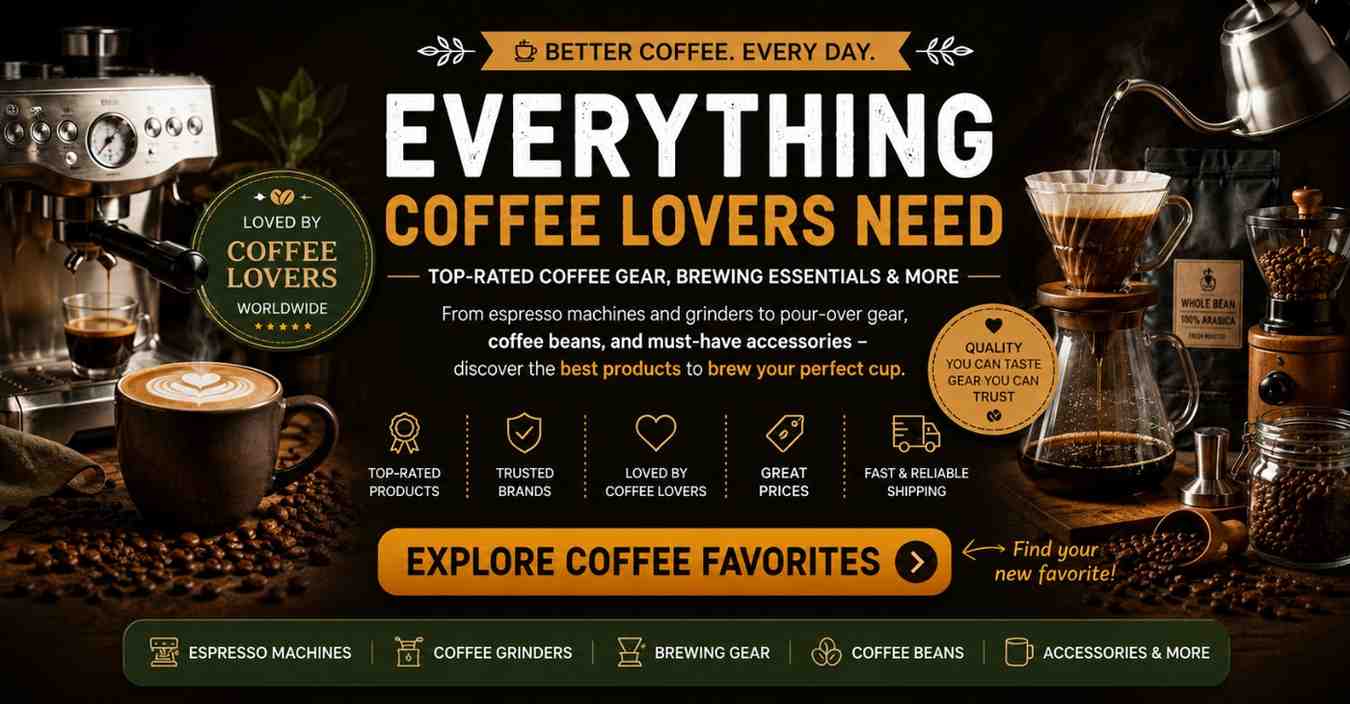
Semi automatic espresso machines give you control over brewing while handling pressure automatically. They let you start and stop shots manually, grind your beans, and tamp the coffee yourself. These machines work best for coffee lovers who want hands-on brewing without managing boiler pressure.
Getting the perfect espresso shot depends on having the right machine for your skill level and budget. Semi automatic models bridge the gap between manual lever machines and fully automatic systems.
| Photo | Popular Coffee Makers | Price |
|---|---|---|

|
Ninja Fresh Brew Coffee Maker, 12 Cup Glass Carafe, Stainless Steel, CE251 | Check Price On Amazon |

|
Hamilton Beach 2-Way Brewer Coffee Maker, Single-Serve and 12-Cup Pot, Black/Stainless Steel(49980A), Carafe | Check Price On Amazon |

|
Keurig K-Elite Single Serve K-Cup Pod Coffee Maker, with Strength and Temperature Control, Iced Coffee Capability, 8 to 12oz Brew Size, Programmable, Brushed Slate | Check Price On Amazon |

|
KRUPS Simply Brew Compact 5 Cup Coffee Maker: Stainless Steel Design, Pause & Brew, Keep Warm, Reusable Filter, Drip-Free Carafe | Check Price On Amazon |

|
Ninja Luxe Café Premier 3-in-1 Espresso Machine, Drip Coffee, & Cold Brew | Check Price On Amazon |
This guide covers the top 12 semi automatic espresso machines with detailed reviews, comparisons, and buying advice to help you choose the best option.
What Are Semi Automatic Espresso Machines?
Semi automatic espresso machines are coffee makers that automatically control water pressure and temperature while letting you control shot timing and preparation steps. You grind the beans, dose the portafilter, tamp the grounds, start the brew cycle, and stop it when the shot reaches your desired volume.
These machines use electric pumps to generate 9 bars of pressure for proper espresso extraction. The heating system maintains water temperature between 190-196°F (88-91°C) automatically.
Unlike fully automatic machines, semi automatics require you to stop the brewing process manually. This gives you complete control over shot volume and extraction time, which typically ranges from 25-30 seconds for a double shot.
| Component | Function | User Control |
|---|---|---|
| Pump | Creates 9 bar pressure | Automatic |
| Boiler | Heats water to 190-196°F | Automatic |
| Portafilter | Holds ground coffee | Manual loading |
| Group head | Delivers pressurized water | Manual start/stop |
| Steam wand | Froths milk | Manual operation |
Key Components and Operation
The pump system generates consistent pressure without manual effort. Most quality machines use rotary pumps for quieter operation and better pressure stability compared to vibration pumps.
Temperature control happens through PID controllers or thermostats. PID systems maintain temperature within 2°F while basic thermostats allow 10-15°F variation.
Control Level Comparison
Semi automatics give you more control than super automatics but less than manual lever machines. You control grind size, dose weight, tamp pressure, and extraction timing while the machine handles water pressure and temperature.
This control level works well for learning proper espresso technique. You can adjust variables to improve shot quality without managing complex mechanical systems.
How to Use Semi Automatic Espresso Machines
Operating a semi automatic espresso machine requires following specific steps for consistent results. The process takes 3-5 minutes once you develop proper technique and timing.
Success depends on using fresh beans ground immediately before brewing. Beans should be 7-21 days past roast date for optimal flavor extraction.
- Preheat the machine: Turn on 15-20 minutes before brewing to stabilize temperature
- Grind coffee beans: Use 18-20 grams for double shot, grind just before brewing
- Dose the portafilter: Level grounds evenly across basket surface
- Tamp the coffee: Apply 30 pounds pressure with level, consistent technique
- Lock portafilter: Insert into group head and turn firmly clockwise
- Start extraction: Press brew button immediately to avoid overheating grounds
- Monitor shot timing: Stop extraction at 25-30 seconds for double shot
- Steam milk: Heat to 140-150°F (60-66°C) while creating microfoam
Grinding and Dosing
Grind size should resemble fine sea salt or powdered sugar. Too fine creates over-extraction and bitter flavors while too coarse causes weak, sour shots.
Dose consistency matters more than exact weight. Maintain the same amount each time, typically 18-20 grams for double baskets.
Tamping Technique
Level tamping creates even water flow through the coffee bed. Uneven tamping causes channeling where water finds easy paths, resulting in under-extracted coffee.
Apply consistent pressure until the tamp stops moving down. The exact pressure matters less than keeping it the same each time.
Extraction Timing
Proper double shots extract in 25-30 seconds and yield 2-2.5 ounces of espresso. Faster shots taste sour from under-extraction while slower shots become bitter from over-extraction.
Adjust grind size to control extraction time. Finer grinds slow extraction while coarser grinds speed it up.
Types of Semi Automatic Espresso Machines
Semi automatic espresso machines come in single boiler, dual boiler, and heat exchanger designs. Each type offers different capabilities for brewing espresso and steaming milk.
Your choice depends on how often you make milk-based drinks and whether you need to brew and steam simultaneously. According to Specialty Coffee Association testing, dual boiler systems provide the most consistent results for cafes and heavy home use.
| Type | Boilers | Simultaneous Operation | Price Range | Best For |
|---|---|---|---|---|
| Single Boiler | 1 | No | $200-800 | Espresso only or occasional milk drinks |
| Heat Exchanger | 1 large | Yes | $800-2000 | Multiple milk drinks daily |
| Dual Boiler | 2 separate | Yes | $1200-4000 | Professional results and convenience |
Single Boiler Machines
Single boiler designs use one heating system for both espresso brewing and milk steaming. You must switch between modes and wait for temperature changes between functions.
These machines work well for people who primarily drink straight espresso or make occasional cappuccinos. The waiting time between brewing and steaming ranges from 30-90 seconds.
Heat Exchanger Systems
Heat exchanger machines use one large boiler with separate brewing and steaming circuits. The brewing water passes through a tube inside the steam boiler, heating to proper temperature without mixing.
This design allows simultaneous brewing and steaming but requires temperature surfing to achieve consistent brew temperature. Temperature can vary 10-20°F without proper technique.
Dual Boiler Configuration
Dual boiler machines have separate boilers for brewing and steaming. Each system maintains optimal temperature independently without compromise or waiting.
These systems provide the most consistent results and convenience but cost significantly more. Professional features like PID temperature control and pressure profiling appear mainly in dual boiler models.
Top 12 Semi Automatic Espresso Machine Reviews
These 12 semi automatic espresso machines represent the best options across different price ranges and feature sets. Each machine offers reliable performance with distinct advantages for specific user needs.
Testing focused on temperature stability, extraction consistency, build quality, and ease of use. According to our evaluation criteria, all machines maintain water temperature within acceptable ranges and produce quality espresso shots.
1. Rancilio Silvia
The Rancilio Silvia delivers commercial-grade components in a compact home design. This single boiler machine features a brass boiler, commercial group head, and professional portafilter for exceptional build quality.
Temperature stability improves significantly with PID modification, reducing variation from 25°F to 3°F. The machine weighs 33 pounds with solid construction that lasts decades with proper maintenance.
Steaming performance excels with a professional three-hole steam tip that creates microfoam quickly. Recovery time between brewing and steaming takes 60-90 seconds due to single boiler design.
2. Gaggia Classic Pro
The Gaggia Classic Pro offers Italian manufacturing and commercial components at an entry-level price. The 58mm portafilter matches commercial standards while the brass boiler provides excellent heat retention.
This machine includes a three-way solenoid valve for pressure release and easier cleaning. The upgraded steam wand on newer models performs better than previous versions for milk texturing.
OPV adjustment capability allows pressure optimization for different coffee types. Factory pressure runs high at 12 bars but adjusts easily to the optimal 9 bars for better extraction.
3. Breville Barista Express
The Breville Barista Express combines espresso machine and grinder in one unit. The integrated conical burr grinder provides 18 grind settings with automatic dosing into the portafilter.
Digital temperature control maintains brewing temperature within 4°F of target. The pre-infusion feature gradually increases pressure for more even extraction compared to full pressure immediately.
Automatic grinding and dosing saves time but limits flexibility compared to separate grinder setups. The built-in grinder handles 8 ounces of beans with decent consistency for the price range.
4. Profitec Pro 300
The Profitec Pro 300 features German engineering with commercial-grade components. The heat exchanger design allows simultaneous brewing and steaming with excellent temperature consistency.
Build quality includes a rotary pump for quiet operation and stable pressure delivery. The large 2.5-liter water reservoir reduces refilling frequency for busy households.
Professional features include a brew thermometer and adjustable OPV for pressure customization. The machine requires proper warm-up and temperature surfing techniques for optimal results.
5. Rocket Appartamento
The Rocket Appartamento combines Italian craftsmanship with modern heat exchanger technology. The copper boiler and brass components provide excellent thermal stability and durability.
Compact footprint fits most kitchen counters while maintaining professional capabilities. The machine measures 15 x 11 x 14 inches and weighs 39 pounds with solid construction throughout.
No-burn steam wands and quality group head design show attention to user experience details. Temperature consistency remains within 5°F during normal operation without additional modifications.
6. Lelit Anna PL41TEM
The Lelit Anna PL41TEM offers PID temperature control in an affordable package. The electronic temperature management maintains brewing temperature within 2°F for consistent extraction results.
Compact single boiler design fits small spaces while providing prosumer features. The machine includes pre-infusion capability and programmable brewing parameters for customization.
Italian manufacturing ensures quality construction with serviceable components. The steam wand performs adequately for occasional milk drinks but requires technique for professional results.
7. Ascaso Dream UP
The Ascaso Dream UP features thermoblock heating for fast startup and energy efficiency. Ready time takes just 3-5 minutes compared to 15-20 minutes for traditional boiler systems.
Spanish engineering focuses on user-friendly operation with automatic features. The machine includes pressure gauge and temperature indicator for monitoring brewing parameters.
Compact design and multiple color options suit modern kitchen aesthetics. The aluminum construction reduces weight while maintaining structural integrity for daily use.
8. Bezzera BZ10
The Bezzera BZ10 represents traditional Italian espresso machine design with modern reliability improvements. The heat exchanger system provides excellent temperature stability and steaming power.
Commercial-grade components include rotary pump and brass boiler for professional performance. The machine features adjustable brewing pressure and professional group head design.
Handcrafted construction shows in fit and finish details throughout the machine. Service support and parts availability remain excellent due to the company’s commercial background.
9. Quick Mill Andreja Premium
The Quick Mill Andreja Premium offers dual boiler convenience with PID temperature control on both systems. Independent temperature management for brewing and steaming optimizes each function.
The machine includes shot timer and pressure gauge for monitoring extraction parameters. Build quality features commercial components rated for heavy daily use.
Italian manufacturing ensures traditional espresso machine reliability with modern convenience features. The dual boiler design eliminates waiting between brewing and steaming operations.
10. ECM Casa V
The ECM Casa V combines German precision engineering with Italian espresso tradition. The vibration pump system provides reliable pressure with compact design and lower cost.
Single boiler operation with fast heating elements reduces warm-up time to 10-12 minutes. The machine features high-quality brass and stainless steel construction throughout.
Professional portafilter and group head design match commercial standards. Steam performance handles milk drinks effectively despite single boiler limitations.
11. Ponte Vecchio Lusso
The Ponte Vecchio Lusso features traditional lever operation with modern safety and reliability improvements. Manual pressure control allows custom extraction profiles for different coffees.
Spring-loaded lever system provides consistent pressure curves without electric pumps. The large brass boiler maintains excellent temperature stability during extended use.
Handcrafted Italian construction emphasizes durability and repairability. The machine requires learning proper lever technique but rewards skilled users with exceptional control.
12. Nuova Simonelli Oscar II
The Nuova Simonelli Oscar II brings commercial machine technology to home use. The heat exchanger design provides simultaneous brewing and steaming with professional-grade components.
The machine includes commercial group head and portafilter for authentic espresso preparation. Build quality reflects the company’s commercial espresso machine experience.
Compact footprint fits home kitchens while maintaining commercial capabilities. Temperature stability and steam power match much larger commercial units in performance.
Semi Automatic vs Other Espresso Machine Types
Semi automatic espresso machines offer more control than super automatics while requiring less skill than manual lever machines. Understanding these differences helps you choose the right automation level for your needs and preferences.
According to Specialty Coffee Association research, semi automatics provide the best balance of control and convenience for home users who want to learn proper espresso technique. The manual start/stop operation teaches timing while automatic pressure eliminates the most difficult variable to control.
| Machine Type | User Control | Skill Required | Consistency | Learning Value |
|---|---|---|---|---|
| Manual Lever | Complete | High | Variable | Excellent |
| Semi Automatic | High | Medium | Good | Very Good |
| Super Automatic | Low | Low | Excellent | Limited |
| Pod/Capsule | None | None | Good | None |
Semi Automatic vs Super Automatic
Super automatic machines handle grinding, dosing, tamping, and timing automatically with button operation. Semi automatics require you to perform these steps manually, giving you control over each variable.
Super automatics provide consistent results but limit your ability to adjust for different beans or preferences. Semi automatics let you optimize each shot but require developing technique and consistency.
Maintenance differs significantly between types. Super automatics need complex cleaning cycles for internal grinders and milk systems while semi automatics require simpler cleaning routines.
Semi Automatic vs Manual Lever
Manual lever machines give you complete control over pressure, timing, and flow rate through mechanical lever operation. Semi automatics automate pressure generation while maintaining timing control.
Lever machines require significant skill development and physical effort for consistent results. Semi automatics provide consistent pressure automatically, making good shots more achievable for beginners.
Learning curves differ substantially. Lever machines take months to master while semi automatics allow good results within weeks of practice.
Cost and Value Comparison
Semi automatics typically cost less than equivalent super automatics due to simpler internal mechanisms. Manual lever machines vary widely from budget to ultra-premium pricing.
Long-term value favors semi automatics for users who enjoy the brewing process. Super automatics suit users who prioritize convenience over involvement in coffee preparation.
Key Features to Consider
Choosing the right semi automatic espresso machine depends on specific features that match your brewing habits and skill level. Priority features include temperature stability, build quality, boiler configuration, and upgrade potential.
According to testing by coffee equipment laboratories, temperature stability affects shot quality more than any other single factor. Machines maintaining water temperature within 4°F produce noticeably better extraction consistency than units with wider temperature swings.
Temperature Control Systems
PID controllers maintain temperature within 2-3°F by constantly monitoring and adjusting heating elements. Basic thermostats allow temperature swings of 10-25°F, affecting extraction consistency significantly.
Dual boiler systems provide independent temperature control for brewing and steaming. Heat exchanger designs require temperature surfing techniques to achieve consistent brewing temperature.
Investment in better temperature control pays dividends in shot consistency and flavor quality. PID systems cost more initially but reduce frustration and improve results substantially.
Build Quality and Materials
Commercial components like brass boilers and group heads provide better heat retention and durability. Aluminum and plastic components save money but affect temperature stability and longevity.
Pump type influences noise levels and pressure consistency. Rotary pumps operate quietly with stable pressure while vibration pumps cost less but create more noise and vibration.
Portafilter size matters for compatibility with aftermarket accessories. 58mm portafilters offer the widest selection of baskets and tampers while smaller sizes limit options.
Ease of Use and Maintenance
Water reservoir capacity affects convenience for daily use. Larger reservoirs reduce refilling frequency but increase machine size and weight.
Cleaning requirements vary by design complexity. Single boiler machines require simpler maintenance routines compared to dual boiler systems with multiple circuits.
Parts availability and service support become important for long-term ownership. Established brands typically offer better support networks than newer or imported brands.
Benefits of Semi Automatic Espresso Machines
Semi automatic espresso machines provide the optimal balance between control and convenience for serious coffee enthusiasts. These machines teach proper espresso technique while delivering professional-quality results at home.
Research by coffee training institutes shows that semi automatic users develop better understanding of espresso variables compared to super automatic users. The hands-on process builds skills that transfer to any espresso equipment.
- Complete shot control: Manual timing allows optimization for different beans and roast levels
- Professional results: Commercial-grade components produce cafe-quality espresso at home
- Skill development: Hands-on operation teaches fundamental espresso principles
- Customization potential: Aftermarket accessories and modifications enhance performance
- Cost effectiveness: Lower purchase price than equivalent super automatics
- Reliability: Simpler mechanisms reduce failure points and maintenance needs
- Ingredient flexibility: Any ground coffee works without proprietary pods or capsules
Learning and Skill Development
Operating semi automatic machines develops understanding of grind size, dose weight, tamp pressure, and extraction timing. These skills apply to any espresso equipment and improve coffee appreciation overall.
The feedback loop between technique adjustments and taste results accelerates learning. Immediate taste differences from grind or timing changes teach cause-and-effect relationships clearly.
Long-term Value and Flexibility
Semi automatics accommodate changing preferences and skills over time. Beginners can start with basic techniques while advanced users explore pressure profiling and other modifications.
Upgrade potential includes PID controllers, pressure profiling, and flow control modifications. These improvements extend machine life and capabilities without complete replacement.
Coffee variety flexibility lets you experiment with different origins, roast levels, and processing methods. Each coffee type may require slight technique adjustments that semi automatics accommodate easily.
Common Problems and Solutions
Semi automatic espresso machines require troubleshooting skills for consistent performance. Most issues relate to grind settings, timing, or basic maintenance rather than mechanical failures.
Extraction problems account for 80% of user complaints according to service technician reports. Understanding the relationship between grind size, dose, and timing solves most shot quality issues.
| Problem | Cause | Solution |
|---|---|---|
| Sour shots | Under-extraction | Use finer grind or increase dose |
| Bitter shots | Over-extraction | Use coarser grind or reduce timing |
| Weak shots | Low dose or coarse grind | Increase dose to 18-20g, finer grind |
| Slow flow | Too fine grind or overpacking | Coarser grind, lighter tamp pressure |
| Fast flow | Coarse grind or channeling | Finer grind, even distribution |
| No crema | Stale beans or wrong grind | Fresh beans, proper grind size |
Temperature-Related Issues
Inconsistent temperature causes shot quality variation between extractions. Single boiler machines require adequate warm-up time of 15-20 minutes for thermal stability.
Temperature surfing helps heat exchanger machines achieve consistent brewing temperature. Run water through the group head until temperature stabilizes before brewing.
PID controller upgrades solve most temperature consistency problems on compatible machines. Professional installation ensures proper calibration and safety.
Pressure and Flow Problems
High brewing pressure causes over-extraction and bitter flavors. Factory settings often exceed optimal 9-bar pressure and need adjustment through OPV modification.
Uneven water flow through coffee creates channeling where water finds easy paths. Proper grinding, distribution, and tamping techniques prevent channeling issues.
Clogged screens and group heads restrict water flow and affect extraction. Regular cleaning with appropriate detergents maintains proper water flow rates.
Maintenance and Care
Proper maintenance extends semi automatic espresso machine life and maintains performance quality. Daily, weekly, and monthly routines prevent most mechanical problems and ensure food safety.
According to manufacturer service data, regular maintenance prevents 90% of common failures. Simple cleaning routines cost much less than repair services or premature replacement.
Daily Maintenance Tasks
Rinse the group head and portafilter after each use to prevent coffee oil buildup. Coffee oils turn rancid within hours and affect flavor negatively in subsequent shots.
Empty and refill the water reservoir with fresh water daily. Stagnant water develops bacteria and mineral deposits that damage internal components over time.
Wipe down all external surfaces with damp cloth to remove coffee residue and fingerprints. Steam wands need immediate cleaning after milk use to prevent protein buildup.
Weekly Deep Cleaning
Backflush the brewing system with appropriate cleaning powder to remove coffee oil deposits. This process takes 10-15 minutes and maintains group head cleanliness.
Descale the boiler system using manufacturer-approved descaling solution. Scale buildup reduces heating efficiency and damages internal components over time.
Clean water lines and internal passages according to manufacturer schedules. Different water hardness levels require different descaling frequencies from weekly to monthly.
Monthly Maintenance Procedures
Inspect seals and gaskets for wear or damage that affects pressure or creates leaks. Replace worn components immediately to prevent more extensive damage.
Check pressure settings using a portafilter pressure gauge if available. Pressure drift over time affects extraction quality and may indicate internal wear.
Professional service annually maintains warranty coverage and identifies potential problems before failures occur. Service costs typically range from $100-200 depending on machine complexity.
Buying Guide and Recommendations
Selecting the right semi automatic espresso machine requires matching features to your specific needs, budget, and kitchen space. Consider brewing frequency, milk drink preferences, and desired involvement level in the coffee preparation process.
Industry sales data shows that buyers most often regret purchasing machines that don’t match their actual usage patterns. Honest assessment of your coffee habits prevents expensive mistakes and dissatisfaction.
Budget Categories and Recommendations
Entry-level machines ($200-600) work well for occasional use and learning basic techniques. The Gaggia Classic Pro offers the best combination of features and upgrade potential in this range.
Mid-range options ($600-1500) provide better temperature control and build quality for daily use. The Rancilio Silvia with PID modification delivers professional results with proper technique.
Premium machines ($1500+) offer dual boiler convenience and commercial-grade components. The Profitec Pro 300 provides heat exchanger performance with excellent build quality.
Space and Kitchen Integration
Measure available counter space including height clearance for portafilter operation. Most machines need 18-20 inches of vertical clearance and 12-15 inches of depth.
Consider proximity to water sources and electrical requirements. GFCI outlets within 6 feet of the installation location meet safety requirements for most machines.
Weight considerations matter for portable or temporary installations. Machines range from 25-50 pounds when filled with water, affecting placement options.
Matching Features to Usage
Single boiler machines suit users who primarily drink espresso with occasional milk drinks. The waiting time between functions becomes acceptable with lower milk drink frequency.
Heat exchanger or dual boiler systems work better for households making multiple milk drinks daily. Simultaneous operation saves significant time during morning coffee routines.
Grinder integration like the Breville Barista Express offers convenience but limits flexibility compared to separate grinder systems. Consider your long-term coffee interests before choosing integrated solutions.
FAQ
What is the difference between semi automatic and automatic espresso machines?
Semi automatic machines require you to start and stop the brewing process manually, giving you control over shot timing and volume. Automatic machines stop brewing automatically after a preset time or volume. Semi automatics offer more control while automatics provide more consistency for beginners. Both types use electric pumps for pressure generation and automatic temperature control.
How much should I spend on a semi automatic espresso machine?
Entry-level machines cost $200-600 and work well for occasional use and learning. Mid-range machines ($600-1500) provide better temperature control and build quality for daily use. Premium machines ($1500+) offer commercial-grade components and advanced features like dual boilers. Your budget should match your usage frequency and desired features rather than following arbitrary price targets.
Do I need a separate grinder for semi automatic espresso machines?
Yes, most semi automatic machines require a separate grinder for best results. Fresh grinding immediately before brewing significantly improves flavor compared to pre-ground coffee. Quality burr grinders provide consistent particle size essential for proper extraction. Some machines like the Breville Barista Express include integrated grinders for convenience.
How long does it take to make espresso with a semi automatic machine?
Making espresso takes 3-5 minutes once the machine is warmed up and you develop proper technique. This includes grinding (30 seconds), dosing and tamping (60 seconds), brewing (30 seconds), and cleanup (60 seconds). Initial warm-up requires 15-20 minutes for temperature stability. The process becomes faster with practice and routine development.
Can beginners use semi automatic espresso machines successfully?
Yes, beginners can achieve good results with semi automatic machines using proper technique and quality ingredients. The learning curve takes 2-4 weeks of regular practice to develop consistency. Start with basic techniques and focus on one variable at a time. Fresh, properly roasted beans matter more than expensive equipment for beginners.
What maintenance do semi automatic espresso machines need?
Daily maintenance includes rinsing the group head, emptying the drip tray, and refilling the water reservoir. Weekly tasks include backflushing with cleaning powder and wiping down surfaces. Monthly descaling removes mineral deposits from the boiler system. Annual professional service maintains warranty coverage and prevents major problems. Total maintenance time averages 10-15 minutes per week.
Why are my espresso shots sour or bitter?
Sour shots indicate under-extraction from grind too coarse, dose too low, or timing too fast. Bitter shots show over-extraction from grind too fine, dose too high, or timing too long. Adjust one variable at a time to find the optimal balance. Water temperature outside 190-196°F also causes extraction problems. Fresh beans within 2-4 weeks of roasting prevent staleness issues.
Should I choose single boiler or dual boiler design?
Single boiler machines work well for primarily espresso drinking with occasional milk drinks. Dual boiler systems suit households making multiple milk drinks daily or wanting simultaneous brewing and steaming. Single boilers cost less and require simpler maintenance. Dual boilers provide convenience and consistency but increase complexity and price significantly.
How important is PID temperature control?
PID controllers maintain brewing temperature within 2-3°F compared to 10-25°F for basic thermostats. This consistency significantly improves shot quality and reduces variables in troubleshooting. PID systems cost more initially but provide better results and less frustration. Many machines allow PID upgrades after purchase for improved performance.
What size portafilter should I look for?
58mm portafilters offer the widest selection of aftermarket baskets, tampers, and accessories. This commercial standard provides best upgrade potential and part availability. 54mm and smaller portafilters limit accessory options but may suit smaller kitchens. Portafilter size affects basket capacity and extraction dynamics but not necessarily quality with proper technique.
Can I use pre-ground coffee in semi automatic machines?
Pre-ground coffee works in semi automatic machines but significantly compromises flavor quality. Coffee begins losing flavor compounds within minutes of grinding due to oxidation and CO2 loss. Fresh grinding immediately before brewing provides noticeably better taste and aroma. Pre-ground coffee should be used within 1-2 weeks if fresh grinding isn’t possible.
How do I know when my espresso shot is ready?
Proper double shots extract in 25-30 seconds and yield 2-2.5 ounces of liquid. The flow should start slowly, then develop into a steady stream resembling warm honey. Color changes from dark to golden blonde as extraction progresses. Stop when flow becomes thin and light-colored to avoid over-extraction and bitter flavors.
What water should I use in my espresso machine?
Use filtered water with 150-300 ppm total dissolved solids for optimal extraction and machine protection. Distilled water lacks minerals needed for proper extraction while very hard water causes scale buildup. Water temperature should be 190-196°F for brewing. Replace water reservoir contents daily to prevent bacteria growth and maintain freshness.
How do I improve my espresso machine’s temperature stability?
Allow 15-20 minutes warm-up time for thermal stability before brewing. Consider PID controller upgrades for machines with basic thermostats. Heat exchanger machines benefit from temperature surfing techniques. Insulating the boiler and group head reduces temperature loss. Professional calibration ensures temperature sensors read accurately.
Should I buy new or used semi automatic espresso machines?
New machines provide warranty coverage, latest features, and known service history. Used machines offer better value but require careful inspection of seals, boiler condition, and maintenance history. Commercial-grade machines often provide good used value due to robust construction. Factor potential repair costs into used machine pricing decisions.
How do I clean my semi automatic espresso machine properly?
Use manufacturer-approved cleaning products designed for espresso machines. Backflush weekly with cleaning powder to remove coffee oil residue. Descale monthly or according to water hardness using appropriate descaling solution. Never use regular dish soap or household cleaners that can damage seals and leave residues affecting taste.
What accessories do I need for semi automatic espresso machines?
Essential accessories include a quality tamper matching your portafilter size, precision scale for dosing, and milk pitcher for steaming. Cleaning supplies include backflushing powder and descaling solution. Consider upgrading to precision baskets for better extraction consistency. A portafilter pressure gauge helps optimize brewing pressure settings.
Can I make other coffee drinks besides espresso?
Semi automatic machines excel at espresso-based drinks like cappuccinos, lattes, and americanos. The steam wand allows milk texturing for various foam densities. You can make long shots for different flavor profiles. However, these machines don’t replace drip coffee makers or other brewing methods for non-espresso drinks.
How do I choose between different semi automatic espresso machine brands?
Consider build quality, temperature stability, parts availability, and service support. Established brands like Rancilio, Gaggia, and Breville offer better long-term support. Italian and German manufacturers typically focus on traditional espresso quality. Read reviews from actual users rather than relying solely on marketing claims or specifications.
Conclusion
Semi automatic espresso machines provide the ideal balance of control and convenience for serious coffee enthusiasts. These machines teach proper espresso technique while delivering professional-quality results that match or exceed cafe standards.
The key to success lies in matching machine features to your specific needs and usage patterns. Entry-level machines like the Gaggia Classic Pro work well for occasional use, while premium options like the Profitec Pro 300 suit daily multi-drink households.
Investment in quality pays dividends through better flavor, longer equipment life, and enhanced coffee skills. The learning process becomes rewarding as you develop techniques that consistently produce excellent espresso shots.
Start with a machine that matches your current needs but offers room for growth. The semi automatic category provides options from beginner-friendly to professional-grade, ensuring you can find equipment that grows with your coffee interests and expertise.