
Brazilian coffee represents the world’s largest coffee-producing nation, contributing approximately 40% of global coffee supply with distinct regional variations that create dramatically different flavor profiles. These coffees range from full-bodied, chocolatey Santos beans to bright, fruity Cerrado varieties, making Brazil’s diverse growing regions essential knowledge for coffee enthusiasts seeking specific taste experiences.
What Makes Brazilian Coffee Unique Among Global Origins?
Brazilian coffee distinguishes itself through processing diversity and geographic scale that no other origin matches. While most coffee-producing countries rely on a single processing method, Brazil utilizes natural, semi-washed, and fully washed processing across different regions, creating flavor profiles spanning from wine-like fruitiness to clean chocolate notes.
| Photo | Popular Coffee Makers | Price |
|---|---|---|
|
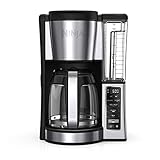
Ninja Fresh Brew Coffee Maker, 12 Cup Glass Carafe, Stainless Steel, CE251 | Programmable, Classic & Rich brew, 70-oz. Removable Water Reservoir, Small Batch, 24-hr Delay Brew, Adjustable Warming Plate | Check Price On Amazon |

|
Hamilton Beach 2-Way Programmable Coffee Maker & Single Serve Coffee Maker | 12 Cup Glass Carafe | Black with Stainless Steel Accents | 49980RG | Check Price On Amazon |

|
Keurig K-Elite Single Serve K-Cup Pod Coffee Maker, Brushed Slate | Strength and Temperature Control, Iced Coffee Capability, 8 to 12oz Brew Size, Programmable | Check Price On Amazon |

|
KRUPS Simply Brew Compact 5 Cup Coffee Maker: Stainless Steel Design, Pause & Brew, Keep Warm, Reusable Filter, Drip-Free Carafe | Check Price On Amazon |

|
Ninja® Luxe Café Premier 3-in-1 Espresso Machine, Stainless Steel, ES601 | Guided Barista Assist Technology for consistent results, dual froth system for hot or cold microfoam | Check Price On Amazon |
The country’s vast territory encompasses multiple microclimates, from the high-altitude Cerrado plateaus at 1,000-1,300 meters to the lower-elevation Mogiana hills at 800-1,200 meters. This geographic diversity produces beans with dramatically different density, acidity levels, and flavor development characteristics that distinguish Brazilian coffee from single-climate origins like Jamaica or Ethiopia.
Brazil’s mechanized harvesting system, unique among major coffee producers, affects bean consistency and flavor development. Strip-picking machines harvest entire branches simultaneously, creating mixed-ripeness lots that contribute to Brazil’s characteristic full body and lower acidity profile compared to hand-picked single origin coffees from smaller producing regions.
Brazilian Coffee Growing Regions and Their Flavor Characteristics
Brazil’s coffee production spans six primary regions, each producing distinctive flavor profiles based on altitude, soil composition, and processing methods. These regional differences create predictable taste characteristics that help roasters and consumers select beans matching their flavor preferences.
Cerrado Region
The Cerrado plateau produces Brazil’s highest-scoring specialty coffees, with elevations ranging from 1,000-1,300 meters and distinct wet/dry seasons. Cerrado coffees exhibit bright acidity (pH 4.85-5.10), medium body, and citrus-chocolate flavor notes with clean finish characteristics.
This region’s consistent climate and mechanized production methods result in uniform bean density (650-700 kg/m³) and moisture content (10.5-11.5%). Cerrado beans develop evenly during roasting, making them excellent for light to medium roast profiles that preserve origin characteristics and natural sweetness.
Mogiana Region
Mogiana, located between São Paulo and Minas Gerais states, produces full-bodied coffees with pronounced chocolate and nut flavor profiles. Elevations range from 800-1,200 meters with red clay soils that contribute to the region’s characteristic heavy body and low acidity (pH 5.20-5.40).
These coffees excel in medium-dark to dark roast applications, developing caramel sweetness and roasted nut flavors without bitterness. Mogiana beans typically require development time ratios of 22-25% during roasting to achieve optimal flavor balance and body extraction.
Sul de Minas
Sul de Minas produces Brazil’s largest volume of specialty-grade coffee, with elevations from 700-1,100 meters and diverse microclimates. The region’s coffees display balanced acidity (pH 5.00-5.25), medium to full body, and flavor profiles ranging from chocolate-caramel to fruity-floral depending on processing method.
Natural process Sul de Minas coffees develop wine-like fruitiness and heavy body, while washed process variations produce cleaner chocolate and caramel notes similar to Central American profiles. This processing diversity makes Sul de Minas suitable for espresso blends and single-origin applications.
Brazilian Coffee Processing Methods and Flavor Impact
Brazil pioneered the semi-washed (pulped natural) processing method and utilizes three primary processing techniques that significantly influence final cup quality and flavor development. Processing method selection depends on regional climate, farm infrastructure, and target market preferences.
Natural Process (Dry Process)
Natural processing, historically Brazil’s dominant method, involves drying whole cherries on patios or raised beds for 2-3 weeks until moisture reaches 11-12%. This method produces full-bodied coffees with wine-like fruitiness, heavy mouthfeel, and lower acidity compared to washed alternatives.
Natural process Brazilian coffees develop complex sweetness during the 15-21 day drying period, as fruit sugars penetrate the bean structure. However, this method requires careful moisture monitoring and frequent turning to prevent over-fermentation, which can create harsh or overly funky flavors that mask origin characteristics.
Semi-Washed Process (Pulped Natural)
The semi-washed method, developed in Brazil during the 1990s, removes cherry skin while leaving mucilage attached during drying. This hybrid approach produces coffees with natural process body and sweetness combined with improved clarity and reduced earthiness.
Semi-washed Brazilian coffees display chocolate-caramel flavor profiles with moderate fruit notes and balanced acidity (pH 5.10-5.30). The process reduces drying time to 10-15 days compared to natural processing while maintaining the full body characteristics that define quality Brazilian coffee.
Washed Process (Wet Process)
Fully washed Brazilian coffees, primarily from higher-altitude regions like Cerrado, undergo complete mucilage removal through fermentation or mechanical washing. This method produces the cleanest cup profiles with prominent acidity, medium body, and distinct terroir expression.
Washed processing requires 24-48 hours fermentation time followed by 7-10 days drying, resulting in moisture content of 10.5-11.5% and consistent bean appearance. These coffees work excellently for pour-over brewing methods that highlight clarity and brightness rather than body and sweetness.
Flavor Profile and Tasting Notes of Brazilian Coffee
Brazilian coffee flavor profiles vary dramatically by region and processing method, but generally feature lower acidity, fuller body, and pronounced chocolate-nut characteristics compared to African or Central American origins. Understanding these baseline characteristics helps predict brewing behavior and roasting requirements.
| Processing Method | Acidity Level | Body | Primary Flavors | Secondary Notes |
|---|---|---|---|---|
| Natural | Low (pH 5.20-5.40) | Full to Heavy | Chocolate, Brown Sugar | Wine, Fruit, Earthiness |
| Semi-Washed | Medium-Low (pH 5.10-5.30) | Medium-Full | Caramel, Nuts | Chocolate, Mild Fruit |
| Washed | Medium (pH 4.85-5.10) | Medium | Chocolate, Citrus | Floral, Clean Finish |
Natural Process Flavor Development
Natural process Brazilian coffees develop intense sweetness and fruit-forward characteristics during extended cherry drying periods. These coffees typically display brown sugar sweetness, wine-like acidity, and heavy body with flavor notes including dark chocolate, raisin, cherry, and sometimes tropical fruit overtones.
The extended fruit contact time creates complex fermentation byproducts that contribute to natural process coffees’ distinctive “funky” or wine-like character. However, quality natural process Brazilian coffees balance this fruitiness with clean chocolate and caramel base notes rather than overwhelming earthiness or mustiness.
Washed Process Clarity
Washed Brazilian coffees, particularly from Cerrado and higher-altitude Mogiana farms, produce exceptionally clean cups with pronounced terroir expression. These coffees feature bright citrus acidity balanced with chocolate sweetness, medium body, and floral aromatic compounds.
The complete mucilage removal during washed processing allows the bean’s inherent characteristics to express clearly without fermentation interference. This results in coffees suitable for light roast applications that preserve origin acidity and aromatics while maintaining Brazil’s characteristic chocolate undertones.
Best Roast Levels for Brazilian Coffee Beans
Brazilian coffee beans perform excellently across all roast levels due to their dense structure and balanced sugar content, but optimal roast depth depends on processing method and intended brewing application. Understanding these relationships ensures maximum flavor development and prevents over or under-extraction issues.
Light Roast Applications (385-405°F Drop Temperature)
Light roasted Brazilian coffees work best with washed process beans from high-altitude regions like Cerrado, where natural acidity and floral characteristics can express without heavy body overwhelming delicate flavors. Target development time ratios of 20-22% to preserve brightness while developing sweetness.
Light roasted natural process Brazilian coffees often become overly acidic or sour due to incomplete Maillard reaction development combined with fruit acids from cherry fermentation. These beans require medium roast minimum to balance acidity with caramelization sweetness.
Medium Roast Optimization (410-425°F Drop Temperature)
Medium roasting produces optimal flavor development for most Brazilian coffees, particularly semi-washed and natural process varieties. This roast level develops chocolate and caramel flavors while maintaining origin characteristics and preventing excessive body that can create muddy extractions.
Target development time ratios of 22-25% for Brazilian beans, slightly longer than African origins due to higher density and moisture content. Medium roasted Brazilian coffee extracts optimally at 18-22% yield with balanced sweetness, moderate acidity, and full body characteristics.
Dark Roast Considerations (430-450°F Drop Temperature)
Brazilian coffees excel in dark roast applications due to their low initial acidity and high sugar content, which prevents excessive bitterness during extended development. Natural and semi-washed process beans develop rich chocolate, caramel, and roasted nut flavors with minimal origin character loss.
Dark roasted Brazilian beans work excellently in espresso applications, providing crema stability and body foundation for milk-based drinks. However, extend development time ratios to 25-28% to ensure complete sugar caramelization and prevent harsh or astringent flavors from under-developed roasted compounds.
History and Cultural Significance of Brazilian Coffee
Brazilian coffee history began in 1727 when Francisco de Melo Palheta smuggled coffee seeds from French Guiana, establishing plantations that would eventually dominate global coffee production. The crop expanded rapidly through the 19th century, driven by ideal growing conditions and abundant land availability in São Paulo and Minas Gerais states.
Coffee became Brazil’s primary economic driver during the 1800s, contributing up to 60% of national export revenue and financing railroad construction, port development, and industrial expansion. The “Coffee Barons” period established large fazenda (plantation) systems that defined Brazilian coffee production methods and quality standards that persist today.
Modern Brazilian Coffee Industry
Contemporary Brazilian coffee production emphasizes technological innovation and sustainability practices while maintaining the volume leadership established over two centuries. The country produces approximately 2.6 million metric tons annually, with 20-25% classified as specialty grade compared to 5-10% in the 1980s.
Brazilian coffee cooperatives, particularly in Cerrado and Sul de Minas regions, provide quality control systems, direct trade relationships, and agricultural financing that enable small farmers to compete in specialty markets. These cooperatives maintain strict grading standards and processing protocols that ensure consistent quality despite mechanized harvesting methods.
Notable Brazilian Coffee Farms and Cooperatives
Brazil’s coffee industry includes both large-scale fazendas and smaller cooperative-organized farms that produce distinctive specialty-grade coffees with traceable quality standards. These producers implement advanced agricultural practices and direct trade relationships that elevate Brazilian coffee beyond commodity-grade perceptions.
Fazenda Santa Ines
Located in Cerrado’s core region, Fazenda Santa Ines spans 1,200 hectares at 1,150-1,300 meters elevation, producing exclusively specialty-grade washed and natural process coffees. The farm utilizes precision agriculture techniques including GPS-guided harvesting and moisture monitoring systems that ensure optimal cherry selection and processing timing.
Santa Ines consistently scores 84-88 points on the SCA cupping scale, with their washed coffees displaying bright citrus acidity and chocolate sweetness. The farm’s natural process lots develop complex fruit and wine characteristics while maintaining clean finish profiles that distinguish quality Brazilian naturals from earthy or funky alternatives.
COOXUPE Cooperative
COOXUPE, Brazil’s largest coffee cooperative with 13,000 member farms, manages quality control systems that elevate small-farm production to specialty standards. The cooperative provides centralized processing facilities, quality assessment laboratories, and direct export services that enable member farms to access premium market pricing.
The cooperative’s strict quality protocols require moisture content between 10.5-11.5%, defect counts below 5 per 300g sample, and cupping scores above 80 points for specialty classification. COOXUPE’s volume and consistency make them a reliable source for high-quality Brazilian coffee with traceable farm-level information.
Brazilian Coffee Grading System and Quality Indicators
Brazil employs a comprehensive grading system based on screen size, defect count, cup quality, and physical appearance that provides detailed quality assessment beyond basic commodity classifications. Understanding this system helps buyers predict coffee performance and select appropriate lots for specific applications.
Screen Size Classification
Brazilian coffee screen sizes range from 12 (4.76mm) to 19 (7.54mm), with specialty grades requiring 90% retention on screen 15 or larger. Higher screen sizes indicate denser beans that roast more evenly and extract more consistently, making them preferred for single-origin and espresso applications.
| Screen Size | Diameter (mm) | Grade Classification | Typical Applications |
|---|---|---|---|
| 19 | 7.54 | Extra Large | Premium Single Origin |
| 17/18 | 6.75-7.14 | Large | Specialty/Espresso |
| 15/16 | 5.95-6.35 | Standard | Commercial Specialty |
| 13/14 | 5.16-5.56 | Small | Commercial Blends |
Defect Count and Cup Quality
Brazilian grading system counts primary defects (black beans, sour beans, insect damage) and secondary defects (broken beans, shell, discoloration) per 300-gram sample. Specialty grade requires fewer than 5 primary defects and total defect count below 15 per sample.
Cup quality assessment follows SCA protocols with evaluation of fragrance/aroma, flavor, aftertaste, acidity, body, balance, and overall impression. Brazilian specialty coffees typically score 80-88 points, with exceptional lots reaching 90+ scores in good crop years with optimal processing conditions.
Harvest Seasons and Bean Freshness
Brazilian coffee harvest occurs from May through September, with peak harvest during June-August depending on regional elevation and microclimate variations. Understanding harvest timing helps buyers secure fresh crop coffee and optimize roasting schedules for maximum flavor development and shelf life.
Regional Harvest Timing
Cerrado region begins harvest in May due to higher elevation and cooler temperatures, while lower-altitude regions like parts of Sul de Minas complete harvest by July. Natural process coffees require additional 2-3 weeks drying time compared to washed varieties, extending availability of fresh crop beans through October-November.
New crop Brazilian coffee typically ships from origin during August-December, arriving at international destinations with 2-4 weeks transit time. Optimal roasting window for Brazilian coffee spans 2-18 months post-harvest, with proper storage maintaining quality characteristics throughout this period.
Storage and Freshness Considerations
Brazilian coffee maintains quality longer than many origins due to lower moisture content (10.5-11.5%) and denser bean structure that resists staleness. However, natural process coffees lose fruit characteristics more rapidly than washed varieties, making them best consumed within 12 months of harvest.
Proper storage at 60-70°F with 60% relative humidity preserves Brazilian coffee quality for 12-18 months, significantly longer than delicate African origins. This stability makes Brazilian coffee excellent for year-round blending and consistent flavor profiles in commercial applications.
Brewing Recommendations for Brazilian Coffee
Brazilian coffee’s full body and lower acidity respond well to brewing methods that emphasize extraction uniformity and body development rather than brightness enhancement. Optimal brewing parameters vary by processing method and roast level but generally favor longer contact times and moderate temperatures.
Espresso Brewing Parameters
Brazilian coffee excels in espresso applications due to natural body and crema production characteristics. Target 18-20g doses with 32-38g liquid output extracted in 28-35 seconds at 200-203°F water temperature for optimal flavor balance and mouthfeel development.
Natural process Brazilian beans may require coarser grinding than expected due to higher density and oil content that can slow extraction flow. Semi-washed and washed varieties extract more predictably with traditional espresso grinding and timing parameters.
Pour-Over and Drip Coffee Methods
Brazilian coffee works excellently in pour-over and drip brewing methods that highlight body and chocolate characteristics while maintaining clarity. Use 1:15 to 1:17 coffee-to-water ratios with 200-205°F water temperature and 4-6 minute total extraction time.
Medium-coarse grinding (800-1000 microns) optimizes extraction for Brazilian coffee’s density and structure. Bloom for 45 seconds with 2x coffee weight in water, then continue with steady pouring technique to achieve 18-22% extraction yield and balanced flavor development.
French Press and Immersion Methods
Brazilian coffee’s full body and low acidity make it ideal for French press brewing, which emphasizes these characteristics while minimizing harsh extraction. Use coarse grinding (1000-1200 microns) with 1:12 to 1:15 ratios and 4-minute steeping time at 200°F water temperature.
Natural process Brazilian coffees develop excellent complexity in French press applications, with fruit sweetness balancing chocolate base notes during extended immersion contact. Press slowly and serve immediately to prevent over-extraction and bitterness development.
Food Pairing Suggestions for Brazilian Coffee
Brazilian coffee’s chocolate and caramel flavor characteristics pair excellently with complementary and contrasting foods that enhance rather than compete with these base notes. The full body and lower acidity accommodate both sweet and savory pairing opportunities.
Dessert and Sweet Pairings
Dark chocolate desserts, caramel-based pastries, and nut-forward baked goods complement Brazilian coffee’s natural flavor profile. The coffee’s chocolate undertones enhance cocoa flavors in brownies, chocolate cake, and tiramisu while providing balance to sweet preparations.
Fruit-based desserts pair well with natural process Brazilian coffees, where wine-like characteristics bridge coffee and fruit flavors. Avoid overly bright or acidic fruits that clash with Brazilian coffee’s mellow acidity profile.
Savory Food Combinations
Brazilian coffee pairs excellently with rich, savory breakfast foods including bacon, sausage, and cheese-based dishes. The coffee’s full body stands up to substantial foods while its lower acidity prevents flavor conflicts with fatty or salty preparations.
Grilled meats, particularly beef and pork, complement Brazilian coffee’s roasted characteristics and body. The Maillard reaction flavors in both grilled proteins and medium-dark roasted Brazilian coffee create harmonious flavor bridges that enhance both components.
Where to Buy Authentic Brazilian Coffee Beans
Authentic Brazilian coffee requires sourcing from reputable importers and roasters who maintain direct trade relationships with farms and cooperatives. Quality indicators include harvest date information, processing method specification, and farm-level traceability that ensures genuine origin and freshness.
Specialty Coffee Roasters
Local specialty coffee roasters often feature seasonal Brazilian offerings with detailed origin information and roast date transparency. These sources provide optimal freshness (roasted within 2-14 days) and knowledgeable staff who can recommend specific lots based on brewing method and flavor preferences.
Look for roasters who specify region, farm name, processing method, and harvest year on packaging. Avoid generic “Brazilian coffee” labels that lack origin detail, as these typically represent commodity-grade blends rather than traceable single-origin lots.
Direct Trade and Online Sources
Several Brazilian cooperatives and farms offer direct-to-consumer sales through online platforms, providing maximum freshness and competitive pricing. COOXUPE, Fazenda Santa Ines, and other notable producers maintain export programs that ship green beans directly to home roasters.
Online specialty coffee retailers like Sweet Maria’s Coffee Supply, Counter Culture Coffee, and Intelligentsia offer carefully curated Brazilian selections with detailed tasting notes and origin information. These sources provide consistent quality and educational resources that help buyers understand Brazilian coffee diversity.
Price Range and Value Considerations
Brazilian coffee prices vary significantly based on grade, processing method, and farm reputation, ranging from $4-6 per pound for commercial specialty grades to $15-25 per pound for award-winning microlot offerings. Understanding price factors helps buyers optimize value while securing desired quality levels.
Commercial Specialty Pricing
High-quality Brazilian coffee from established cooperatives typically costs $6-10 per pound for roasted beans, providing excellent value for daily consumption while maintaining specialty-grade standards. These offerings feature consistent quality, proper grading, and sufficient origin information for informed purchasing decisions.
Semi-washed and natural process Brazilian coffees command slight premiums over washed varieties due to processing complexity and flavor distinctiveness. Expect 10-20% higher pricing for natural process lots with clean fruit characteristics and balanced sweetness development.
Premium and Microlot Pricing
Exceptional Brazilian coffee from renowned farms or competition-winning lots commands premium pricing of $12-25 per pound, comparable to prestigious origins like Jamaican Blue Mountain or Hawaiian Kona. These investments provide access to Brazil’s finest expressions and unique terroir characteristics.
Consider premium Brazilian coffee for special occasions or when exploring the country’s quality potential beyond commercial perceptions. The investment demonstrates Brazil’s capability to produce world-class specialty coffee that rivals any global origin in complexity and refinement.
Quality Indicators When Selecting Brazilian Coffee
Identifying high-quality Brazilian coffee requires understanding visual, aromatic, and informational indicators that distinguish specialty-grade offerings from commodity alternatives. These quality markers predict cup performance and ensure purchasing decisions align with flavor expectations and brewing requirements.
Physical Bean Characteristics
Quality Brazilian coffee exhibits uniform bean size with minimal broken or discolored pieces, moisture content between 10.5-11.5%, and consistent screen size retention above 90% on size 15 or larger. Avoid lots with excessive chaff, uneven coloration, or musty aromatics that indicate processing or storage problems.
Natural process Brazilian beans should display even fruit residue without black or over-fermented specimens, while washed coffees should appear clean and uniform. Semi-washed varieties may show slight mucilage remnants but should avoid sticky or inconsistent surface characteristics.
Origin Information and Traceability
Premium Brazilian coffee includes specific farm or cooperative identification, harvest year, processing method, and regional designation that enables quality verification and consistency evaluation. Comprehensive origin information demonstrates the supplier’s commitment to quality and traceability standards.
Look for certifications including organic, fair trade, or Rainforest Alliance designations when important to purchasing decisions. However, prioritize quality indicators over certifications alone, as exceptional Brazilian coffee exists across all certification levels and farming practices.
Frequently Asked Questions About Brazilian Coffee
What makes Brazilian coffee taste different from other origins?
Brazilian coffee tastes different due to lower growing elevations (800-1,300m), diverse processing methods, and mechanized harvesting that creates full body, chocolate-caramel flavors, and lower acidity compared to African or Central American origins. The country’s vast territory produces regional variations from bright Cerrado lots to heavy-bodied Mogiana selections. Processing diversity spanning natural, semi-washed, and washed methods creates flavor profiles ranging from wine-like fruitiness to clean chocolate characteristics within the same origin.
Is Brazilian coffee high or low quality?
Brazilian coffee quality spans the entire spectrum from commodity-grade to world-class specialty coffee scoring 90+ points on SCA cupping scales. While Brazil produces large volumes of commercial coffee, regions like Cerrado and cooperatives like COOXUPE consistently produce specialty-grade offerings with complex flavors and excellent cup quality. Quality depends on specific farm, processing method, and grade selection rather than Brazilian origin alone, making informed sourcing essential for optimal results.
What roast level works best for Brazilian coffee beans?
Brazilian coffee performs excellently across all roast levels, with optimal depth depending on processing method and brewing application. Washed process beans from Cerrado work well at light to medium roasts (385-425°F) to preserve brightness and origin characteristics. Natural and semi-washed varieties excel at medium to medium-dark roasts (410-440°F) that develop chocolate-caramel sweetness while maintaining body and complexity. Dark roasting works well for espresso applications due to Brazil’s low acidity and high sugar content.
How should I brew Brazilian coffee for best results?
Brazilian coffee brews optimally with methods that emphasize body and extraction uniformity rather than brightness enhancement. For espresso, use 18-20g doses with 32-38g output in 28-35 seconds at 200-203°F. Pour-over methods work well with 1:15-1:17 ratios, medium-coarse grinding, and 200-205°F water temperature. French press highlights Brazilian coffee’s full body with coarse grinding, 1:12-1:15 ratios, and 4-minute steeping at 200°F water temperature for optimal flavor development.
When is Brazilian coffee harvest season and how does it affect freshness?
Brazilian coffee harvest runs from May through September, with peak season during June-August depending on regional elevation and processing method. Natural process coffees require additional drying time, extending fresh crop availability through October-November. New crop beans typically ship August-December and maintain optimal quality for 12-18 months post-harvest when properly stored. Brazilian coffee’s stability and lower moisture content make it excellent for year-round availability compared to more delicate origins.
What are the main Brazilian coffee regions and their flavor differences?
Brazil’s primary coffee regions produce distinct flavor profiles: Cerrado offers bright acidity with chocolate-citrus notes and medium body; Mogiana provides full body with pronounced chocolate-nut characteristics and low acidity; Sul de Minas produces balanced profiles ranging from chocolate-caramel to fruity-floral depending on processing. Regional differences result from elevation variations (700-1,300m), soil composition, and climate patterns that influence bean density, acidity development, and flavor compound formation during growing and processing.
How do natural, washed, and semi-washed Brazilian coffees differ?
Processing method dramatically affects Brazilian coffee flavor profiles: Natural process creates full-bodied, wine-like coffees with fruit sweetness and lower acidity through whole cherry drying. Washed process produces clean, bright cups with medium body and pronounced chocolate-citrus characteristics through complete mucilage removal. Semi-washed (pulped natural) combines natural process body with improved clarity, creating chocolate-caramel profiles with moderate fruit notes and balanced acidity between the other two methods.
Is Brazilian coffee good for espresso?
Brazilian coffee excels in espresso applications due to its natural body, crema production capabilities, and lower acidity that works well in milk-based drinks. The country’s diverse processing methods provide options from clean washed varieties for single-origin espresso to full-bodied naturals for blend components. Brazilian beans extract well at traditional espresso parameters (18-20g dose, 28-35 seconds, 200-203°F) and provide the foundation body and sweetness that defines quality espresso blends worldwide.
What should I look for when buying Brazilian coffee?
When buying Brazilian coffee, look for specific origin information including region, farm/cooperative name, processing method, and harvest year rather than generic “Brazilian” labels. Quality indicators include uniform bean appearance, screen size 15+ retention above 90%, moisture content 10.5-11.5%, and minimal defects. Seek suppliers who provide detailed tasting notes and roast date information within 2-14 days of purchase for optimal freshness and flavor development.
How does Brazilian coffee compare to Colombian coffee in flavor and quality?
Brazilian and Colombian coffees differ significantly in flavor profiles and characteristics: Brazilian coffee typically features lower acidity, fuller body, and chocolate-caramel base notes with processing diversity creating fruit or clean variations. Colombian coffee generally offers brighter acidity, medium body, and citrus-chocolate profiles with more consistent washed processing. Both origins produce excellent specialty-grade coffee, but Brazilian varieties excel in espresso and full-immersion brewing while Colombian coffees perform well in pour-over applications that highlight brightness and clarity.