That jittery, heart-racing feeling after your morning coffee is not just in your head. Caffeine triggers a measurable stress response in your body that mimics and amplifies anxiety symptoms at the biochemical level.
For the roughly 31% of adults who experience an anxiety disorder at some point in their lives, coffee can feel like pouring fuel on a fire. Yet millions of anxiety-prone coffee drinkers still enjoy their daily cup without issue. The difference comes down to understanding exactly how caffeine interacts with your nervous system, knowing your personal threshold, and applying specific strategies that let you keep the ritual without the racing heart.
| Photo | Popular Coffee Makers | Price |
|---|---|---|
|
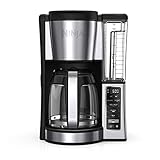
Ninja Fresh Brew Coffee Maker, 12 Cup Glass Carafe, Stainless Steel, CE251 | Programmable, Classic & Rich brew, 70-oz. Removable Water Reservoir, Small Batch, 24-hr Delay Brew, Adjustable Warming Plate | Check Price On Amazon |

|
Hamilton Beach 2-Way Programmable Coffee Maker & Single Serve Coffee Maker | 12 Cup Glass Carafe | Black with Stainless Steel Accents | 49980RG | Check Price On Amazon |

|
Keurig K-Elite Single Serve K-Cup Pod Coffee Maker, Brushed Slate | Strength and Temperature Control, Iced Coffee Capability, 8 to 12oz Brew Size, Programmable | Check Price On Amazon |

|
KRUPS Simply Brew Compact 5 Cup Coffee Maker: Stainless Steel Design, Pause & Brew, Keep Warm, Reusable Filter, Drip-Free Carafe | Check Price On Amazon |

|
Ninja® Luxe Café Premier 3-in-1 Espresso Machine, Stainless Steel, ES601 | Guided Barista Assist Technology for consistent results, dual froth system for hot or cold microfoam | Check Price On Amazon |
By the Numbers
Coffee and Anxiety — What the Research Shows
Sources: Journal of Psychopharmacology, Neuropsychopharmacology, FDA, SCA
What Is the Link Between Coffee and Anxiety?
Coffee triggers anxiety because caffeine blocks adenosine receptors in your brain while simultaneously stimulating the release of adrenaline and cortisol. Adenosine is the neurotransmitter that tells your brain it is time to wind down. When caffeine blocks it, your nervous system shifts into alert mode whether you want it to or not.
According to research published in the Journal of Psychopharmacology by Winston et al., caffeine doses above 300 mg reliably produce anxiety-like symptoms including restlessness, nervousness, and increased heart rate in sensitive individuals. This happens because the same neurochemical pathways activated by caffeine (increased norepinephrine, elevated cortisol, and heightened sympathetic nervous system activity) are the exact pathways dysregulated in clinical anxiety disorders.
The connection is so strong that the DSM-5, the diagnostic manual used by mental health professionals, includes “caffeine-induced anxiety disorder” as a recognized diagnosis. This means caffeine can produce anxiety severe enough to meet clinical criteria even in people with no underlying anxiety condition.
For someone already prone to anxiety, drinking a medium roast whole bean coffee brewed strong can deliver 150 to 200 mg of caffeine per cup. That amount is enough to push a sensitive nervous system past its comfort threshold within 30 minutes of drinking it.
How Does Caffeine Trigger Anxiety Symptoms in the Body?
Caffeine binds to adenosine receptors throughout your brain and blocks them. Adenosine normally accumulates during waking hours and creates the sensation of tiredness that helps you sleep. When blocked, you feel alert. But the blockade also triggers a cascade: your pituitary gland senses the arousal and signals your adrenal glands to release adrenaline and cortisol.
This mechanism occurs because adenosine receptor blockade disinhibits excitatory neurotransmitters like glutamate and dopamine. According to research published in Neuropsychopharmacology by Fredholm et al., this disinhibition at the A2A adenosine receptor subtype is particularly responsible for the anxiogenic (anxiety-producing) effects of caffeine. The same receptor subtype that caffeine blocks is the one that anxiety medications and the body’s natural calming mechanisms try to stimulate.
The condition only occurs when caffeine intake exceeds your personal metabolic threshold. If your body clears caffeine slowly due to a CYP1A2 gene variant, a single morning coffee can still be active in your system at bedtime. The result is a prolonged stress response that accumulates day after day and can feel like generalized anxiety with no obvious trigger.
Common physical symptoms include a pounding heart, sweaty palms, shallow breathing, and muscle tension. These are identical to the physical symptoms of an anxiety attack. Your brain cannot easily tell the difference between a caffeine-triggered stress response and a genuine threat response, which is why a strong coffee can spiral into a full anxiety episode even when nothing stressful is happening.
How Much Caffeine Is Safe if You Are Prone to Anxiety?
For most anxiety-prone individuals, staying under 200 mg of caffeine per day significantly reduces the risk of triggering symptoms. That equals roughly one 12 oz brewed coffee or two single shots of espresso. Some people with high sensitivity need to stay under 100 mg to avoid anxiety effects entirely.
The FDA sets the safe upper limit for healthy adults at 400 mg per day (about four 8 oz cups of drip coffee). However, this guideline assumes normal caffeine metabolism. If you are among the approximately 50% of the population with a slow CYP1A2 gene variant, your body clears caffeine at half the normal speed.
For a slow metabolizer, that 200 mg morning coffee still leaves roughly 100 mg circulating in your bloodstream six hours later. A second cup in the afternoon compounds the problem. Over days and weeks, this creates a persistent low-grade stress response that can feel exactly like chronic anxiety.
The right amount for you depends on factors beyond just the caffeine number. Your individual coffee sensitivity level is shaped by genetics, body weight, medication interactions, sleep quality, and baseline stress. Someone carrying high life stress may find their usual two cups suddenly feel like four. Someone well-rested and relaxed may tolerate more. The safest approach is to experiment with measured doses starting low.
Myth vs Fact
Coffee and Anxiety — Common Myths Debunked
Separating fact from fiction on the most common coffee and anxiety misconceptions
✗ Myth
If coffee makes you anxious, you should quit it entirely.
✓ Fact
Most anxiety-prone people can still enjoy coffee by adjusting dose, timing, and brew method. A single espresso (60-80 mg caffeine) consumed before 10 AM often produces no anxiety symptoms where a large drip coffee (200 mg) does. Quitting is not the only option.
✗ Myth
Decaf coffee has zero caffeine and is completely anxiety-safe.
✓ Fact
Decaf still contains 2-15 mg of caffeine per cup (FDA allows up to 3% residual caffeine). For most people this is negligible. For the extremely caffeine-sensitive, even this small amount can be noticeable if consumed late in the day or in large quantities.
✗ Myth
Darker roasts have more caffeine and cause more anxiety.
✓ Fact
Light roasts actually contain slightly more caffeine by weight because the roasting process degrades some caffeine molecules. However, the difference is small (about 5-10% between light and dark roasts). Roast level is not a reliable way to control caffeine intake: use measured doses instead.
✗ Myth
Drinking water with coffee prevents the anxiety effects.
✓ Fact
Water helps with hydration and can slow stomach emptying slightly, but it does not change how caffeine binds to adenosine receptors in your brain. Staying hydrated is important for overall anxiety management, but water will not prevent caffeine-induced jitters or panic sensations at the neurological level.
✗ Myth
You can build a tolerance to the anxiety effects just like you do to the energy boost.
✓ Fact
While partial tolerance to some caffeine effects develops over 1-2 weeks of consistent use, research shows the anxiety response is more persistent than the alertness boost. Many long-term daily coffee drinkers still experience anxiety spikes from their usual dose when baseline stress increases or sleep declines.
Why Do Some People Get Anxious From One Cup While Others Drink Four Without Issue?
The answer lies primarily in your CYP1A2 gene, which controls the liver enzyme responsible for metabolizing about 95% of the caffeine you consume. About half the population carries a variant that slows this enzyme down significantly. A slow metabolizer takes 6 to 10 hours to clear half the caffeine from one cup. A fast metabolizer clears the same amount in 3 to 4 hours.
This genetic difference means two people can drink identical coffee at 8 AM. By noon, the fast metabolizer has cleared most of it and feels normal. The slow metabolizer still has over 70% of the caffeine circulating, and a second cup at lunch compounds the load. By evening, their nervous system has been in a prolonged state of low-grade stress activation for 10 hours.
Beyond genetics, coffee’s health effects vary dramatically between individuals based on baseline anxiety levels, concurrent stress, sleep quality, and medication use. Oral contraceptives, for example, double caffeine half-life by competing for the same liver enzyme. Someone who tolerated coffee well before starting birth control may suddenly find the same dose produces anxiety symptoms.
Your caffeine intake per cup also varies enormously by brew method. A 12 oz pour over from a specialty shop can contain 200 to 300 mg of caffeine depending on the bean, grind size, and brew ratio. A 12 oz French press made at home with a coarser grind might deliver 120 to 160 mg. The same person could experience anxiety from one but not the other.
How to Drink Coffee Without Triggering Anxiety: A Step-by-Step Guide
You do not need to give up coffee to manage caffeine-induced anxiety. The following protocol reduces anxiety risk by controlling the key variables: dose, timing, absorption speed, and metabolic load.
Step-by-Step Guide
How to Drink Coffee Without Triggering Anxiety — Step by Step
6 steps · Start implementing tomorrow morning
Measure your dose with a scale
Use a coffee scale with 0.1g precision to weigh your beans before brewing. A standard starting dose for anxiety-prone drinkers is 12-15g of coffee (roughly 100-130 mg caffeine). Stop eyeballing scoops: a heaping tablespoon can vary by up to 5g, which is the difference between calm and jittery.
Drink coffee after breakfast, not on an empty stomach
Food in your stomach slows caffeine absorption from a rapid spike (peak at 15-30 minutes) to a gradual rise (peak at 45-60 minutes). A slower absorption curve reduces the intensity of the anxiety response. Eat something with protein and fat before your first sip.
Finish your last cup before 12 PM
Caffeine has a half-life of 3-5 hours in fast metabolizers and up to 10 hours in slow metabolizers. A 12 PM cutoff ensures blood caffeine levels drop below 25 mg by bedtime for most people. This protects sleep quality, which in turn reduces baseline anxiety the next day and increases your caffeine tolerance.
Switch to a single espresso or smaller pour over
A single shot of espresso (18g in, 36g out) contains about 60-80 mg of caffeine. A small 8 oz pour over with 15g of coffee delivers about 100-130 mg. Both are well under the anxiety threshold for most people. Avoid large drip coffees (16-20 oz) and cold brews, which can deliver 200-300 mg per serving without you realizing it.
Consider adding L-theanine or switching to half-caff
L-theanine is an amino acid found in green tea that promotes calm focus by increasing alpha brain waves. Taking 200 mg L-theanine with your coffee can blunt the anxiety edge while preserving the mental clarity. Alternatively, mix equal parts regular and decaf whole bean coffee for a half-caff blend that halves your dose.
Track your anxiety response in a simple log for one week
Write down time, dose (in grams), and anxiety level (1-10) each day. Within a week, you will see your personal threshold clearly. Most people find their sweet spot between 60-150 mg. Once you know your number, you can enjoy coffee daily at or below that dose without triggering symptoms.
Decaf Coffee and Anxiety: Does It Solve the Problem?
For most anxiety-prone coffee drinkers, switching to decaf eliminates the problem almost entirely. Decaf coffee contains 2-15 mg of caffeine per cup compared to 100-200 mg in regular coffee. That is a 90-98% reduction, enough to fall well below the anxiety threshold for all but the most extremely sensitive individuals.
However, decaf is not zero caffeine. The FDA requires decaf to have no more than 97% of caffeine removed, which leaves 3% residual. A 12 oz cup of decaf made from beans that originally contained 150 mg of caffeine will still deliver about 4-5 mg. For context, a square of dark chocolate contains about 12 mg of caffeine. Most people with anxiety disorders find this trace amount completely tolerable.
The bigger concern with decaf is the decaffeination process itself. There are two main methods: solvent-based (using ethyl acetate or methylene chloride) and Swiss Water Process (using water and carbon filtration). The Swiss Water Process uses no chemicals and preserves more of the coffee’s flavor compounds. For anxiety-prone drinkers concerned about consuming anything that might affect their nervous system, Swiss Water Process decaf is the cleaner choice.
Some people with anxiety report that even decaf triggers symptoms. This is usually not the trace caffeine. It may be a conditioned response (your brain associates the taste and smell of coffee with the anxiety sensation) or a sensitivity to other compounds in coffee such as chlorogenic acids, which can irritate the stomach and create physical sensations that anxious brains interpret as threat signals. If decaf still bothers you, try a low-acid decaf or a mushroom coffee alternative that mimics the ritual without any of the compounds.
Coffee vs Other Caffeine Sources for Anxiety-Prone Individuals
If coffee reliably triggers your anxiety, you might assume all caffeine sources are equally problematic. The research suggests otherwise. Coffee contains hundreds of bioactive compounds beyond caffeine, including chlorogenic acids, trigonelline, and melanoidins. Some of these compounds affect blood pressure and stress hormones independently of caffeine.
A study published in the American Journal of Clinical Nutrition found that coffee produces a greater blood pressure response than isolated caffeine at equivalent doses. This means the anxiety-producing effects of coffee cannot be attributed to caffeine alone. Something else in coffee amplifies the stress response, though researchers have not isolated exactly which compounds are responsible.
Tea, particularly green tea, contains L-theanine alongside caffeine. L-theanine promotes alpha brain wave activity associated with relaxed alertness. This is why many people report that tea produces a calmer, more focused energy than coffee. A cup of green tea delivers about 30-50 mg of caffeine plus 20-30 mg of L-theanine. That combination rarely triggers anxiety at the same rate as a 150 mg caffeine dose from coffee.
Matcha provides an even higher L-theanine to caffeine ratio. For the anxiety-prone coffee lover who wants to keep some caffeine in their routine, switching to matcha or ceremonial grade loose leaf tea can provide the morning ritual and alertness without the anxiety spike. The caffeine content is lower (30-70 mg per serving) and the L-theanine buffers the stress response effectively.
What Is the Best Time of Day to Drink Coffee to Minimize Anxiety?
The optimal window for coffee consumption to minimize anxiety is between 9:30 AM and 11:30 AM. This timing avoids two problematic periods: the early morning cortisol spike (peaking around 8-9 AM) and the late afternoon window where caffeine will still be active at bedtime.
Cortisol, your body’s primary stress hormone, follows a natural circadian rhythm that peaks 30-45 minutes after waking. Drinking coffee during this peak (typically 7-9 AM for most people) compounds the stress signal. By waiting until 9:30 AM or later, you let your natural cortisol surge decline first. The caffeine boost then works with your body’s rhythm rather than amplifying an already elevated stress state.
The noon cutoff matters just as much. As explained in our complete guide to coffee brewing and consumption, caffeine’s long half-life means afternoon coffee is the single biggest predictor of poor sleep quality among coffee drinkers. Poor sleep raises baseline anxiety the next day, which makes you more sensitive to caffeine, which leads you to drink more coffee to compensate for fatigue. This is the anxiety-caffeine spiral that traps so many coffee lovers.
Break the cycle by confining all caffeine to the 9:30 AM to noon window. If you need an afternoon pick-me-up, try a decaf espresso or a short walk outside. The placebo effect of the coffee ritual itself can provide alertness without pharmacology.
What Are the Long-Term Effects of Daily Coffee Consumption on Anxiety Disorders?
Daily coffee consumption does not appear to cause clinical anxiety disorders in people without a predisposition. However, in those with existing anxiety disorders or high trait anxiety, chronic high-dose caffeine intake (above 300 mg per day) is associated with worse symptom severity, more frequent panic attacks, and poorer response to anxiety treatment.
According to a meta-analysis published in the Journal of Anxiety Disorders, caffeine challenge tests reliably induce panic attacks in 48-60% of people with panic disorder compared to 0-10% of healthy controls. The same review found that reducing or eliminating caffeine leads to significant symptom improvement in most anxiety patients who are moderate to high caffeine consumers.
This does not mean coffee causes permanent damage to the nervous system. The effects are reversible. When caffeine is removed, the adenosine system recalibrates over 1-2 weeks, cortisol rhythms normalize, and sleep quality improves. Most anxiety patients who quit caffeine report noticeable improvement within 7-14 days. Some choose to reintroduce small amounts later, and many find they can tolerate low doses (under 100 mg) once their baseline anxiety is managed through other means.
For those concerned about coffee’s dehydrating effects compounding anxiety, the research is reassuring. Moderate coffee consumption (2-3 cups per day) does not cause dehydration in regular drinkers. The diuretic effect is mild and temporary. However, if anxiety already makes you prone to dry mouth, tension headaches, and muscle tightness, staying well-hydrated with water alongside coffee is still important for overall comfort.
Buying Guide
Before You Drink Coffee — Anxiety Safety Checklist
Check off each point before your next cup if you are prone to anxiety.
Can Magnesium Help Counteract Coffee-Induced Anxiety?
Magnesium plays a direct role in regulating the nervous system’s stress response by blocking the NMDA receptor, which is one of the pathways caffeine stimulates. When magnesium levels are adequate, the nervous system has an easier time returning to baseline after caffeine stimulation. When magnesium is low, the same caffeine dose produces a more pronounced and prolonged anxiety response.
Coffee itself may deplete magnesium through its mild diuretic effect, though the amount lost is small (roughly 3-4 mg per cup of coffee). More relevant is that many adults are already low in magnesium due to diet, and coffee consumption on top of marginal magnesium status can tip the balance toward deficiency symptoms including increased anxiety, muscle tension, and poor sleep.
Taking magnesium glycinate at 200-400 mg per day (glycinate form is best absorbed and least likely to cause digestive issues) can reduce the anxiety response to caffeine by supporting GABA function and calming the sympathetic nervous system. This is not a cure that allows unlimited coffee consumption, but it can widen your safe caffeine window by 30-50 mg for many people.
Do not take magnesium at the exact same time as coffee, because coffee’s tannins can bind to minerals and reduce absorption. Space them at least 2 hours apart. Taking magnesium in the evening also supports sleep quality, which as covered above directly improves next-day caffeine tolerance.
Can I Build a Tolerance to the Anxiety Effects of Coffee?
Partial tolerance to some caffeine effects develops over 7-14 days of consistent consumption. The adenosine system adapts by creating more receptors, which is why you need more coffee to feel the same alertness boost over time. However, tolerance to the anxiogenic (anxiety-producing) effects is incomplete and inconsistent compared to tolerance to the wakefulness effects.
According to research in Psychopharmacology, even after weeks of daily high-dose caffeine consumption, the stress hormone response (cortisol and adrenaline) remains partially elevated compared to caffeine-naive states. This means a long-term daily coffee drinker may feel subjectively less jittery than a beginner, but their nervous system is still experiencing measurable stress activation from each cup.
This partial tolerance explains why many regular coffee drinkers feel fine for months or years and then suddenly develop anxiety symptoms. The underlying stress load accumulates until it exceeds the nervous system’s capacity to compensate. A period of high life stress, poor sleep, or illness can abruptly lower your caffeine tolerance, and your usual two cups suddenly feel like four. If this happens, temporarily cut your dose in half for 7-10 days while your nervous system recovers.
Does Adding Milk or Food Reduce Coffee-Induced Anxiety?
Eating food before drinking coffee slows gastric emptying and caffeine absorption. Instead of a sharp caffeine peak hitting your bloodstream within 15-30 minutes (which produces the most intense anxiety sensations), the same dose absorbed over 45-60 minutes creates a gentler rise that is less likely to trigger panic symptoms. The total caffeine load is the same, but the slope of the curve matters enormously for subjective anxiety experience.
Milk does not chemically neutralize caffeine or block adenosine receptors. The common belief that milk “buffers” coffee’s anxiety effects comes from two real but indirect mechanisms: the fat and protein in milk slow stomach emptying (same as food), and the ritual of adding milk can have a placebo calming effect. A latte made with whole milk and consumed after breakfast will produce a slower caffeine absorption curve than black espresso on an empty stomach even at identical caffeine doses.
For the most anxiety-safe coffee experience, combine all three protective factors: eat a substantial breakfast first, add whole milk or a milk alternative with fat content, and keep the total caffeine dose under 100-150 mg. This combination produces the gentlest possible caffeine curve while preserving the sensory pleasure of the coffee ritual.
Why Does Coffee Make Me Anxious but Tea Does Not?
Tea contains two compounds that coffee lacks in meaningful quantities: L-theanine and theanine-related amino acids that promote calm alpha brain wave activity. L-theanine directly counteracts some of caffeine’s anxiety-producing effects by increasing GABA, dopamine, and serotonin in brain regions involved in stress regulation. The result is a state of relaxed alertness rather than the wired-but-jittery feeling coffee often produces.
Tea also delivers caffeine in a chemically different form. Tea caffeine binds to tannins and polyphenols, which slows its absorption similarly to how food in the stomach slows coffee absorption. The peak caffeine concentration in your blood after drinking tea is roughly 30-40% lower than after an equivalent caffeine dose from coffee, even when the total caffeine content is the same.
If you find tea consistently tolerable but coffee consistently anxiety-inducing, your nervous system may simply prefer the buffered delivery system. You can approximate this with coffee by using a smaller dose, brewing at a lower temperature (195°F instead of 205°F to extract less caffeine per gram of coffee), and always consuming it with food and fat. A Chemex pour over with its thick paper filter also removes some of the oils (cafestol and kahweol) that can contribute to the overall physiological stress response independent of caffeine.
Is Cold Brew Less Likely to Cause Anxiety Than Hot Coffee?
The answer depends entirely on how you make it and how much you drink. Cold brew concentrate, as typically prepared, is brewed at a high coffee-to-water ratio (often 1:4 to 1:8 compared to 1:15 to 1:17 for hot drip coffee). This produces a concentrate with significantly higher caffeine per ounce. If you drink cold brew concentrate straight or lightly diluted, you may consume 200-300 mg of caffeine in a single 12 oz serving without realizing it.
However, cold brew extraction at refrigerator temperature (38-40°F) extracts caffeine slightly less efficiently than hot water extraction at 195-205°F. If you brew cold brew at a standard 1:8 ratio and then dilute it 1:1 with water or milk before drinking, the final caffeine concentration ends up roughly comparable to hot drip coffee. The real danger with cold brew is the serving size: cold brew is often sold and consumed in 16-24 oz portions that deliver massive total caffeine loads.
For anxiety management, treat cold brew like any other coffee: measure your dose by weighing the beans before brewing (not the concentrate after), keep your total bean weight under 15-20g for a single serving, and dilute the concentrate adequately. A cold brew maker with built-in measurement markings makes it easier to track your ratios consistently.
Why Did I Suddenly Develop Anxiety From Coffee When I Never Had It Before?
A sudden change in coffee tolerance almost always traces to one of four factors: new medication, increased baseline stress, declining sleep quality, or hormonal changes. The most common culprit is a new prescription. Oral contraceptives, certain antidepressants (particularly SSRIs and SNRIs), thyroid medications, and some antibiotics all slow caffeine metabolism by competing for the CYP1A2 liver enzyme. Your body clears caffeine at half the rate it did before, so the same dose now lasts twice as long and produces a stronger stress response.
Increased life stress is the second most common trigger. Your nervous system has a finite stress capacity. Caffeine adds to your total stress load. If you previously operated at 60% of your stress capacity (with coffee contributing 10%), you felt fine. If life stress pushes you to 85% capacity, that same 10% coffee load now pushes you past 100% and into anxiety symptoms. The coffee did not change. Your nervous system’s available margin did.
The fix is not necessarily permanent abstinence. Identify and address the underlying factor (medication timing, sleep, stress), then reintroduce coffee at a lower dose. Many people find they can resume moderate coffee consumption once the acute stressor resolves, their medication dose stabilizes, or their sleep recovers. Paying attention to when coffee is beneficial versus harmful for your body requires honest self-assessment that many coffee lovers resist. But that honest assessment is what lets you keep coffee in your life long-term.
Can Coffee Cause Panic Attacks Even in People Without Anxiety Disorders?
Yes. Caffeine is a panicogenic substance, meaning it can induce panic attacks in people with no history of panic disorder. In laboratory studies using caffeine challenge tests, 10-25% of healthy controls with no psychiatric history experience panic-like symptoms at doses of 400-500 mg. At doses above 750 mg (roughly 6-8 cups consumed rapidly), the rate climbs higher.
The mechanism is straightforward: caffeine increases lactate levels in the brain, and elevated brain lactate is a known trigger for panic attacks even in people without panic disorder. Caffeine also sensitizes the locus coeruleus, the brain’s noradrenaline center that controls the fight-or-flight response. A sensitized locus coeruleus fires more readily to minor stimuli, creating a false alarm of danger that the body responds to with full panic symptoms.
If you experienced a panic attack after drinking coffee, the caffeine may not be the sole cause. Panic attacks are multifactorial. But caffeine lowers the threshold for panic, making an attack more likely than it would have been without the coffee. For someone who had a first panic attack after coffee and has no desire to repeat the experience, the safest course is a temporary complete break from caffeine for 2-4 weeks, then a cautious reintroduction at very low doses (30-50 mg) to test tolerance.
Is It Safe to Drink Coffee While Taking Anxiety Medication?
It depends on the specific medication. SSRIs (like sertraline, escitalopram, and fluoxetine) do not directly interact with caffeine metabolism in dangerous ways, but they can amplify caffeine’s effects indirectly. SSRIs increase serotonin, which affects the same brain circuits that caffeine stimulates. The combination can produce increased restlessness, agitation, and insomnia above what either substance produces alone.
Benzodiazepines (like alprazolam, lorazepam, and clonazepam) directly oppose caffeine’s mechanism: benzodiazepines enhance GABA activity to calm the nervous system, while caffeine blocks adenosine to stimulate it. They work against each other pharmacologically. Drinking coffee while on benzodiazepines effectively reduces the medication’s effectiveness, which can lead to dose escalation and dependency. If you take benzodiazepines for anxiety, eliminating or severely limiting caffeine is often recommended by psychiatrists.
Buspirone, a common non-benzodiazepine anxiety medication, has no major interaction with caffeine. However, caffeine can worsen the anxiety symptoms buspirone is prescribed to treat. The general principle across all anxiety medications is the same: adding a stimulant (caffeine) while taking medication to reduce anxiety creates a push-pull effect in your nervous system. The less caffeine you consume, the more effectively your medication can do its job. Discuss your specific medication and caffeine intake with your prescribing physician rather than relying on general guidance alone.
Are There Specific Coffee Bean Varieties That Are Less Anxiogenic?
No coffee variety or origin is reliably less anxiety-producing than others at equivalent caffeine doses. However, certain coffee characteristics can indirectly affect the anxiety experience. Robusta beans contain roughly twice the caffeine of Arabica beans (2.2-2.7% vs 1.0-1.5% by weight). A 100% Arabica coffee will deliver roughly half the caffeine of a Robusta or Robusta-blend coffee at the same brew strength. Always check that you are buying 100% Arabica if caffeine sensitivity is a concern.
Within Arabica, some origins and processing methods produce slightly lower caffeine content. Washed (wet-processed) Arabica coffees tend to have marginally less caffeine than natural (dry-processed) coffees from the same region, though the difference is small (about 0.1-0.3% by weight). More impactful than bean selection is roast level and brew method. A darker roast brewed as a single espresso shot will deliver less caffeine than a light roast brewed as a large pour over, regardless of bean variety.
The average coffee drinker worried about anxiety should focus on dose control rather than bean hunting. Buy 100% Arabica beans, weigh every dose, and keep it under 15g. That predictable approach matters more than chasing a specific origin. If you want to explore low-caffeine coffee options, specialty half-caff blends that mix regular and decaf beans at the roaster provide a consistent, measured way to reduce anxiety risk while still enjoying the flavor of real coffee.
For the anxiety-prone coffee lover, the bottom line is this: you do not need to quit coffee. You need to treat it with the same respect you would give any psychoactive substance that affects your nervous system. Measure your dose. Time it carefully. Listen to your body’s feedback. And remember that your coffee habit affects multiple body systems, not just your brain. The goal is not maximum caffeine intake. It is maximum enjoyment with minimum suffering. For most anxious coffee drinkers, that sweet spot lives somewhere between 60 and 150 mg of caffeine, consumed before noon, on a full stomach, without apology for needing less than the person next to you.