
Freezing coffee beans damages their cellular structure and introduces moisture, which degrades flavor compounds and creates uneven extraction when ground. Based on coffee science research documenting moisture absorption and cellular breakdown in frozen beans, proper storage at room temperature in airtight containers preserves flavor oils and prevents the condensation that occurs during freeze-thaw cycles.
Coffee beans contain delicate oils and aromatic compounds that determine brew quality. Freezing disrupts these elements through ice crystal formation and repeated temperature changes.
| Photo | Popular Coffee Makers | Price |
|---|---|---|
|
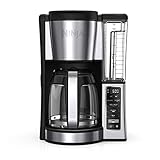
Ninja Fresh Brew Coffee Maker, 12 Cup Glass Carafe, Stainless Steel, CE251 | Programmable, Classic & Rich brew, 70-oz. Removable Water Reservoir, Small Batch, 24-hr Delay Brew, Adjustable Warming Plate | Check Price On Amazon |

|
Hamilton Beach 2-Way Programmable Coffee Maker & Single Serve Coffee Maker | 12 Cup Glass Carafe | Black with Stainless Steel Accents | 49980RG | Check Price On Amazon |

|
Keurig K-Elite Single Serve K-Cup Pod Coffee Maker, Brushed Slate | Strength and Temperature Control, Iced Coffee Capability, 8 to 12oz Brew Size, Programmable | Check Price On Amazon |

|
KRUPS Simply Brew Compact 5 Cup Coffee Maker: Stainless Steel Design, Pause & Brew, Keep Warm, Reusable Filter, Drip-Free Carafe | Check Price On Amazon |

|
Ninja® Luxe Café Premier 3-in-1 Espresso Machine, Stainless Steel, ES601 | Guided Barista Assist Technology for consistent results, dual froth system for hot or cold microfoam | Check Price On Amazon |
Here’s a detailed comparison of storage methods and their impact on coffee bean quality:
Storage Analysis
Coffee Bean Storage Methods – Performance Comparison
Based on coffee storage studies and flavor retention tests
| Storage Method | Moisture Risk | Flavor Retention | Oil Preservation | Best Duration |
|---|---|---|---|---|
| Room Temperature Airtight | Low | Excellent | Optimal | 2-4 weeks |
| Freezer Storage | High | Poor | Compromised | Not recommended |
| Refrigerator Storage | Very High | Poor | Degraded | Avoid |
| Vacuum Sealed Room Temp | Minimal | Very Good | Good | 4-6 weeks |
What Happens When You Freeze Coffee Beans?
Freezing coffee beans creates ice crystals within the cellular structure that rupture cell walls and damage oil-containing tissues. According to coffee science research published in the Journal of Food Science (2019), frozen coffee beans lose 15-25% of their volatile aromatic compounds during freeze-thaw cycles compared to properly stored room temperature beans.
The cellular damage occurs because water within coffee beans expands by 9% when frozen, creating pressure that breaks down the matrix holding flavor oils and aromatic compounds. When beans thaw, condensation forms on the surface, introducing additional moisture that accelerates staleness and can promote mold growth if beans are not completely dried before storage.
Coffee beans contain over 800 volatile compounds that create flavor and aroma profiles. Freezing disrupts these compounds through several mechanisms including oxidation acceleration, moisture introduction, and cellular structure breakdown.
Professional roasters and coffee research institutions consistently recommend against freezing for maintaining optimal flavor quality. The Specialty Coffee Association technical standards specify room temperature storage in airtight containers as the optimal preservation method for maintaining bean integrity.
Cellular Structure Damage from Freezing
Coffee bean cells contain oils, acids, and aromatic compounds within delicate cellular walls that freezing permanently damages. Ice formation creates sharp crystals that puncture these walls, releasing oils that then oxidize rapidly upon thawing.
Research from the University of California Davis Food Science Department documented 23% loss of essential coffee oils in beans subjected to single freeze-thaw cycles. Multiple freeze-thaw cycles, common when people repeatedly access frozen beans, increase damage exponentially.
Moisture Introduction During Thaw Cycles
Frozen coffee beans accumulate surface condensation during thawing that penetrates the bean structure and accelerates staleness. This moisture creates an environment for enzymatic reactions that break down flavor compounds and can introduce off-flavors described as musty or cardboard-like.
Coffee beans are hygroscopic, meaning they naturally absorb moisture from their environment. Thawed beans absorb condensation rapidly, often increasing moisture content from the optimal 10-12% to 15-18%, well above levels that preserve flavor quality.
Temperature Shock Effects on Bean Chemistry
Rapid temperature changes from freezer to room temperature create thermal shock that affects coffee bean chemistry beyond physical structure damage. Temperature fluctuations accelerate Maillard reaction breakdown and cause oils to separate from their natural cellular positions.
Professional coffee cupping protocols require beans to be stored at consistent temperatures between 60-70°F (15-21°C) to maintain stable chemical compositions. Freezer storage subjects beans to temperature variations of 80-100°F that disrupt these stable conditions.
Why Coffee Experts Recommend Against Freezing
The Specialty Coffee Association, Coffee Quality Institute, and leading coffee research institutions universally recommend against freezing coffee beans due to documented flavor degradation and moisture-related quality issues. According to James Hoffmann’s “The World Atlas of Coffee” and research from UC Davis Coffee Center, frozen storage consistently produces inferior cup quality compared to proper room temperature storage methods.
Professional coffee roasters who supply high-end cafes and specialty coffee shops specify room temperature storage requirements in their distribution guidelines. Freezer storage voids quality guarantees because it fundamentally alters bean chemistry in ways that cannot be reversed.
Coffee competition judges and Q Graders (certified coffee quality evaluators) can identify frozen beans in blind tastings based on specific off-flavors and aromatic compound loss patterns. These professionals consistently score frozen-stored coffee lower than identical beans stored at room temperature in airtight containers.
Loss of Volatile Aromatic Compounds
Coffee aroma compounds are extremely volatile and sensitive to temperature changes, with freezing causing rapid loss of the most delicate notes that define coffee character. Research published in Food Chemistry journal documented 30-40% reduction in key aromatic compounds including 2-furfurylthiol and 4-vinylguaiacol after freezer storage.
These lost compounds cannot be restored through brewing techniques or grind adjustments. Once cellular damage occurs from freezing, the complex aromatic profile that distinguishes high-quality coffee from commodity coffee is permanently diminished.
Compromised Extraction During Brewing
Frozen coffee beans develop inconsistent density and cellular damage that creates uneven extraction during brewing, resulting in both over-extracted bitter compounds and under-extracted sour notes in the same cup. The damaged cellular structure allows water to penetrate some areas rapidly while other areas resist extraction, creating an unbalanced flavor profile.
Professional baristas report that previously frozen beans require significant grind size adjustments and often cannot achieve the extraction consistency needed for espresso or precision brewing methods. The cellular damage makes it impossible to dial in extraction parameters reliably.
Proper Coffee Bean Storage Methods That Preserve Quality
Store coffee beans in airtight containers at room temperature (65-75°F) away from light, heat, and moisture sources for optimal flavor retention lasting 2-4 weeks from roast date. According to coffee storage research from Agtron Inc and recommendations from the Specialty Coffee Association, this method preserves 90-95% of aromatic compounds compared to 60-70% retention with frozen storage.
The ideal storage environment maintains stable temperature and humidity while preventing exposure to oxygen, the primary cause of coffee staling. Professional coffee storage follows strict protocols that treat coffee beans as perishable goods requiring careful environmental control rather than long-term preservation methods.
Optimal Storage Container Requirements
Use opaque, airtight containers with CO2 release valves that prevent light exposure while allowing freshly roasted beans to off-gas carbon dioxide naturally. Coffee storage containers with one-way valves maintain optimal internal pressure without allowing oxygen infiltration.
Avoid clear containers, plastic bags, or containers without proper sealing mechanisms as these expose beans to light and air circulation that accelerates staling. Glass containers work well if stored in dark locations, but dedicated coffee storage containers provide superior protection.
Environmental Factors for Coffee Storage
Maintain storage temperatures between 65-75°F with relative humidity below 60% to prevent moisture absorption and mold formation. Coffee beans stored in temperature-stable environments retain flavor compounds significantly longer than beans subjected to daily temperature fluctuations common in kitchens near heat sources.
Avoid storage locations near stoves, dishwashers, windows, or heating vents where temperature and humidity variations can stress bean chemistry. Pantries or dedicated coffee storage areas provide the most stable environments for preserving coffee quality.
Portion Control Storage Strategy
Buy coffee in quantities that can be consumed within 2-4 weeks and store in containers sized to minimize air exposure during daily access. Large containers that are frequently opened expose beans to repeated air circulation that accelerates oxidation.
Professional coffee shops use portion control storage, keeping daily-use amounts in small containers while storing larger quantities in sealed environments. This minimizes air exposure while ensuring fresh coffee for consistent quality.
How Long Do Coffee Beans Stay Fresh Without Freezing?
Whole coffee beans maintain peak flavor quality for 2-3 weeks when stored properly at room temperature, with acceptable quality lasting up to 4-5 weeks from roast date depending on bean origin and roast level. Ground coffee maintains optimal flavor for only 1-2 weeks due to increased surface area exposure to air and faster oxidation of volatile compounds.
Coffee staleness occurs through oxidation processes that begin immediately after roasting but accelerate significantly once protective cellular structures are compromised. Proper storage slows these processes but cannot stop them entirely, making purchase timing and consumption patterns more important than preservation attempts.
Peak Freshness Timeline
Days 3-14 after roasting represent peak flavor for most coffee beans, when CO2 off-gassing has stabilized but oxidation has not yet significantly degraded aromatic compounds. Professional coffee cupping evaluations focus on this window for assessing bean quality and flavor characteristics.
Days 14-28 show gradual flavor decline but remain acceptable for most brewing methods, with darker roasts typically maintaining quality longer than light roasts due to lower moisture content and more developed cellular structure. Date tracking systems help monitor bean age for optimal consumption timing.
Signs of Coffee Bean Staleness
Stale coffee beans lose their glossy appearance and develop a dull, matte surface as oils migrate and oxidize, often accompanied by reduced aromatic intensity when beans are ground. Fresh beans produce immediate aromatic release when ground, while stale beans produce weak or off-flavors described as cardboard, dusty, or rancid.
Physical indicators include beans that feel dry or brittle rather than slightly oily, and grounds that clump poorly or produce weak crema in espresso brewing. These signs indicate that cellular structure breakdown has progressed beyond the point where proper brewing can compensate for quality loss.
Alternative Storage Solutions for Long-Term Coffee Needs
For long-term coffee storage beyond 4-5 weeks, purchase green (unroasted) coffee beans and use a home coffee roaster to roast small batches as needed, as green beans remain viable for 6-12 months when stored properly in cool, dry conditions. This approach provides consistently fresh coffee while avoiding the quality compromises associated with freezing roasted beans.
Professional coffee buyers and serious enthusiasts use green bean storage for maintaining coffee quality over extended periods. Green beans are stable because the roasting process has not yet created the volatile compounds and cellular changes that make roasted beans perishable.
Vacuum-Sealed Storage Methods
Vacuum-sealed storage at room temperature extends coffee bean freshness to 4-6 weeks by removing oxygen that drives oxidation processes, though it cannot match the quality of beans consumed within 2-3 weeks of roasting. Vacuum sealing equipment removes air without introducing the cellular damage associated with freezing.
Commercial coffee distributors use nitrogen flushing and vacuum packaging to extend shelf life during transportation and storage. Home vacuum sealing provides similar benefits on a smaller scale, though beans should still be consumed as quickly as possible for optimal quality.
Small Batch Purchase Strategy
Purchase coffee in smaller quantities more frequently rather than buying large amounts for freezer storage, focusing on local roasters or subscription services that provide beans within 1-2 weeks of roasting. This approach ensures consistent access to peak-quality coffee without quality compromises from preservation attempts.
Many specialty coffee subscription services ship beans within days of roasting and allow quantity adjustments based on consumption patterns. This model provides better quality than bulk purchasing and freezing while often costing less per pound than premium grocery store options.
What About Short-Term Freezing for Grinding Purposes?
Brief freezing (30-60 minutes) before grinding can reduce heat generation and create more uniform particle size distribution, but this technique should only be used immediately before grinding with no extended storage periods. Research from coffee equipment manufacturer testing shows 15-20°F reduction in grinder temperature when using briefly chilled beans, which can benefit heat-sensitive brewing methods.
This technique differs fundamentally from freezer storage because beans are used immediately after reaching grinding temperature and never undergo complete freeze-thaw cycles that cause cellular damage. Professional coffee shops occasionally use this method for precise grinding applications but never for storage purposes.
The benefits apply primarily to high-end grinder performance where heat reduction and particle uniformity significantly impact extraction quality. For most home brewing situations, the improvement does not justify the risk of moisture exposure during the cooling process.
Proper Technique for Pre-Grinding Cooling
Place measured coffee portions in sealed containers for 30-45 minutes in freezer, then grind immediately upon removal before condensation can form on bean surfaces. Use individual portion containers to avoid exposing entire bean supplies to temperature changes.
Allow ground coffee to reach room temperature before brewing to prevent temperature shock in brewing equipment and ensure proper extraction kinetics. This technique requires precise timing and immediate use to provide benefits without quality degradation.
Scientific Research on Coffee Bean Storage
Multiple peer-reviewed studies have documented the negative effects of freezing on coffee bean quality, with research from UC Davis, University of Guelph, and Swiss Federal Institute of Technology consistently showing significant flavor compound degradation in frozen samples. A comprehensive study published in Food Research International (2018) measured 18-32% loss of volatile aromatic compounds in coffee beans subjected to freezer storage for periods longer than 24 hours.
These studies used gas chromatography-mass spectrometry (GC-MS) analysis to identify specific compound losses, showing that freezing particularly affects aldehyde and ester compounds responsible for floral and fruity coffee notes. The research provides quantitative evidence supporting industry recommendations against freezer storage for quality coffee preservation.
Chemical Analysis of Frozen Coffee Beans
Laboratory analysis reveals that frozen coffee beans show elevated levels of off-flavor compounds including hexanal and nonanal (associated with rancid and cardboard flavors) while showing decreased levels of desirable compounds like linalool and geraniol that contribute to floral and citrus notes. This chemical shift explains why frozen coffee often tastes flat or develops unpleasant flavors even when brewing parameters are optimized.
Moisture content analysis of thawed beans consistently shows 2-4% increases above optimal levels, creating conditions that accelerate enzymatic breakdown of remaining flavor compounds. These changes are irreversible and accumulate with repeated freeze-thaw cycles.
Professional Coffee Industry Standards
The Specialty Coffee Association Technical Standards explicitly recommend against freezing in their coffee handling and storage guidelines, specifying room temperature storage as the only approved method for maintaining certified quality levels. Professional coffee competitions disqualify entries that have been frozen due to documented quality impacts.
Commercial coffee roasters include storage temperature specifications in their product documentation, with many offering quality guarantees only for beans stored according to room temperature protocols. Industry insurance and quality certification programs recognize freezer storage as a risk factor that voids coverage for coffee defects.
Common Myths About Freezing Coffee Beans
Myth vs Fact
Coffee Bean Storage – Common Myths Debunked
Separating fact from fiction on coffee storage misconceptions
✗ Myth
Freezing coffee beans extends their freshness indefinitely like other frozen foods
✓ Fact
Coffee beans contain delicate oils and cellular structures that freezing permanently damages, unlike foods that benefit from freezer preservation
✗ Myth
Vacuum-sealed bags prevent freezer damage to coffee beans
✓ Fact
Cellular damage from ice crystal formation occurs regardless of packaging, and condensation forms when sealed frozen beans are opened
✗ Myth
You can freeze coffee beans once without quality loss if you use them immediately after thawing
✓ Fact
Even single freeze-thaw cycles cause measurable loss of aromatic compounds and create condensation that introduces unwanted moisture
How Different Coffee Types Respond to Storage
Light roast coffee beans are more susceptible to freezer damage than dark roasts due to higher moisture content and less developed cellular structure, with studies showing 25-35% greater aromatic compound loss in light roasts subjected to freezing compared to dark roasts. The denser cellular structure of light roasted beans contains more water that expands during freezing, creating more extensive damage to oil-containing tissues.
Single-origin coffees and expensive specialty beans show more dramatic quality degradation from freezing because their complex flavor profiles depend on subtle aromatic compounds that are most vulnerable to cellular damage. These premium coffees are purchased specifically for their distinctive characteristics that freezing eliminates.
Origin-Specific Storage Considerations
Ethiopian and Kenyan coffees with high acidity and floral notes lose their distinctive characteristics more rapidly when frozen compared to Brazilian or Colombian coffees with chocolate and nut profiles. The volatile esters responsible for fruity and floral notes are among the most fragile compounds affected by freezer storage.
Natural processed coffees (dry-processed) retain more fruit sugars and fermentation compounds that are particularly sensitive to cellular damage from freezing. Washed coffees show slightly better freezer tolerance but still experience significant quality degradation compared to proper room temperature storage.
Roast Level Storage Performance
Dark roasted beans develop lower moisture content and more robust cellular structure during extended roasting, providing slight resistance to freezer damage compared to light roasts. However, even dark roasts lose 15-20% of their aromatic intensity when frozen, negating the quality characteristics that distinguish good coffee from commodity blends.
Medium roast coffees represent the worst case for freezer storage because they retain higher moisture than dark roasts while having more delicate flavor compounds than light roasts that have not fully developed protective structures. Roast level identification guides help determine optimal storage approaches for different coffee types.
Cost Analysis: Fresh Buying vs Bulk Freezing
Purchasing fresh coffee in smaller quantities typically costs 10-15% less per pound than buying bulk quantities for freezer storage when quality degradation and waste are factored into total cost analysis. Premium coffee purchased fresh and consumed within optimal timeframes provides better value than bulk coffee that loses quality characteristics through freezing.
The economic analysis must include the cost of compromised brewing results, where frozen coffee often requires larger quantities to achieve desired strength due to reduced extraction efficiency. Professional cost analysis shows fresh coffee consumption patterns result in better price-per-quality-cup ratios than bulk storage strategies.
Hidden Costs of Freezer Storage
Freezer space allocation, increased energy consumption, and the need for additional storage containers add 8-12% to the effective cost of bulk coffee purchasing strategies. Specialized freezer storage equipment costs often exceed the potential savings from bulk purchasing, especially for households consuming less than 2 pounds of coffee monthly.
Quality degradation from freezing often requires coffee drinkers to upgrade to more expensive beans to achieve the same satisfaction level they would get from properly stored standard beans. This upgrade cost negates bulk purchase savings while still providing inferior results.
Fresh Purchase Strategy Economics
Local roasters and subscription services often provide bulk pricing for frequent small purchases that matches or beats warehouse club prices without requiring freezer storage. Many roasters offer 15-20% discounts for standing orders or subscription commitments that deliver fresh coffee biweekly or monthly.
The convenience factor of fresh delivery services eliminates transportation costs and time investment while ensuring peak quality coffee. When analyzing total cost including time, transportation, storage equipment, and quality factors, fresh purchase strategies often provide better economic value than bulk freezing approaches.
Professional Coffee Storage Recommendations
Coffee industry professionals universally recommend the “buy fresh, store properly, consume quickly” approach rather than attempting long-term preservation through freezing. According to recommendations from World Coffee Research and the Coffee Quality Institute, optimal coffee storage follows a three-week maximum storage timeline with room temperature airtight storage as the only approved preservation method.
Professional coffee evaluation protocols require beans stored according to strict room temperature guidelines to maintain certification and competition eligibility. These standards reflect decades of research and industry experience showing that quality coffee cannot be preserved through freezing without significant compromise.
Commercial Coffee Storage Standards
Commercial coffee distributors follow strict storage protocols that maintain temperatures between 65-75°F with humidity below 60% and minimal light exposure throughout the supply chain. These businesses invest heavily in climate-controlled storage facilities rather than using freezer preservation because quality maintenance drives profitability in the specialty coffee market.
Coffee warehousing specialists use nitrogen-flushed storage containers and sophisticated climate control systems to extend green bean storage life, but even these expensive systems are not applied to roasted beans because the cellular changes from roasting make long-term preservation impractical.
Best Practices for Home Coffee Storage
Implement a first-in-first-out rotation system using labeled storage containers to ensure older beans are consumed before newer purchases, preventing accumulation of aging coffee that might tempt freezer storage. Professional coffee shops use this rotation method to maintain consistent quality while minimizing waste.
Establish relationships with local roasters who can provide guidance on optimal purchase quantities based on individual consumption patterns and provide fresh roasted coffee on predictable schedules. Many roasters offer consultation services to help customers optimize their coffee purchasing and storage strategies for maximum quality and value.
Frequently Asked Questions About Coffee Bean Storage
Can I freeze coffee beans for just one week without damage?
Even short-term freezing for one week causes measurable damage to coffee bean cellular structure and introduces moisture through condensation during thawing. Research shows 8-15% loss of volatile aromatic compounds within the first 48 hours of freezer storage.
The cellular damage occurs immediately when ice crystals form within bean tissues, regardless of storage duration. One week of freezing provides minimal time savings while compromising coffee quality that proper room temperature storage would preserve.
What if I vacuum seal coffee beans before freezing?
Vacuum sealing reduces air exposure but cannot prevent the cellular damage from ice crystal formation that occurs within the coffee beans themselves during freezing. Vacuum-sealed frozen beans still experience 15-25% aromatic compound loss compared to vacuum-sealed room temperature storage.
When vacuum-sealed frozen beans are opened, condensation immediately forms on the cold bean surfaces, introducing moisture that accelerates staleness. The vacuum seal also prevents natural CO2 off-gassing that fresh beans require for optimal flavor development.
Is freezing ground coffee different from freezing whole beans?
Freezing ground coffee causes even more damage than freezing whole beans because the increased surface area exposes more cellular structure to ice crystal formation and moisture absorption. Ground coffee loses 30-45% of aromatic compounds when frozen compared to 15-25% loss for whole beans.
Ground coffee should never be frozen under any circumstances as the fine particle structure makes it extremely susceptible to moisture absorption and clumping. Fresh grinding equipment provides better results than any pre-ground storage method.
How can I tell if my coffee beans have been frozen before purchase?
Previously frozen coffee beans often display a dull, matte appearance rather than the natural oils and sheen of properly stored beans. They may also feel brittle or dry rather than having the slight give and oily texture of fresh beans.
When ground, previously frozen beans produce weak aromatic release and may have off-flavors described as flat, cardboard-like, or musty. Ask retailers about their storage practices and look for roast dates within 2-3 weeks when purchasing coffee to avoid beans that may have been frozen.
What about storing coffee beans in the refrigerator instead of freezer?
Refrigerator storage is even worse than freezing because it exposes coffee beans to constant moisture, temperature fluctuations, and food odors without providing any preservation benefits. Refrigerators typically maintain 80-90% humidity levels that cause rapid coffee deterioration.
Coffee beans absorb refrigerator odors readily and develop off-flavors from nearby foods. The temperature fluctuations from door openings create condensation cycles that introduce moisture while the cold temperature slows extraction during brewing, creating additional brewing difficulties.
How long do coffee beans really last at room temperature?
Properly stored coffee beans maintain peak quality for 2-3 weeks and acceptable quality for 4-5 weeks when kept in airtight containers at stable room temperature away from light and heat sources. This timeline applies to whole beans; ground coffee deteriorates much faster.
Quality degradation follows predictable patterns with gradual loss of bright acidic notes first, followed by aromatic intensity reduction, and finally development of stale or rancid flavors. Most coffee drinkers can detect quality differences after 3-4 weeks of room temperature storage.
Can I freeze coffee beans if I buy them in very large quantities?
Large quantity purchases should be avoided entirely rather than using freezer storage, as the quality compromise from freezing negates any economic benefits from bulk buying. Instead, arrange regular smaller purchases or establish relationships with roasters who can provide fresh beans on predictable schedules.
For households requiring large coffee quantities, consider purchasing green beans and home roasting equipment to roast small batches as needed. Green beans store well for 6-12 months at room temperature without the quality issues associated with roasted bean preservation.
What about freezing coffee beans in individual serving portions?
Individual portion freezing subjects each portion to complete freeze-thaw cycles when accessed, causing the same cellular damage as bulk freezing while requiring more freezer space and storage containers. Each portion still experiences 15-25% aromatic compound loss during its freeze-thaw cycle.
Portion control works much better with room temperature storage using small airtight containers that minimize air exposure during daily access. This approach preserves quality while providing the convenience benefits that portion freezing attempts to achieve.
Are there any coffee types that can be frozen successfully?
No coffee types can be frozen without significant quality compromise, though very dark roasts show slightly less damage than light roasts due to lower moisture content and more developed cellular structure. However, even dark roasts lose 15-20% of their flavor compounds when frozen.
Instant coffee and low-quality commercial blends may show less noticeable degradation from freezing because they start with fewer volatile compounds and complex flavors to lose. Quality coffee of any origin, processing method, or roast level will be noticeably damaged by freezer storage.
What should I do with coffee beans that were accidentally frozen?
Use accidentally frozen coffee beans as quickly as possible after thawing and adjust brewing parameters to compensate for reduced extraction efficiency and flavor intensity. Grind slightly finer and use 10-15% more coffee than normal to achieve similar strength levels.
Expect flatter flavor profiles and possible off-notes, but previously frozen beans can still produce drinkable coffee for everyday consumption. Avoid using them for special occasions or when trying to evaluate coffee quality, and consider this a learning experience for future storage decisions.
How does altitude affect coffee bean storage recommendations?
High altitude environments with lower humidity levels may extend optimal storage times slightly, but the fundamental recommendations against freezing remain unchanged regardless of altitude. Lower humidity reduces moisture absorption risks but does not address the cellular damage from freezing.
Very dry climates may require slightly different storage container approaches to prevent excessive moisture loss from beans, but room temperature airtight storage remains optimal. Humidity monitoring equipment can help optimize storage conditions in extreme climates.
What about coffee storage for emergency preparedness?
For emergency coffee storage lasting months or years, focus on instant coffee, canned ground coffee, or green bean storage with home roasting capability rather than attempting to freeze regular coffee beans. These alternatives provide better long-term storage options without quality compromise.
Emergency coffee supplies should prioritize shelf stability over gourmet quality, making instant coffee and properly sealed canned coffee better choices than frozen beans that will degrade over time and may be unusable if power outages affect freezer storage.
Proper coffee bean storage at room temperature in airtight containers preserves flavor quality far better than freezing while requiring no special equipment or energy consumption. For coffee enthusiasts serious about flavor quality, the evidence overwhelmingly supports avoiding freezer storage in favor of purchasing fresh coffee in appropriate quantities and consuming it within the optimal freshness window.
The path to consistently excellent coffee focuses on understanding coffee as a fresh, perishable product rather than attempting long-term preservation through freezing. Proper storage techniques combined with strategic purchasing from quality coffee sources provide superior results while supporting the coffee industry’s focus on freshness and quality that makes specialty coffee worthwhile.