
Coffee brewing time directly impacts extraction and flavor quality. Optimal brewing time ranges from 30 seconds for espresso to 6 minutes for French press, depending on brewing method, grind size, and desired flavor profile. Understanding brewing time science enables consistent, balanced coffee extraction that maximizes flavor clarity while avoiding over-extraction bitterness.
What Is Coffee Brewing Time and Why Does It Matter?
Coffee brewing time refers to the duration water contacts coffee grounds during extraction. This parameter controls how much soluble material dissolves from coffee particles into your cup. The Specialty Coffee Association (SCA) research shows optimal extraction yields fall between 18-22% of total coffee mass.
| Photo | Popular Coffee Makers | Price |
|---|---|---|
|
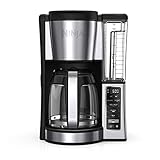
Ninja Fresh Brew Coffee Maker, 12 Cup Glass Carafe, Stainless Steel, CE251 | Programmable, Classic & Rich brew, 70-oz. Removable Water Reservoir, Small Batch, 24-hr Delay Brew, Adjustable Warming Plate | Check Price On Amazon |

|
Hamilton Beach 2-Way Programmable Coffee Maker & Single Serve Coffee Maker | 12 Cup Glass Carafe | Black with Stainless Steel Accents | 49980RG | Check Price On Amazon |

|
Keurig K-Elite Single Serve K-Cup Pod Coffee Maker, Brushed Slate | Strength and Temperature Control, Iced Coffee Capability, 8 to 12oz Brew Size, Programmable | Check Price On Amazon |

|
KRUPS Simply Brew Compact 5 Cup Coffee Maker: Stainless Steel Design, Pause & Brew, Keep Warm, Reusable Filter, Drip-Free Carafe | Check Price On Amazon |

|
Ninja Luxe Café Premier 3-in-1 Espresso Machine, Drip Coffee, & Cold Brew | Built-in Grinder, Hands-Free Milk Frother, and Assisted Tamper for Cappuccinos & Lattes, Stainless Steel, ES601 | Check Price On Amazon |
Brewing time directly correlates with extraction percentage. Shorter contact times under-extract coffee, producing sour, acidic flavors from incomplete dissolution of sugars and acids. Longer contact times over-extract coffee, creating bitter compounds like tannins and chlorogenic acids that mask origin flavors.
The Science Behind Extraction Timing
Coffee extraction follows predictable patterns during brewing. Acids and simple sugars extract within the first 30-60 seconds, providing brightness and sweetness. Complex sugars and aromatic compounds require 2-4 minutes for full dissolution. Bitter compounds extract last, beginning around minute 4-6 depending on grind size and temperature.
Water temperature and grind surface area exponentially affect extraction rate. Fine grinds expose more surface area, accelerating extraction speed. Coarser grinds require longer contact times to achieve equivalent extraction levels.
How Brewing Time Affects Flavor Development
Proper timing balance delivers sweetness, acidity, and body in harmonious proportions. Under-extracted coffee tastes sour, weak, and lacks body due to insufficient sugar extraction. Over-extracted coffee becomes bitter, astringent, and loses origin characteristics through excessive tannin dissolution.
Professional cupping protocols standardize brewing time at 4 minutes for evaluation consistency. This duration allows complete extraction assessment without time variables affecting taste scores.
Optimal Brewing Times for Different Coffee Methods
Each brewing method requires specific timing based on grind size, water temperature, and extraction mechanism. These ranges represent professional barista standards developed through SCA research and competition brewing protocols.
| Brewing Method | Optimal Time Range | Grind Size | Extraction Style |
|---|---|---|---|
| Espresso | 25-35 seconds | Fine (200-400 microns) | Pressure extraction |
| Pour Over (V60, Chemex) | 2:30-4:00 minutes | Medium (600-900 microns) | Gravity drip |
| French Press | 4:00-6:00 minutes | Coarse (1000+ microns) | Immersion |
| AeroPress | 1:00-2:30 minutes | Medium-Fine (400-600 microns) | Pressure immersion |
| Cold Brew | 12-24 hours | Extra Coarse (1200+ microns) | Extended immersion |
These timeframes assume proper grind size matching and water temperature between 195-205°F for hot brewing methods. Deviation from these ranges typically indicates grind size adjustment needs rather than timing modification.
Espresso Timing Precision
Espresso demands the most precise timing control due to fine grind size and high extraction pressure. Traditional Italian espresso targets 25-30 seconds for darker roasts. Modern specialty coffee extends timing to 30-35 seconds for lighter roasts to achieve complete fruit acid extraction.
Every 2-second timing change significantly impacts flavor balance. Shots pulling faster than 25 seconds often taste sour and weak. Shots exceeding 35 seconds develop bitter, ashy flavors from over-extraction.
Pour Over Timing Variables
Pour over timing includes bloom phase (30-45 seconds) plus total drain time. Bloom duration allows CO2 release from fresh-roasted beans, preventing uneven extraction. Total brew time varies with grind size, pour technique, and filter paper density.
Champion baristas typically achieve 3:00-3:30 total brew time for optimal pour over extraction with consistent flavor clarity. Faster drip times indicate overly coarse grinding. Slower times suggest fine grinding or clogged filter paper.
How to Measure and Control Brewing Time Accurately
Precise timing requires digital tools and consistent methodology. Professional baristas use dedicated brewing timers, smartphone apps, or espresso machine timers for accuracy within 1-2 second precision.
Start timing when water first contacts coffee grounds, not when you begin pouring. For immersion methods like French press, begin timing immediately after adding water. For drip methods, start timing at first pour contact.
Essential Timing Equipment
Digital brewing scales with integrated timers provide the most accuracy and convenience. These scales display weight and time simultaneously, enabling precise recipe replication. Popular models include Acaia Pearl, Hario V60 Drip Scale, and Brewista Smart Scale.
Smartphone timer apps work effectively for basic timing needs. Dedicated coffee apps like Brewfather or Coffee Project calculate brewing ratios while tracking extraction time. Avoid analog stopwatches due to imprecise start/stop timing.
Timing Start and Stop Points
Consistent timing methodology eliminates variables that affect brewing reproducibility. For pour over methods, start timing at first water contact during bloom phase. Stop timing when dripping ceases completely.
Espresso timing begins when pump activation starts, not when liquid appears. Modern espresso machines display shot timers automatically. Manual lever machines require external timing from initial lever pull.
Variables That Affect Coffee Brewing Time
Multiple factors influence optimal brewing duration beyond basic method selection. Understanding these variables enables precise timing adjustments for different coffee origins, roast levels, and equipment configurations.
Grind size represents the primary variable affecting extraction rate. Each step finer doubles extraction surface area, requiring proportional timing reduction. Conversely, coarser grinds need extended contact time for equivalent extraction levels.
Roast Level Impact on Timing
Light roasts maintain denser cellular structure, requiring longer extraction times to achieve complete flavor development. Dark roasts develop more porous structure during extended roasting, extracting faster at identical grind settings.
Professional roasters recommend adding 15-30 seconds to pour over brewing time for light roasts compared to medium roasts. Espresso timing typically increases 3-5 seconds for light roast single origins versus dark roast blends.
Water Temperature Effects
Higher water temperatures accelerate extraction kinetics, reducing required contact time. Every 10°F temperature increase doubles extraction rate according to brewing chemistry research. Lower temperatures extend necessary brewing duration proportionally.
Cold brew methods compensate for 70°F water temperature through 12-24 hour contact time. This extended duration achieves similar extraction percentages to 4-minute hot brewing at 200°F.
Coffee Age and Degassing
Fresh-roasted coffee contains significant CO2 levels that interfere with water contact during brewing. Coffee aged 3-14 days post-roast extracts more efficiently than day-of-roast coffee, often requiring timing adjustments.
Extremely fresh coffee may need 30-60 seconds additional brewing time to compensate for CO2 interference. Coffee older than 30 days may require timing reduction due to flavor compound degradation.
Impact of Brewing Time on Coffee Flavor Profile
Brewing time directly shapes coffee flavor balance through selective compound extraction. Understanding this relationship enables targeted flavor adjustments without changing coffee beans or brewing equipment.
Acidic compounds extract quickly within the first minute of contact time. Sweet compounds require 2-4 minutes for complete dissolution. Bitter compounds extract slowly, becoming prominent after 4-6 minutes of contact.
Under-Extraction Flavor Characteristics
Short brewing times produce under-extracted coffee with dominant acidity and lack of sweetness. These coffees taste sharp, sour, and thin-bodied due to incomplete sugar extraction. Salt-like mineral notes often appear when extraction falls below 18% yield.
Common under-extraction indicators include excessive brightness, lack of sweetness, thin mouthfeel, and rapid flavor fade. Increasing brewing time by 10-20% typically resolves these characteristics.
Over-Extraction Flavor Signs
Extended brewing times create over-extracted coffee with bitter, astringent flavors that mask origin characteristics. These coffees taste dry, harsh, and develop unpleasant aftertastes from excessive tannin dissolution.
Over-extraction symptoms include persistent bitterness, dry mouthfeel, gray or ashy flavors, and overwhelming astringency. Reducing brewing time by 15-25% usually corrects these issues while maintaining proper strength.
Achieving Flavor Balance Through Timing
Optimal brewing time balances acidity, sweetness, and bitterness in harmonious proportions. This sweet spot varies by coffee origin, roast level, and personal taste preferences but generally occurs around 20-22% extraction yield.
Professional cupping techniques identify this balance point through systematic tasting at different extraction levels. Home brewers can achieve similar results by adjusting timing in 15-30 second increments while tracking flavor changes.
Troubleshooting Common Brewing Time Issues
Brewing time problems typically stem from grind size mismatches, equipment limitations, or inconsistent technique. Systematic troubleshooting identifies root causes and implements effective solutions.
Fast brewing times usually indicate overly coarse grinding for the chosen method. Slow brewing times suggest fine grinding, clogged filters, or technique issues affecting water flow rate.
Espresso Shot Timing Problems
Espresso shots pulling too fast lack proper resistance from coffee puck density. Solutions include finer grinding, increased dose weight, or improved tamping technique. Target 18-20 grams dose for double shots with proper tamping pressure.
Slow espresso shots indicate excessive resistance from over-fine grinding or channeling issues. Adjust to coarser grind settings or improve puck preparation technique. Uneven tamping creates water channeling that extends extraction time unpredictably.
Pour Over Timing Issues
Pour over brews finishing too quickly need finer grind adjustment or slower pouring technique. Rapid drip rates prevent adequate contact time for proper extraction. Use controlled pour technique with steady, circular motions.
Extremely slow pour over times suggest grind size too fine for filter capacity. Adjust to coarser setting or switch to different filter papers with faster flow rates. Some paper filters naturally slow drainage regardless of grind adjustment.
Immersion Method Timing Adjustments
French press brewing time requires minimal adjustment since immersion methods control contact duration independently of grind size. However, grind size affects extraction efficiency within the fixed time period.
AeroPress timing varies significantly with technique. Standard method uses 1:00-1:30 steeping before pressing. Inverted method allows extended steeping up to 3:00 minutes for fuller extraction. Adjust timing based on desired strength and flavor balance.
Testing and Optimizing Your Brewing Time
Systematic testing methodology identifies optimal brewing time for specific coffee beans, equipment, and taste preferences. This process requires consistent variables and careful documentation of results.
Begin testing with standard timing recommendations for your chosen brewing method. Adjust in 15-30 second increments while maintaining consistent grind size, coffee-to-water ratio, and water temperature throughout testing.
Creating a Timing Test Protocol
Use identical coffee doses and water amounts for each timing test. Prepare multiple cups simultaneously when possible to eliminate variables like grind size changes or water temperature fluctuation between tests.
Document timing changes alongside tasting notes for each variation. Rate acidity, sweetness, bitterness, and overall balance on a 1-10 scale. This systematic approach identifies optimal timing more reliably than memory-based assessment.
Measuring Extraction Yield
Total Dissolved Solids (TDS) measurement provides objective extraction data beyond subjective taste evaluation. Coffee refractometers measure brew strength precisely, enabling calculation of extraction percentages.
Target extraction yields between 18-22% for optimal flavor balance. TDS readings between 1.20-1.45% indicate proper brew strength for most brewing methods. Combine TDS data with timing records to identify optimal parameters objectively.
Adjusting for Different Coffee Origins
Single origin coffees require timing customization based on processing method, altitude, and variety characteristics. Washed process coffees typically extract faster than natural process coffees due to different cellular structure development.
High-altitude coffees often need extended brewing time compared to lower-elevation beans. Dense bean structure from slow maturation requires additional contact time for complete extraction. Adjust timing 10-15% longer for high-grown origins initially.
Expert Guidelines for Professional-Level Brewing Time Control
Professional baristas and coffee competition champions follow specific timing protocols developed through extensive testing and scientific research. These guidelines represent current industry best practices for optimal extraction.
SCA certified professionals recommend timing consistency within ±5 seconds for espresso and ±15 seconds for manual brewing methods. This precision enables reproducible results and quality consistency in commercial environments.
Competition Brewing Standards
World Barista Championship competitors demonstrate timing precision through standardized brewing protocols. Pour over champions typically achieve 3:00-3:30 total brew time with bloom phases lasting 45 seconds exactly.
Espresso competition standards require shot timing between 20-30 seconds for double shots. Judges evaluate consistency across multiple preparations, penalizing timing variations exceeding 3 seconds between shots.
Q Grader Timing Protocols
Licensed Q Graders follow standardized cupping timing for coffee quality assessment. Cupping protocol specifies 4:00 minutes steeping time exactly, ensuring consistent evaluation conditions across different origins and roasters.
Professional cupping uses coarse grind size (similar to French press) with 200°F water temperature. This combination requires precisely 4 minutes for optimal extraction without over-extraction bitterness interfering with origin character assessment.
Café Quality Control Methods
Successful coffee shops implement timing documentation systems for consistency maintenance. Barista training emphasizes timing precision as fundamental to drink quality and customer satisfaction.
Many specialty cafés post brewing parameter cards above each station, displaying optimal timing ranges for different coffee offerings. This visual reference system maintains quality standards during busy service periods and staff training.
Advanced Brewing Time Optimization Techniques
Advanced brewing techniques manipulate timing through multi-stage extraction methods, temperature profiling, and pressure variation. These methods enable precision flavor development beyond standard single-stage brewing approaches.
Pulse pouring techniques for pour over methods control extraction timing through multiple water additions. This approach manages extraction rate more precisely than continuous pouring, enabling targeted flavor enhancement.
Multi-Stage Extraction Timing
Bloom phase timing affects overall extraction efficiency and flavor development. Optimal bloom duration ranges from 30-45 seconds, allowing CO2 release without excessive heat loss. Longer bloom phases may improve extraction uniformity for very fresh coffee.
Secondary pour timing in pour over methods controls extraction progression. Fast initial pours extract acids quickly, while slower final pours develop sweetness and body. Advanced practitioners adjust pour timing based on desired flavor emphasis.
Temperature Profiling Integration
Combining timing control with temperature variation enables sophisticated flavor manipulation. Starting with higher temperatures accelerates acid extraction, while finishing with lower temperatures prevents over-extraction of bitter compounds.
Professional brewing systems allow temperature profiling throughout extraction duration. Home brewers can achieve similar results by controlling water temperature between pour stages or using variable temperature kettles with precise control.
Pressure Profiling and Timing
Espresso pressure profiling coordinates timing with pressure variation for optimal extraction control. Pre-infusion phases at reduced pressure extend total contact time while preventing channeling formation.
Manual lever espresso machines enable pressure profiling through operator control. Experienced baristas extend pre-infusion to 8-12 seconds, then apply full pressure for remaining extraction time. This technique requires timing adjustment compared to standard pump-driven espresso.
Common Misconceptions About Coffee Brewing Time
Several widespread myths about brewing time persist among coffee enthusiasts, often leading to suboptimal extraction and flavor development. Understanding these misconceptions prevents common brewing errors.
Many believe longer brewing time always produces stronger coffee. However, strength depends on coffee-to-water ratio, not contact time. Extended brewing primarily affects extraction percentage and flavor balance rather than caffeine content or perceived strength.
Myth: Darker Roasts Need Longer Brewing Time
Contrary to popular belief, darker roasts extract faster than lighter roasts due to increased porosity from extended roasting. Dark roasted coffee typically requires 10-15% shorter brewing time compared to light roasts for equivalent extraction levels.
This misconception leads to over-extraction when applying light roast timing to dark roast coffee. Professional roasters provide specific brewing guidelines acknowledging this difference for optimal flavor development.
Myth: Expensive Equipment Automatically Improves Timing
High-end brewing equipment provides better temperature stability and flow control but doesn’t automatically optimize brewing time. Proper technique and understanding remain essential regardless of equipment quality.
Many expensive espresso machines include shot timers and pressure gauges, but these tools require knowledge application for optimal results. Understanding brewing fundamentals remains more important than equipment specifications.
Myth: Grinding Finer Always Fixes Weak Coffee
Weak coffee often indicates insufficient coffee dose rather than grind size issues. Grinding finer without adjusting timing can create over-extraction, producing bitter flavors while maintaining weak body and caffeine perception.
Proper diagnosis requires taste evaluation and systematic adjustment. Weak, sour coffee needs finer grinding or longer timing. Weak, bitter coffee needs increased dose weight rather than grind or timing changes.
Brewing Time Considerations for Different Coffee Bean Types
Coffee origin, processing method, and roast development significantly impact optimal brewing time requirements. Professional roasters provide brewing guidelines specific to their coffee offerings for optimal flavor development.
Washed process coffees extract more uniformly due to consistent moisture content and cellular structure. Natural process coffees require extended brewing time for complete sugar extraction from fruit-dried coffee cherries.
Single Origin Timing Adjustments
Ethiopian coffees typically require extended brewing time compared to Central American origins due to heirloom variety characteristics and processing differences. Kenyan coffees extract efficiently due to washing process consistency and high altitude density.
Geisha variety coffees need careful timing control to balance delicate floral notes with structural sweetness. These expensive coffees benefit from slightly longer brewing time than standard varieties for complete flavor development.
Blend Optimization Strategies
Coffee blends require timing optimization for multiple origins simultaneously. Master blenders create recipes considering each component’s extraction characteristics and timing requirements.
Espresso blends typically combine fast-extracting darker roasted coffee with slower-extracting lighter roasted components. This approach requires timing balance that optimizes both components without over-extracting either portion.
Seasonal and Environmental Factors Affecting Brewing Time
Environmental conditions influence brewing time requirements through humidity, temperature, and atmospheric pressure variations. Professional baristas adjust brewing parameters seasonally for consistent quality maintenance.
High humidity environments affect coffee bean moisture content, altering extraction rate and optimal timing. Dry climates may require timing adjustments as coffee beans lose moisture more rapidly.
Altitude and Atmospheric Pressure Effects
High altitude locations experience reduced atmospheric pressure, affecting water boiling temperature and extraction kinetics. Coffee brewed above 5,000 feet elevation may require timing adjustments for optimal extraction.
Lower boiling temperatures at altitude reduce extraction efficiency, requiring longer contact time or grind size adjustment. Professional baristas in high-altitude locations document these adjustments for consistency.
Water Quality Impact on Timing
Water mineral content affects extraction rate and optimal brewing time. Soft water extracts coffee more aggressively, requiring shorter contact time. Hard water may need extended brewing time for equivalent extraction levels.
Professional water testing identifies mineral content that influences brewing parameters. Optimal water composition for coffee brewing contains 75-150 ppm total dissolved solids with balanced calcium and magnesium levels for consistent extraction timing.
Frequently Asked Questions About Coffee Brewing Time
How long should I brew coffee in a French press?
French press coffee requires 4-6 minutes brewing time for optimal extraction. Use 4 minutes for medium roast coffee and extend to 5-6 minutes for light roasts. Longer steeping times extract more flavor but may introduce bitterness from over-extraction.
Why does my espresso shot pull too fast?
Fast espresso shots indicate coarse grind size or insufficient coffee dose creating inadequate resistance. Adjust grinder to finer setting or increase dose weight to 18-20 grams for double shots. Proper tamping technique also affects flow rate significantly.
What happens if I brew coffee too long?
Extended brewing time extracts bitter compounds like tannins and chlorogenic acids, creating harsh, astringent flavors. Over-extracted coffee tastes dry, bitter, and loses origin characteristics. Reduce brewing time by 15-25% to correct over-extraction issues.
Should brewing time change with different grind sizes?
Yes, brewing time requires adjustment when changing grind size. Finer grinds extract faster and need shorter contact time. Coarser grinds require longer brewing duration for equivalent extraction levels. Maintain brewing time when adjusting grind size within the same brewing method.
How do I time espresso shots accurately?
Start timing espresso shots when pump activation begins, not when liquid appears. Target 25-35 seconds for double shots depending on roast level. Use built-in machine timers or smartphone apps for precision within 2-second accuracy.
Does coffee bean age affect brewing time?
Fresh coffee (3-7 days post-roast) may need slightly longer brewing time due to CO2 interference with water contact. Very fresh coffee can require 30-60 seconds additional time. Coffee older than 30 days may need timing reduction due to flavor degradation.
Why does my pour over take too long to finish?
Slow pour over drainage indicates overly fine grind size or clogged filter paper. Adjust grinder to coarser setting first. If drainage remains slow, try different filter papers with faster flow rates or pour more slowly to prevent filter clogging.
Can I use the same timing for all coffee origins?
Different coffee origins require timing adjustments based on density, processing method, and roast level. Ethiopian coffees typically need longer extraction than Central American origins. Natural process coffees require extended time compared to washed process coffees for complete extraction.
How does water temperature affect brewing time?
Higher water temperatures accelerate extraction, reducing required brewing time. Every 10°F temperature increase doubles extraction rate. Lower temperatures extend necessary contact duration proportionally. Cold brew compensates for room temperature water through 12-24 hour contact time.
What brewing time produces the strongest coffee?
Coffee strength depends on coffee-to-water ratio, not brewing time. Extended brewing affects extraction percentage and flavor balance rather than caffeine content. Increase coffee dose weight rather than brewing time to achieve stronger coffee without over-extraction bitterness.
Should I adjust timing for decaf coffee?
Decaffeinated coffee typically requires 10-15% longer brewing time due to altered cellular structure from processing. The decaffeination process affects extraction rate, requiring timing adjustment for optimal flavor development. Start with standard timing and extend gradually based on taste evaluation.
How do I know if my brewing time is correct?
Correct brewing time produces balanced coffee with sweetness, acidity, and body in harmony. Under-extracted coffee tastes sour and weak. Over-extracted coffee becomes bitter and astringent. Target 18-22% extraction yield using TDS measurement for objective assessment of optimal timing.
Mastering coffee brewing time control enables consistent, delicious coffee extraction across all brewing methods. Understanding the science behind extraction timing, combined with systematic testing and adjustment, transforms home brewing from guesswork into precision. Whether you prefer espresso, pour over, or French press, applying these timing principles with quality equipment like a reliable burr grinder and accurate brewing scale will elevate your coffee quality significantly. Start with established timing guidelines for your preferred method, then fine-tune based on taste preferences and specific coffee characteristics for consistently exceptional results.