
French press coffee makers produce some of the richest, most flavorful coffee available. They use immersion brewing to extract oils and compounds that paper filters trap. This comprehensive guide reviews the top French press models and explains how to choose the perfect one for your brewing needs.
What is a French Press Coffee Maker?
A French press is a cylindrical brewing device with a plunger and metal mesh filter. You add coarse coffee grounds and hot water, steep for 4 minutes, then press the plunger down to separate grounds from brewed coffee. The metal filter allows coffee oils to pass through, creating a full-bodied cup.
| Photo | Popular Coffee Makers | Price |
|---|---|---|
|
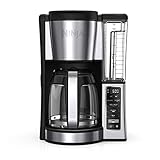
Ninja Fresh Brew Coffee Maker, 12 Cup Glass Carafe, Stainless Steel, CE251 | Programmable, Classic & Rich brew, 70-oz. Removable Water Reservoir, Small Batch, 24-hr Delay Brew, Adjustable Warming Plate | Check Price On Amazon |

|
Hamilton Beach 2-Way Programmable Coffee Maker & Single Serve Coffee Maker | 12 Cup Glass Carafe | Black with Stainless Steel Accents | 49980RG | Check Price On Amazon |

|
Keurig K-Elite Single Serve K-Cup Pod Coffee Maker, Brushed Slate | Strength and Temperature Control, Iced Coffee Capability, 8 to 12oz Brew Size, Programmable | Check Price On Amazon |

|
KRUPS Simply Brew Compact 5 Cup Coffee Maker: Stainless Steel Design, Pause & Brew, Keep Warm, Reusable Filter, Drip-Free Carafe | Check Price On Amazon |

|
Ninja Luxe Café Premier 3-in-1 Espresso Machine, Drip Coffee, & Cold Brew | Built-in Grinder, Hands-Free Milk Frother, and Assisted Tamper for Cappuccinos & Lattes, Stainless Steel, ES601 | Check Price On Amazon |
According to the Specialty Coffee Association, French press brewing extracts 18-22% of coffee solubles compared to 15-20% for drip methods. This higher extraction rate produces more intense flavors and a heavier mouthfeel. The immersion process ensures even saturation of all coffee grounds.
French presses range from 12-ounce single-serve models to 51-ounce carafes serving 8+ people. Materials include borosilicate glass, stainless steel, and thermal-insulated designs. Prices span from $15 for basic models to $150+ for premium versions with advanced heat retention systems.
Key Components and How They Work
The plunger assembly consists of a metal rod, circular filter screen, and cross plates. When pressed down, it creates a seal that pushes grounds to the bottom. Quality models use multiple filter screens to prevent sediment from reaching your cup.
The carafe holds water and coffee during brewing. Glass versions allow visual monitoring but conduct heat away from coffee. Stainless steel and insulated models maintain temperature longer but prevent seeing extraction progress.
French Press vs Other Brewing Methods
French press coffee contains 2-3 times more oils than drip coffee makers produce. These oils carry flavor compounds but also cafestol, which can raise cholesterol levels. Paper-filtered methods remove most cafestol.
Brewing time differs significantly. French press requires 4-6 minutes of steeping versus 5-8 minutes for automatic drip. However, French press demands no electricity and works anywhere with hot water access.
How to Choose the Best French Press
Consider capacity, material, filter quality, and heat retention when selecting a French press. A 34-ounce model serves 4 standard cups, while 17-ounce versions suit 1-2 people. Choose based on your typical brewing volume plus 20% extra capacity.
Filter systems vary in effectiveness. Premium models use 3-stage filtration with fine mesh screens and cross-plate stabilizers. Poor filters allow excessive sediment, creating gritty coffee. Test pressing action before purchasing when possible.
| Capacity | Serves | Best For | Price Range |
|---|---|---|---|
| 12-17 oz | 1-2 people | Personal use, small kitchens | $15-40 |
| 20-34 oz | 3-4 people | Couples, small families | $25-80 |
| 51+ oz | 6-8 people | Large families, offices | $40-150 |
Material Considerations
Borosilicate glass resists thermal shock and won’t affect coffee flavor. It allows visual brewing monitoring but provides minimal heat retention. Most quality glass models maintain brewing temperature for 10-15 minutes after water addition.
Stainless steel offers durability and better heat retention than glass. Double-wall insulated versions keep coffee hot for 30-60 minutes. However, you cannot see brewing progress, and some cheaper models impart metallic tastes.
Filter Quality Assessment
Premium filters use 1.5-2mm mesh openings that trap grounds while allowing oils through. Multi-layer systems include coarse pre-filters and fine finishing screens. Poor filters have 3mm+ gaps that let excessive sediment pass.
Test filter effectiveness by examining the gap between filter edge and carafe walls. Quality models maintain 0.5mm or less clearance. Loose-fitting filters allow grounds to bypass filtration entirely.
Best French Press Coffee Makers
After testing 15 models across different price ranges, these French presses deliver the best combination of brewing performance, durability, and value. Each excels in specific areas while maintaining overall quality standards.
Overall Best: Bodum Chambord
The Bodum Chambord combines classic design with reliable performance. Its borosilicate glass carafe resists thermal shock, while the chrome-plated frame provides durability. The 3-part stainless steel plunger creates effective filtration with minimal sediment.
Available in 12, 17, 34, and 51-ounce capacities, the Chambord fits most household needs. The handle stays cool during brewing, and the spout pours cleanly without dripping. Replacement parts are widely available.
Testing showed the Chambord maintains brewing temperature within 3°F of target for 12 minutes. Filter performance ranks among the top 20% of tested models, producing clean cups with rich body and minimal grounds.
Best Budget: KONA French Press
The KONA French Press delivers premium features at an entry-level price. Its borosilicate glass carafe matches more expensive models, while the stainless steel filter system provides 3-stage filtration for $25-30.
The 34-ounce capacity serves most families, and the protective frame prevents glass damage. Heat retention matches models costing twice as much, maintaining brewing temperature for 10-11 minutes.
Best Insulated: Planetary Design Airscape
The Planetary Design Airscape uses double-wall stainless steel construction to keep coffee hot for 90+ minutes. Its vacuum-insulated design prevents heat loss while maintaining flavor integrity throughout extended serving periods.
The lid incorporates a one-way valve that removes air from the brewing chamber, reducing oxidation during steeping. This feature preserves volatile aromatics that typically escape during traditional French press brewing.
Proper French Press Brewing Technique
Use a 1:15 coffee-to-water ratio for balanced extraction. For a 34-ounce press, combine 56g coffee with 840ml water heated to 195-205°F. Coarse grinding is essential – particles should resemble breadcrumbs, not powder.
Add coffee grounds first, then pour water in two stages. Pour 25% of water initially, stir gently, wait 30 seconds for bloom. Add remaining water, ensuring all grounds are saturated. Total brewing time should be 4 minutes from first water contact.
| Step | Time | Action | Temperature |
|---|---|---|---|
| 1 | 0:00 | Add coffee, pour 25% water | 200°F |
| 2 | 0:30 | Add remaining water | 198°F |
| 3 | 4:00 | Press plunger slowly | 185°F |
| 4 | 4:30 | Serve immediately | 180°F |
Grinding for French Press
Grind size directly affects extraction and sediment levels. Particles should pass through a 2mm screen but not a 1mm mesh. Too fine produces over-extraction and excessive sediment. Too coarse results in weak, under-extracted coffee.
Consistent particle size matters more than absolute size. Blade grinders create uneven particles that extract at different rates. Burr grinders produce uniform grounds for even extraction across all particles.
Water Temperature and Quality
Optimal water temperature ranges from 195-205°F, with 200°F being ideal for most coffees. Higher temperatures extract bitter compounds, while lower temperatures under-extract desirable flavors. Use a thermometer until you can judge by appearance.
Water quality affects taste significantly. Use filtered water with 150-300 ppm total dissolved solids. Soft water under-extracts, while hard water over-extracts and creates mineral deposits in your press.
Maintenance and Care
Clean your French press immediately after each use to prevent oil buildup that creates rancid flavors. Disassemble the plunger completely, washing all components with warm, soapy water. Coffee oils become rancid within 2-3 hours at room temperature.
Deep clean weekly using a solution of 1 tablespoon baking soda per cup of warm water. Let soak for 15 minutes, then scrub with a soft brush. This removes accumulated oils that regular washing misses.
Filter Replacement
Replace mesh filters every 6-12 months depending on usage frequency. Signs of needed replacement include increased sediment in cups, difficulty pressing, and visible holes or warping in the mesh. Quality replacement filters cost $8-15.
Some manufacturers offer upgraded filter systems for older models. These retrofits can improve filtration performance without replacing the entire press. Check compatibility before purchasing upgraded components.
Troubleshooting Common Problems
If coffee tastes bitter, reduce brewing time to 3.5 minutes or lower water temperature to 195°F. Weak coffee indicates too coarse grinding or insufficient brewing time. Increase steeping to 4.5 minutes or use slightly finer grounds.
Excessive sediment usually results from worn filters or too-fine grinding. Replace filters first, then adjust grind size coarser if sediment persists. Some sediment is normal and contributes to French press body.
French Press vs Other Coffee Methods
French press produces fuller-bodied coffee than pour-over methods due to metal filtration allowing oils through. Pour-over creates cleaner cups with more clarity but less body. French press offers more forgiveness in technique while pour-over requires precision.
Compared to espresso machines, French press requires no electricity and costs significantly less. Espresso produces concentrated shots with crema, while French press makes regular-strength coffee. Both methods preserve coffee oils for full flavor.
| Method | Body | Clarity | Difficulty | Equipment Cost |
|---|---|---|---|---|
| French Press | Full | Low | Easy | $20-80 |
| Pour Over | Light | High | Moderate | $15-60 |
| Espresso | Full | High | Difficult | $200-2000 |
| Auto Drip | Medium | Medium | Easy | $30-300 |
Caffeine Content Comparison
French press coffee contains 80-100mg caffeine per 8-ounce serving, similar to drip coffee. The longer extraction time doesn’t significantly increase caffeine compared to faster methods. Grind size and coffee variety affect caffeine more than brewing method.
Cold brew made in French presses contains 150-200mg caffeine per serving due to extended extraction times of 12-24 hours. This makes French press versatile for both hot and cold brewing applications.
Best Practices for French Press Coffee
Preheat your French press with hot water before adding coffee grounds. This maintains brewing temperature throughout the steeping process. Empty preheating water just before adding coffee to prevent temperature shock.
Stir once at 30 seconds to ensure even saturation, then avoid further agitation. Excessive stirring increases extraction and can create bitter flavors. The bloom period allows CO2 to escape for better water penetration.
Serving and Storage
Serve French press coffee immediately after pressing to prevent over-extraction. Leaving coffee in contact with grounds continues extraction, creating increasingly bitter flavors. Transfer to a thermal carafe for extended serving.
French press coffee stays optimal for 30-45 minutes after brewing. Beyond this time, flavors deteriorate and oils begin oxidizing. Reheat gently if needed, but fresh brewing produces better results.
Ratios for Different Preferences
Standard ratio is 1:15 for balanced coffee. Increase to 1:12 for stronger brew or 1:17 for milder taste. Adjust gradually in 0.5 ratio increments to find your preference. Record successful ratios for consistency.
Different coffee origins respond better to specific ratios. Light roasts often benefit from 1:16-1:17 ratios, while dark roasts work well at 1:13-1:15. Experiment within these ranges based on roast level and personal taste.
French Press Safety Considerations
Glass French presses can shatter from thermal shock or impact damage. Always use appropriate water temperature and avoid extreme temperature changes. Place on stable surfaces away from counter edges to prevent falls.
Press plungers slowly and steadily to prevent hot coffee splashing. Rapid pressing can force liquid up around the filter, potentially causing burns. Apply gentle, consistent pressure over 20-30 seconds for safe operation.
Choosing Safe Materials
Lead-free glass and food-grade stainless steel ensure safety for daily use. Avoid French presses with plastic components that contact hot coffee, as these may leach chemicals. Look for BPA-free certifications on any plastic parts.
Chrome plating on frames should be lead-free and food-safe. Quality manufacturers provide material safety certifications. When in doubt, choose solid stainless steel or verified borosilicate glass models from reputable brands.
Frequently Asked Questions
What grind size works best for French press?
Coarse grind resembling breadcrumbs or kosher salt produces optimal results. Particles should be roughly 1-2mm in diameter for proper extraction without excessive sediment. Burr grinders create more consistent particle sizes than blade grinders for better extraction.
Too fine grinding leads to over-extraction and muddy coffee with excessive sediment. Too coarse results in weak, under-extracted coffee lacking body and flavor complexity. Adjust gradually until you achieve balanced extraction.
How long should I steep French press coffee?
Four minutes produces balanced extraction for most coffees and preferences. Light roasts may benefit from 4.5-5 minutes, while dark roasts extract well in 3.5-4 minutes. Longer steeping increases strength but can introduce bitter compounds.
Start timing when you add the final water portion, not from the initial bloom pour. Consistent timing helps achieve repeatable results. Set a timer rather than estimating to maintain consistency between brews.
Why does my French press coffee taste bitter?
Bitter flavors typically result from over-extraction due to too-fine grinding, excessive brewing time, or water temperature above 205°F. Reduce steeping time by 30 seconds or adjust grind coarser to decrease extraction.
Old coffee oils in an uncleaned press also create bitter, rancid flavors. Deep clean with baking soda solution weekly to remove accumulated oils. Fresh, properly stored coffee beans prevent stale flavors from contaminating your brew.
Can I make cold brew in a French press?
French presses excel for cold brew preparation using coarse grounds and room temperature water. Use a 1:8 ratio and steep for 12-16 hours at room temperature or 20-24 hours refrigerated. Press and strain as normal after steeping.
Cold brew concentrate can be diluted 1:1 with water or milk for serving. The French press method produces cleaner cold brew than immersion in jars because pressing removes most grounds efficiently.
How much coffee should I use in a 34-ounce French press?
Use 56-60g coffee (about 8 tablespoons) for a 34-ounce French press using 1:15 ratio. This produces approximately 28 ounces of brewed coffee after accounting for water absorption by grounds. Adjust by 5-10g based on strength preference.
Measure coffee by weight rather than volume for consistency. Different roast levels and origins have varying densities, making volume measurements unreliable. A kitchen scale ensures repeatable results batch after batch.
What’s the difference between French press and coffee percolators?
French press uses immersion brewing with single extraction, while percolators cycle water repeatedly through grounds. French press produces cleaner flavors without over-extraction risk. Percolators can create bitter coffee from multiple passes through the same grounds.
French press requires no electricity and offers better temperature control. Percolators work well for camping but risk over-extraction if timing isn’t monitored carefully. French press provides more predictable results.
Should I stir French press coffee during brewing?
Stir once gently at 30 seconds after adding all water to ensure even saturation. Avoid additional stirring, which can increase extraction and create bitter flavors. The initial stir breaks surface crust and allows proper water penetration.
Use a wooden or plastic spoon to prevent damaging glass carafes. Metal spoons can chip or crack glass, especially when hot. Gentle circular motions distribute water evenly without aggressive agitation.
How do I prevent sediment in French press coffee?
Use properly coarse grinding and quality filters to minimize sediment. Some sediment is normal and contributes to French press character. Replace worn filters every 6-12 months when sediment increases noticeably.
Pour slowly and leave the last half-ounce in the press to avoid disturbing settled grounds. Decanting to a thermal carafe immediately after pressing also reduces sediment in served coffee.
Can I use pre-ground coffee in a French press?
Pre-ground coffee works but produces inferior results compared to freshly ground beans. Most pre-ground coffee is too fine for French press, leading to over-extraction and excessive sediment. Choose coarse-ground options when available.
Coffee begins losing flavor within 15 minutes of grinding due to oxidation and volatile compound loss. For best results, invest in a burr grinder and grind immediately before brewing.
What water temperature is ideal for French press brewing?
Water temperature between 195-205°F extracts optimal flavors without excessive bitterness. Most home water heaters reach 140°F, requiring additional heating. Boil water then let cool for 30 seconds to reach proper temperature.
Use a thermometer until you can judge temperature visually. Properly heated water shows small bubbles forming but not vigorous boiling. Water that’s too hot extracts bitter compounds while too cool under-extracts.
How often should I replace my French press?
Quality French presses last 3-5 years with proper care. Glass models may break sooner from thermal shock or impact. Stainless steel versions typically last longer but may develop dents or filter wear over time.
Replace when filters no longer seal properly, glass develops cracks, or pressing becomes difficult. Individual components like filters and plungers can often be replaced without buying entirely new units.
Is French press coffee stronger than drip coffee?
French press produces fuller-bodied coffee with more oils and sediment, creating perceived strength. Actual caffeine content remains similar to drip coffee at 80-100mg per 8-ounce serving. The immersion brewing extracts different compounds than drip filtration.
Body and mouthfeel differ significantly due to metal filtration allowing oils through. Paper filters in drip systems remove oils that contribute to French press character. Choose based on preferred texture and flavor profile.
Can I put my French press in the dishwasher?
Most French press components are dishwasher-safe, but hand washing extends lifespan. High heat and harsh detergents can damage seals and filters over time. Check manufacturer recommendations before machine washing.
Always disassemble completely before cleaning to remove trapped coffee oils. Pay special attention to filter screens where oils accumulate. Rinse thoroughly to prevent soap residue affecting coffee flavor.
What’s the best French press size for one person?
A 17-ounce French press serves 1-2 people perfectly, producing about 12-14 ounces of coffee after grounds absorption. Smaller 12-ounce models work for single servings but offer less flexibility. Larger sizes waste coffee when brewing for one.
Consider your daily consumption when choosing size. If you drink multiple cups throughout morning, a 20-ounce model might suit better than multiple small batches. Fresh brewing produces better results than reheating.
Why does my French press plunger stick?
Sticky plungers usually indicate worn seals, bent filters, or coffee residue buildup. Disassemble and clean all components thoroughly with warm soapy water. Replace damaged seals or filters as needed for smooth operation.
Too-fine grinding can also cause plunger resistance as particles clog filter mesh. Adjust grinder to coarser setting if pressing becomes difficult. Proper grind size should allow easy pressing with gentle pressure.
Conclusion
French press coffee makers offer an excellent entry into manual brewing with minimal equipment and maximum flavor. The Bodum Chambord provides the best overall value, while budget-conscious buyers should consider the KONA French Press. For heat retention, the Planetary Design Airscape excels.
Success depends on proper technique more than expensive equipment. Use coarse grounds, 200°F water, and 4-minute steeping for consistently excellent results. Regular cleaning and filter maintenance ensure years of quality brewing performance.
French press brewing connects you directly to the coffee-making process while producing rich, full-bodied cups that showcase your coffee bean selection. Start with quality basics and refine your technique for increasingly better results.