
A coffee percolator creates strong, hot coffee by continuously cycling boiling water through coffee grounds using steam pressure and gravity. This brewing method produces a bold, full-bodied cup that many coffee enthusiasts prefer over modern drip methods. Understanding percolator types and proper brewing techniques helps you achieve consistent, flavorful results every time you brew.
What Is a Coffee Percolator?
A coffee percolator is a brewing device that extracts coffee by repeatedly cycling hot water through coffee grounds in a continuous loop. The percolator consists of a water chamber, a vertical tube, a perforated basket, and a lid with a transparent knob. According to the Specialty Coffee Association, percolators operate at temperatures between 195-205°F (90-96°C), creating optimal extraction conditions.
| Photo | Popular Coffee Makers | Price |
|---|---|---|
|
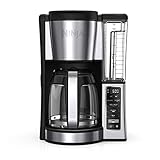
Ninja Fresh Brew Coffee Maker, 12 Cup Glass Carafe, Stainless Steel, CE251 | Programmable, Classic & Rich brew, 70-oz. Removable Water Reservoir, Small Batch, 24-hr Delay Brew, Adjustable Warming Plate | Check Price On Amazon |

|
Hamilton Beach 2-Way Programmable Coffee Maker & Single Serve Coffee Maker | 12 Cup Glass Carafe | Black with Stainless Steel Accents | 49980RG | Check Price On Amazon |

|
Keurig K-Elite Single Serve K-Cup Pod Coffee Maker, Brushed Slate | Strength and Temperature Control, Iced Coffee Capability, 8 to 12oz Brew Size, Programmable | Check Price On Amazon |

|
KRUPS Simply Brew Compact 5 Cup Coffee Maker: Stainless Steel Design, Pause & Brew, Keep Warm, Reusable Filter, Drip-Free Carafe | Check Price On Amazon |

|
Ninja Luxe Café Premier 3-in-1 Espresso Machine, Drip Coffee, & Cold Brew | Built-in Grinder, Hands-Free Milk Frother, and Assisted Tamper for Cappuccinos & Lattes, Stainless Steel, ES601 | Check Price On Amazon |
The brewing process works through thermal dynamics and pressure. Water in the bottom chamber heats until it creates steam pressure, forcing hot water up through the central tube. The water then sprays over the coffee grounds in the perforated basket, extracting oils and compounds before draining back to the bottom chamber.
Key Components and Function
The water chamber holds 4-12 cups of cold water depending on the percolator size. The vertical tube extends from the bottom to just below the coffee basket, creating the pathway for water circulation. The perforated basket sits at the top, holding 1-2 tablespoons of coffee grounds per cup of water.
The transparent knob in the lid allows you to monitor brewing progress by observing the water color. Light amber indicates weak extraction, while dark brown shows full extraction after 6-8 minutes of percolating.
Percolator vs Drip Coffee Makers
Percolators differ from drip coffee makers in extraction method and flavor profile. Percolators expose grounds to water multiple times, creating stronger, more concentrated coffee with 150-200mg caffeine per 8oz cup compared to 95mg in drip coffee.
| Feature | Percolator | Drip Coffee |
|---|---|---|
| Extraction Method | Continuous cycling | Single pass |
| Brew Temperature | 195-205°F | 200°F |
| Brew Time | 6-10 minutes | 4-6 minutes |
| Caffeine Content | 150-200mg/8oz | 95mg/8oz |
| Flavor Profile | Bold, strong | Balanced, mild |
Types of Coffee Percolators
Coffee percolators come in three main types: stovetop, electric, and camping models. Each type offers distinct advantages for different brewing situations and user preferences. Stovetop percolators provide maximum control over brewing variables, while electric models offer convenience and consistency.
Stovetop Percolators
Stovetop percolators operate on gas or electric burners, giving you complete control over heat application and brewing time. These models typically range from 2-12 cups capacity and are constructed from aluminum or stainless steel materials. The Farberware Classic Stainless Steel Percolator remains a popular choice for its durability and even heat distribution.
Heat control is critical with stovetop models. Start with medium-high heat to initiate percolating, then reduce to medium-low to maintain gentle bubbling. Excessive heat creates bitter, over-extracted coffee, while insufficient heat produces weak, under-extracted results.
Electric Percolators
Electric percolators feature built-in heating elements and automatic temperature controls. These units plug into standard 120V outlets and maintain consistent brewing temperatures without manual adjustment. Capacity ranges from 4-30 cups, making them suitable for households and small offices.
Electric models offer programmable features like automatic shut-off, keep-warm functions, and brew strength settings. The Presto 02822 6-Cup Stainless Steel Coffee Percolator includes a signal light that indicates when brewing is complete and automatically switches to keep-warm mode.
Camping Percolators
Camping percolators are designed for outdoor use over campfires, camp stoves, or portable burners. These models feature heavy-duty construction, heat-resistant handles, and compact designs for easy packing. Materials include enamel-coated steel or lightweight aluminum for portability.
The GSI Outdoors Glacier Stainless Coffee Percolator weighs just 1.5 pounds while brewing 8 cups of coffee. Its wide base provides stability over uneven heat sources, and the silicone handle stays cool during brewing.
How to Make Coffee in a Percolator
Making coffee in a percolator requires precise measurements, proper timing, and temperature control to achieve optimal extraction. The process involves filling the water chamber, adding coffee grounds, applying heat, and monitoring the brewing cycle. Following these steps ensures consistent, flavorful results without over-extraction or bitterness.
Step-by-Step Brewing Process
- Fill the water chamber: Add cold, filtered water to the bottom chamber using the 6oz water per serving ratio. Avoid overfilling past the maximum fill line.
- Insert the tube and basket: Place the vertical tube into the center of the water chamber, ensuring it sits flush on the bottom. Position the perforated basket on top of the tube.
- Add coffee grounds: Measure 1 tablespoon of coarse-ground coffee per 6oz of water. Distribute grounds evenly in the basket without packing down.
- Assemble and heat: Secure the lid and place on medium-high heat. For electric models, plug in and press the brew button.
- Monitor percolating: Watch the transparent knob for bubbling water. Percolating should begin within 3-5 minutes of heating.
- Reduce heat: Lower temperature to medium-low once percolating starts. Maintain gentle, consistent bubbling for 6-8 minutes total brew time.
- Remove from heat: Turn off heat source when coffee reaches desired strength. For electric models, most units switch to keep-warm automatically.
- Rest and serve: Let percolator rest for 2-3 minutes to allow grounds to settle before pouring.
Coffee-to-Water Ratios
The standard ratio for percolator coffee is 1 tablespoon of coffee grounds per 6oz of water, creating a 1:12 ratio by weight. This produces medium-strength coffee with balanced extraction. For stronger coffee, increase to 1.5 tablespoons per 6oz water, achieving a 1:8 ratio.
Grind size significantly impacts extraction efficiency. Use coarse grounds similar to French press consistency to prevent over-extraction and sediment in the final cup. Fine grounds create muddy coffee and may clog the perforated basket.
| Water Amount | Coffee Grounds | Strength Level | Brew Time |
|---|---|---|---|
| 6 cups (36oz) | 6 tablespoons | Medium | 6-7 minutes |
| 8 cups (48oz) | 8 tablespoons | Medium | 7-8 minutes |
| 10 cups (60oz) | 10 tablespoons | Medium | 8-9 minutes |
| 12 cups (72oz) | 12 tablespoons | Medium | 9-10 minutes |
Temperature and Timing Control
Proper temperature control prevents over-extraction and bitterness in percolator coffee. The initial heating phase should bring water to a boil quickly, typically 3-5 minutes on medium-high heat. Once percolating begins, reduce heat immediately to maintain water temperature between 195-205°F.
Brewing time varies based on desired strength and percolator size. Small 2-4 cup percolators require 4-6 minutes of percolating, while large 8-12 cup models need 8-10 minutes. Visual cues through the transparent knob help determine optimal brewing time as the water darkens from clear to amber to brown.
Choosing the Right Coffee for Percolators
Percolator brewing requires specific coffee characteristics to achieve optimal flavor extraction and avoid over-extraction bitterness. Medium to dark roast coffees work best because their developed flavors withstand the prolonged, high-temperature extraction process. Coarse grinding is essential to prevent sediment and allow proper water flow through the perforated basket.
Optimal Grind Size
Coarse grinding is critical for percolator success, with particles similar to sea salt or breadcrumbs in size. According to brewing research, coarse grounds have 30-40% less surface area than medium grinds, reducing over-extraction during the 6-10 minute brewing cycle. Proper grinding techniques ensure consistent particle size and extraction.
Blade grinders produce inconsistent particle sizes that can clog percolator baskets or create muddy coffee. Burr grinders create uniform coarse grounds with minimal fines, improving water flow and reducing sediment in the final cup.
Coffee Bean Selection
Medium-dark to dark roasted beans handle percolator brewing better than light roasts. The extended extraction time and high temperatures can make light roasts taste sour or acidic. Quality coffee beans with developed caramelization flavors complement the bold brewing method.
Colombian, Brazilian, and Guatemalan coffees offer balanced flavor profiles that work well in percolators. These origins typically feature chocolate, caramel, and nutty notes that enhance rather than compete with the brewing method’s intensity.
| Roast Level | Suitability | Flavor Notes | Brewing Time |
|---|---|---|---|
| Light Roast | Poor | Acidic, sour | 6-7 minutes max |
| Medium Roast | Good | Balanced, smooth | 6-8 minutes |
| Medium-Dark | Excellent | Rich, full-bodied | 7-9 minutes |
| Dark Roast | Excellent | Bold, intense | 8-10 minutes |
Percolator Maintenance and Care
Proper percolator maintenance ensures consistent coffee quality and extends equipment lifespan through regular cleaning and descaling. Daily cleaning removes coffee oils and residue that can turn rancid and affect flavor. Monthly descaling eliminates mineral deposits that impede heat transfer and water circulation.
Daily Cleaning Process
Clean your percolator immediately after each use to prevent coffee oil buildup. Disassemble all removable parts including the basket, tube, and lid. Wash components in warm, soapy water using a soft brush to scrub away residue from hard-to-reach areas.
Rinse thoroughly with clean water and dry completely before reassembling. Moisture trapped in assembled percolators can promote bacterial growth and create off-flavors in subsequent brews.
Descaling and Deep Cleaning
Descale percolators monthly in hard water areas or every 2-3 months with soft water. Fill the water chamber with equal parts white vinegar and water, then run a complete brewing cycle without coffee grounds. The acidic vinegar dissolves mineral deposits and calcium buildup.
After the vinegar cycle, run 2-3 fresh water cycles to remove residual vinegar taste. For stubborn deposits, commercial descaling solutions like Durgol Universal provide stronger cleaning action than vinegar.
| Maintenance Task | Frequency | Time Required | Materials Needed |
|---|---|---|---|
| Basic cleaning | After each use | 5-10 minutes | Soap, brush, water |
| Deep cleaning | Weekly | 15-20 minutes | Baking soda, vinegar |
| Descaling | Monthly | 30-45 minutes | Vinegar or descaler |
| Component inspection | Monthly | 5 minutes | Visual check only |
Troubleshooting Common Percolator Problems
Common percolator issues include weak coffee, over-extraction, grounds in the cup, and inadequate percolating. These problems typically result from incorrect ratios, improper heat control, or equipment malfunctions. Systematic troubleshooting identifies root causes and provides effective solutions.
Weak or Under-Extracted Coffee
Weak coffee indicates insufficient extraction caused by too little coffee, coarse grinding, or short brewing time. Increase coffee quantity to 1.5 tablespoons per 6oz water, or extend brewing time by 1-2 minutes. Check that the vertical tube sits properly in the water chamber to ensure adequate circulation.
Low heat settings prevent proper percolating action. Water should bubble consistently through the transparent knob every 2-3 seconds during optimal brewing.
Bitter or Over-Extracted Coffee
Over-extraction creates bitter, harsh flavors from prolonged contact between water and grounds. Reduce brewing time to 4-6 minutes, or lower heat settings to prevent vigorous boiling. Fine coffee grounds increase extraction speed and should be replaced with coarse grounds.
Dirty percolators contribute off-flavors that taste bitter or rancid. Clean thoroughly with soap and descale monthly to remove buildup that affects taste.
| Problem | Likely Cause | Solution |
|---|---|---|
| Weak coffee | Insufficient grounds | Increase to 1.5 tbsp per 6oz water |
| Bitter coffee | Over-extraction | Reduce brewing time to 6 minutes |
| Grounds in cup | Fine grind size | Use coarse grounds only |
| No percolating | Insufficient heat | Increase heat to medium-high |
| Slow brewing | Mineral deposits | Descale with vinegar solution |
Comparing Percolators to Other Brewing Methods
Percolators produce distinctly different coffee compared to modern brewing methods like drip machines, French presses, and pour-over systems. The continuous extraction process creates bold, concentrated coffee with higher caffeine content but less nuanced flavor profiles. Understanding these differences helps choose the right brewing method for your taste preferences.
Percolator vs French Press
French press brewing uses immersion extraction for 4 minutes at 200°F, while percolators use continuous circulation for 6-10 minutes at 195-205°F. French press coffee retains more oils and sediment, creating fuller body but gentler flavors. Percolator coffee has less sediment but stronger, more concentrated taste.
Caffeine extraction differs significantly between methods. Percolators extract 150-200mg caffeine per 8oz serving compared to 107mg in French press coffee of equal strength.
Percolator vs Pour-Over
Pour-over brewing methods offer precise control over water temperature, pour rate, and extraction time. This control produces clean, bright flavors with clear distinction between coffee notes. Percolators sacrifice precision for convenience and strength, creating uniform but less complex flavor profiles.
Pour-over brewing requires active participation and skill development, while percolators operate automatically once started. Pour-over methods suit coffee enthusiasts seeking flavor exploration, while percolators serve those prioritizing convenience and consistent strength.
| Method | Extraction Type | Brew Time | Flavor Profile | Skill Required |
|---|---|---|---|---|
| Percolator | Continuous cycling | 6-10 minutes | Bold, strong | Low |
| French Press | Immersion | 4 minutes | Full-bodied | Low |
| Pour-Over | Single pass | 3-4 minutes | Clean, bright | High |
| Drip Machine | Single pass | 4-6 minutes | Balanced | None |
Best Practices for Perfect Percolator Coffee
Achieving consistent percolator coffee requires attention to water quality, equipment preheating, and brewing environment control. These practices minimize variables that affect extraction and ensure repeatable results. Professional coffee preparation techniques adapted for percolator brewing improve both flavor and consistency.
Water Quality and Temperature
Filtered water improves coffee flavor by removing chlorine, minerals, and impurities that interfere with extraction. Water with 150-300 ppm total dissolved solids provides optimal mineral content for balanced extraction without excessive buildup in the percolator.
Starting water temperature affects brewing time and extraction efficiency. Cold water (60-70°F) allows gradual heating and controlled percolating action. Hot starting water can cause rapid boiling and over-extraction in the initial brewing phase.
Pre-heating and Equipment Preparation
Pre-heating the percolator with hot water for 2-3 minutes improves brewing consistency and reduces thermal shock to the equipment. Empty the pre-heating water before adding fresh water and coffee grounds. This technique is particularly important for stovetop models used in cold environments.
Check all components before brewing to ensure proper assembly. The vertical tube must sit flush against the bottom chamber, and the perforated basket should fit securely over the tube opening.
Environmental Factors
Altitude affects boiling point and extraction rates in percolator brewing. At elevations above 3,000 feet, water boils at lower temperatures, requiring longer brewing times or increased heat settings to achieve proper extraction. Add 1-2 minutes to brewing time for every 1,000 feet above sea level.
Ambient temperature influences heating time and heat retention. Cold kitchens require additional heating time to initiate percolating, while warm environments may need reduced heat settings to prevent over-extraction.
Electric vs Stovetop Percolators
Electric and stovetop percolators offer different advantages depending on usage patterns and control preferences. Electric models provide convenience and consistency through automated temperature control and timing features. Stovetop percolators offer maximum brewing control but require active monitoring and manual heat adjustment.
Electric Percolator Advantages
Electric percolators maintain consistent brewing temperatures through thermostat controls that regulate heating element output. Built-in timers prevent over-extraction by automatically reducing heat or switching to keep-warm mode after optimal brewing time. Models like the West Bend 13500 Classic Electric Percolator brew 2-12 cups with programmable strength settings.
Automatic features include signal lights indicating brewing completion, audible alerts, and programmable start times for morning coffee preparation. Keep-warm functions maintain serving temperature for 1-2 hours without continued extraction.
Stovetop Percolator Benefits
Stovetop percolators allow precise heat control for customized extraction profiles. Experienced brewers can adjust temperature throughout the brewing cycle, creating unique flavor characteristics impossible with automated systems. This control is particularly valuable when brewing different coffee types or experimenting with extraction techniques.
Durability and simplicity make stovetop models reliable for long-term use. Without electrical components, these percolators withstand rough handling and work anywhere with a heat source, including camping and emergency situations.
| Feature | Electric | Stovetop |
|---|---|---|
| Temperature Control | Automatic | Manual |
| Convenience | High | Medium |
| Brewing Control | Limited | Complete |
| Portability | Requires electricity | Works anywhere |
| Durability | Moderate | High |
| Price Range | $40-150 | $25-80 |
Frequently Asked Questions
How long should coffee percolate?
Coffee should percolate for 6-8 minutes for medium strength, or 8-10 minutes for strong coffee. Start timing once you see consistent bubbling through the transparent knob every 2-3 seconds. Longer percolating times create bitter, over-extracted coffee, while shorter times produce weak, under-extracted results. Monitor the color through the knob, aiming for medium amber to light brown depending on desired strength.
What grind size works best for percolators?
Coarse grind works best for percolators, similar to sea salt or breadcrumb consistency. Fine grinds cause over-extraction during the 6-10 minute brewing cycle and may clog the perforated basket, preventing proper water circulation. Use a burr grinder for consistent particle size, as blade grinders create uneven grounds that affect extraction and may allow sediment into the final cup.
Can you use pre-ground coffee in a percolator?
You can use pre-ground coffee if it’s coarsely ground, but freshly ground beans produce better flavor. Most commercial pre-ground coffee is medium grind, which over-extracts in percolators and creates muddy coffee. If using pre-ground, choose brands specifically labeled “coarse” or “percolator grind” and reduce brewing time to 5-6 minutes to prevent bitterness.
How much coffee do you put in a percolator?
Use 1 tablespoon of coarse ground coffee per 6 ounces of water for medium strength percolator coffee. This creates approximately a 1:12 ratio by weight. For stronger coffee, increase to 1.5 tablespoons per 6 ounces, achieving a 1:8 ratio. Distribute grounds evenly in the perforated basket without packing down, allowing proper water flow during brewing.
Why is my percolator coffee bitter?
Bitter percolator coffee results from over-extraction caused by excessive brewing time, too fine grounds, or excessive heat. Reduce brewing time to 6 minutes maximum, use coarse grounds only, and maintain gentle bubbling rather than vigorous boiling. Clean your percolator monthly with vinegar to remove coffee oil buildup that contributes harsh, bitter flavors to subsequent brews.
Do percolators make stronger coffee than drip machines?
Yes, percolators make stronger coffee than drip machines because water passes through grounds multiple times during the 6-10 minute brewing cycle. Percolator coffee contains 150-200mg caffeine per 8oz cup compared to 95mg in drip coffee. The continuous extraction also creates more concentrated flavors and bolder taste profiles than single-pass drip brewing.
Can you leave coffee in a percolator?
You should not leave coffee in a percolator on heat for more than 10-15 minutes as continued heating over-extracts and creates bitter flavors. Electric percolators with keep-warm features maintain serving temperature without active percolating, making them suitable for 1-2 hours. Transfer coffee to a thermal carafe for longer storage while maintaining temperature and flavor quality.
What’s the difference between a percolator and a coffee pot?
A percolator is a specific brewing device that cycles water through grounds continuously, while “coffee pot” refers to any vessel for making or serving coffee. Percolators have vertical tubes and perforated baskets for the cycling process, whereas drip coffee pots use single-pass brewing through paper or permanent filters. Percolators create stronger, more concentrated coffee than typical coffee pots.
How do you clean a coffee percolator?
Clean your percolator after each use by disassembling all parts and washing with warm, soapy water. Use a soft brush to scrub the tube and basket thoroughly. Monthly, descale with equal parts white vinegar and water, running a complete brewing cycle followed by 2-3 fresh water rinses. For stubborn stains, scrub with baking soda paste before the regular soap cleaning.
Why won’t my percolator start percolating?
If your percolator won’t start percolating, check that you’re using adequate heat and the vertical tube is properly seated in the water chamber. Insufficient heat prevents steam pressure needed to force water up the tube. Ensure water level covers the bottom of the tube and heat source provides consistent medium-high temperature until bubbling begins, then reduce to maintain percolating action.
Is percolated coffee bad for you?
Percolated coffee is not bad for you and provides similar health benefits to other coffee brewing methods. The higher caffeine content (150-200mg per cup) may cause jitters in sensitive individuals. Percolators use higher temperatures that may extract slightly more compounds, but this doesn’t create harmful substances. Moderate consumption of 3-4 cups daily aligns with health recommendations for coffee intake.
What kind of heat source works best for stovetop percolators?
Gas burners provide the best heat control for stovetop percolators, allowing precise temperature adjustment throughout the brewing cycle. Electric stovetops work well but heat more slowly and respond less quickly to temperature changes. Induction cooktops require percolators with magnetic bottoms and offer excellent temperature control once compatible equipment is used.
Can you make cold brew in a percolator?
You cannot make cold brew in a percolator because the brewing method requires hot water and steam pressure to function. Cold brew coffee makers use room temperature water and 12-24 hour steeping times, which is incompatible with percolator design. For cold coffee, brew hot percolator coffee and cool it, or use dedicated cold brew equipment for proper extraction.
How often should you replace percolator parts?
Replace percolator parts when they show wear that affects function or safety. Perforated baskets last 2-5 years with regular use but should be replaced if holes enlarge or metal corrodes. Vertical tubes rarely need replacement unless damaged. Gaskets and seals in electric models may need replacement every 3-5 years. Inspect parts monthly during cleaning for signs of wear or damage.
What’s the ideal water temperature for percolators?
The ideal water temperature for percolators is 195-205°F (90-96°C) during active brewing, which occurs naturally when water percolates properly. Start with cold water and heat until gentle bubbling begins, then reduce heat to maintain this temperature range. Excessive temperatures above 212°F cause violent boiling and over-extraction, while temperatures below 190°F result in weak, under-extracted coffee.
Can you use a percolator for tea or other beverages?
You can use percolators for tea, but the continuous extraction process over-steeps most teas, creating bitter, astringent flavors. The 6-10 minute brewing cycle is too long for delicate teas that require 2-5 minutes maximum. For tea, use the percolator as a simple hot water heater and brew tea separately. Other beverages like hot chocolate can work if they don’t require precise timing or temperature control.
Why does my percolator coffee have grounds in it?
Grounds in percolator coffee typically result from grind size that’s too fine for the perforated basket holes. Switch to coarse grounds that won’t pass through the basket perforations. Check that the basket fits properly over the tube opening, creating a seal that prevents grounds from bypassing the filter. Damaged baskets with enlarged holes should be replaced to prevent sediment in the final cup.
How do you prevent percolator coffee from getting too strong?
Prevent overly strong percolator coffee by reducing brewing time to 5-6 minutes, using the standard 1 tablespoon coffee per 6oz water ratio, and maintaining gentle heat that creates steady bubbling rather than violent boiling. Monitor progress through the transparent knob and stop brewing when coffee reaches light to medium amber color. Coarse grounds also help control extraction speed and prevent over-concentration.
Are camping percolators different from regular ones?
Camping percolators feature more durable construction, heat-resistant handles, and designs optimized for outdoor use over campfires or portable stoves. They typically use heavier-gauge metals, enamel coatings for easy cleaning, and wider bases for stability over uneven heat sources. Regular percolators work indoors on consistent heat sources, while camping models handle variable outdoor conditions and direct flame contact.
Conclusion
Coffee percolators offer a time-tested brewing method that produces bold, strong coffee through continuous water circulation and extended extraction. Understanding the differences between stovetop, electric, and camping models helps you choose the right percolator for your brewing needs and environment. Proper technique using coarse grounds, correct ratios, and controlled heat creates consistently flavorful results.
Success with percolator brewing comes from mastering the fundamentals of grind size, brewing time, and temperature control. The 1 tablespoon per 6oz water ratio and 6-8 minute brewing cycle provide a reliable starting point for experimentation. Regular cleaning and maintenance ensure your percolator continues producing quality coffee for years of reliable service.
Whether you prefer the convenience of electric models or the control of stovetop brewing, percolators deliver the robust, concentrated coffee that many enthusiasts favor. With practice and attention to detail, you can master this traditional brewing method and enjoy consistently excellent percolator coffee.